
Mouth
Patient 1
Procedure:
Dermal filler used to contour the chin region and provide more balance on profile view.
Individual results may vary.

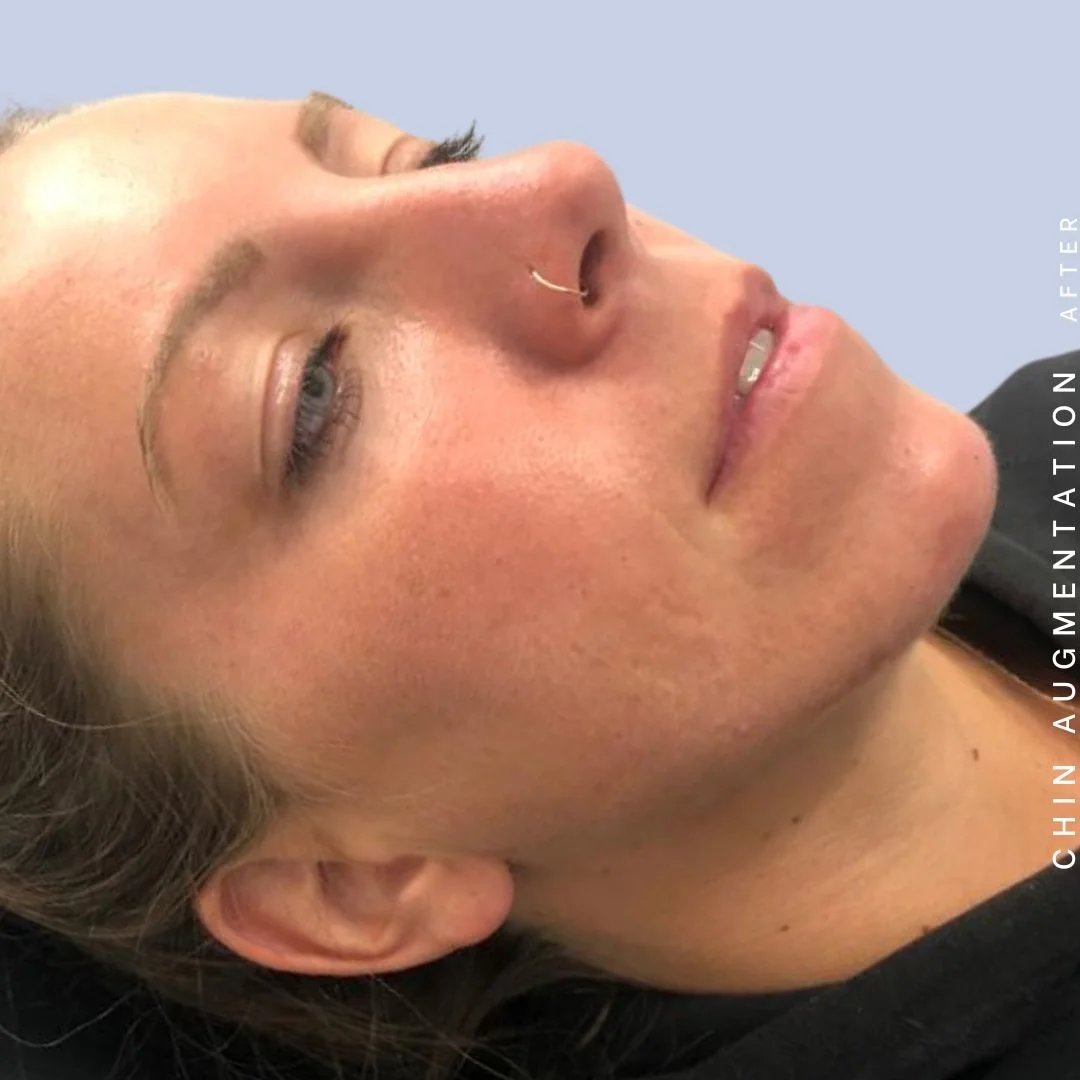

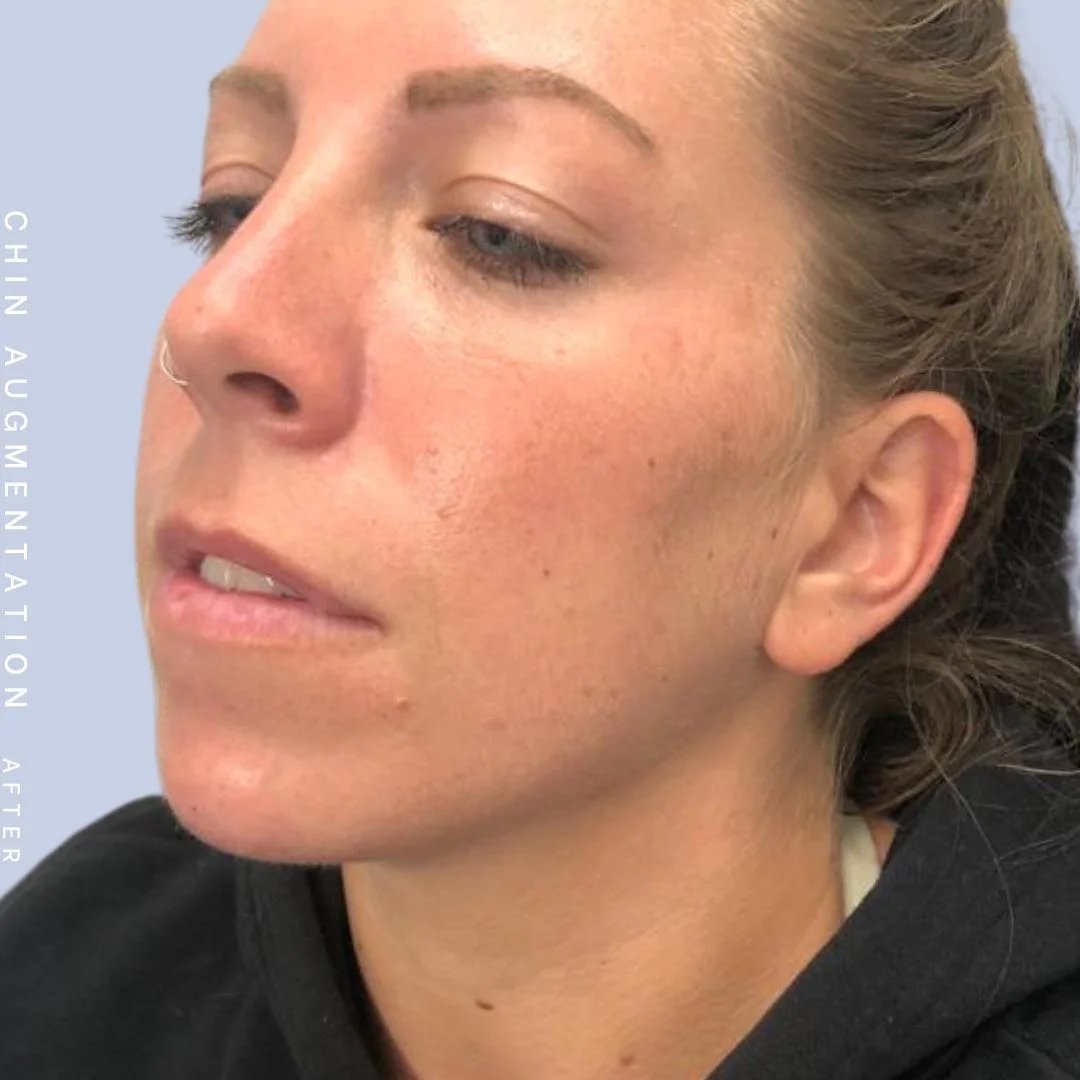
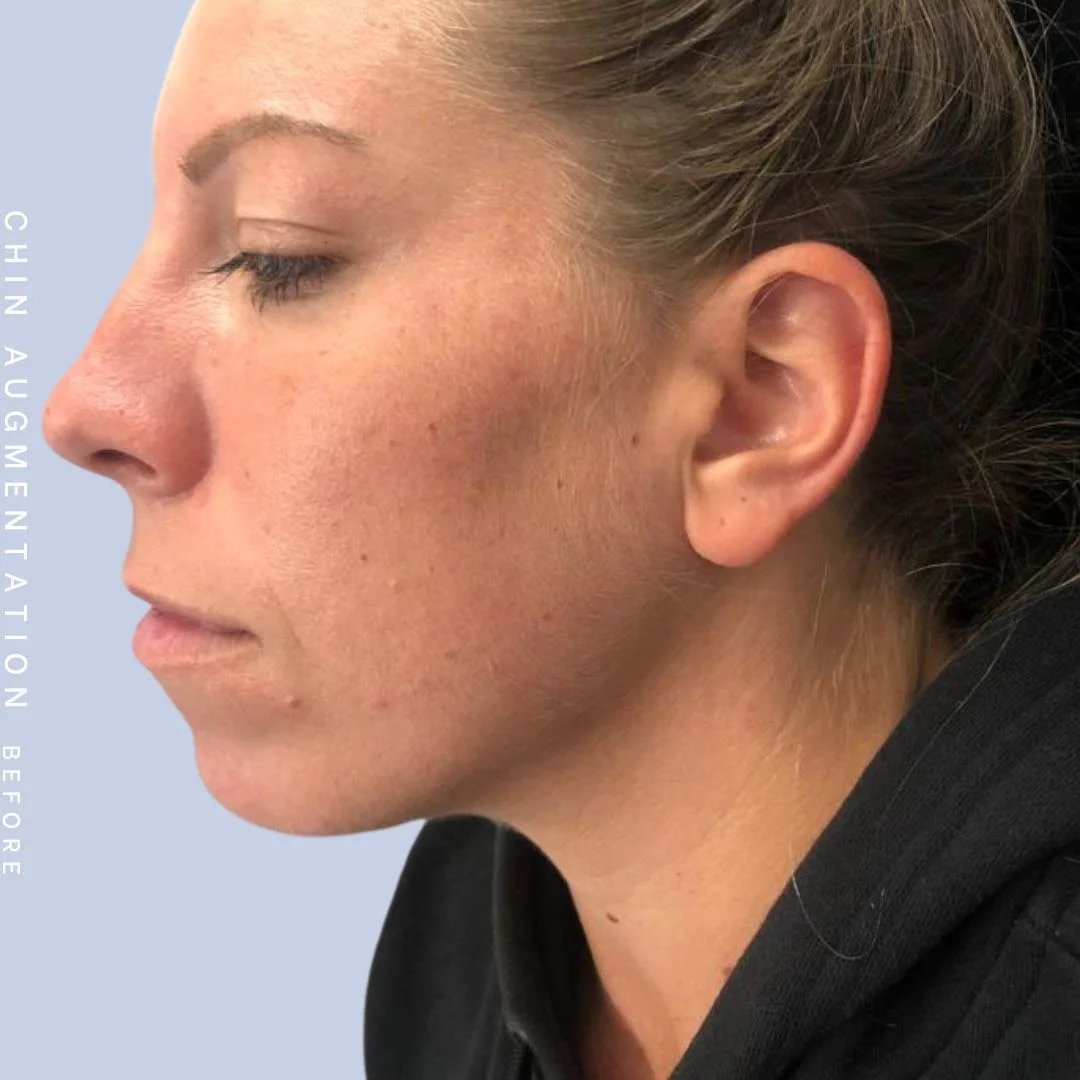

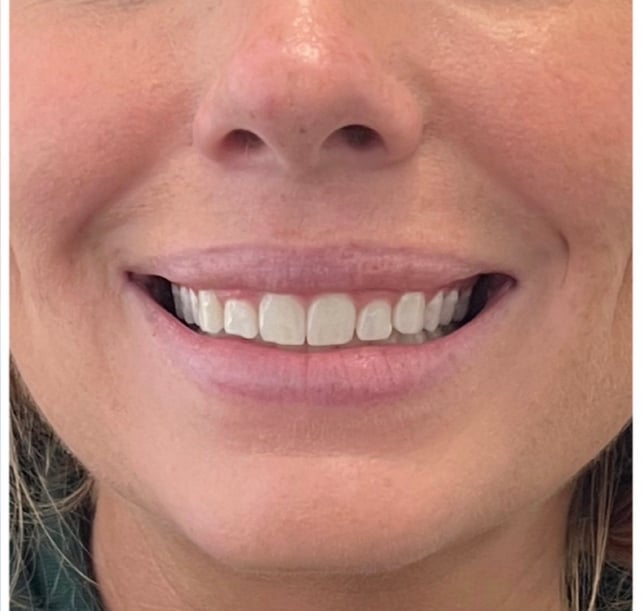
Patient 2
Procedure:
Neurotoxin used to help reduce appearance of a “gummy” smile.
Individual results may vary.
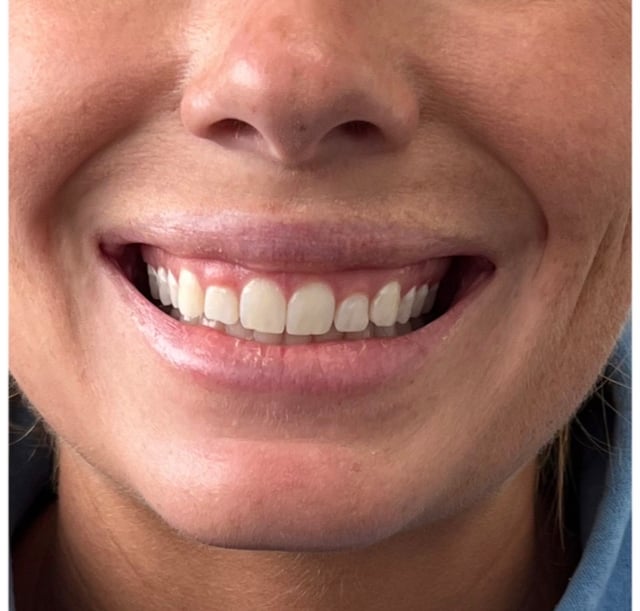
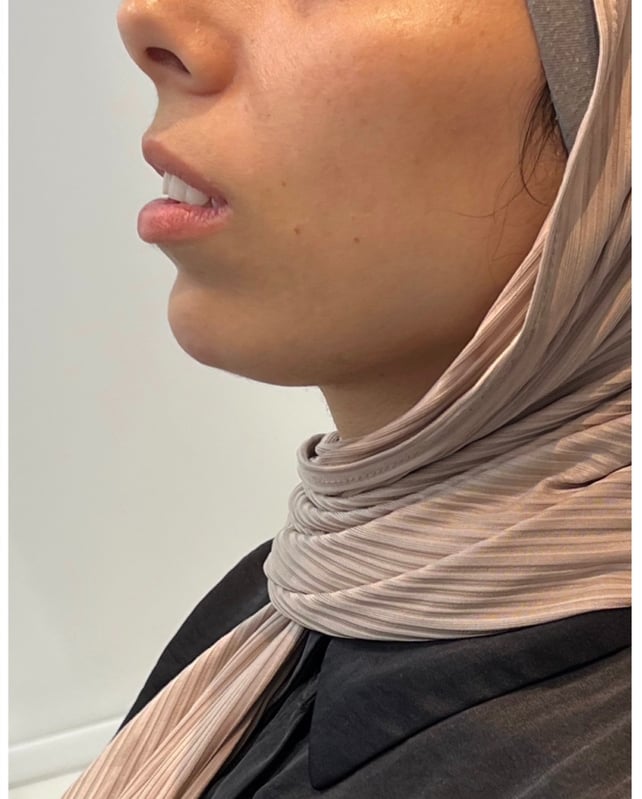
Patient 3
Procedure:
Dermal filler used to contour the chin resulting in a more balanced profile.
Individual results may vary.

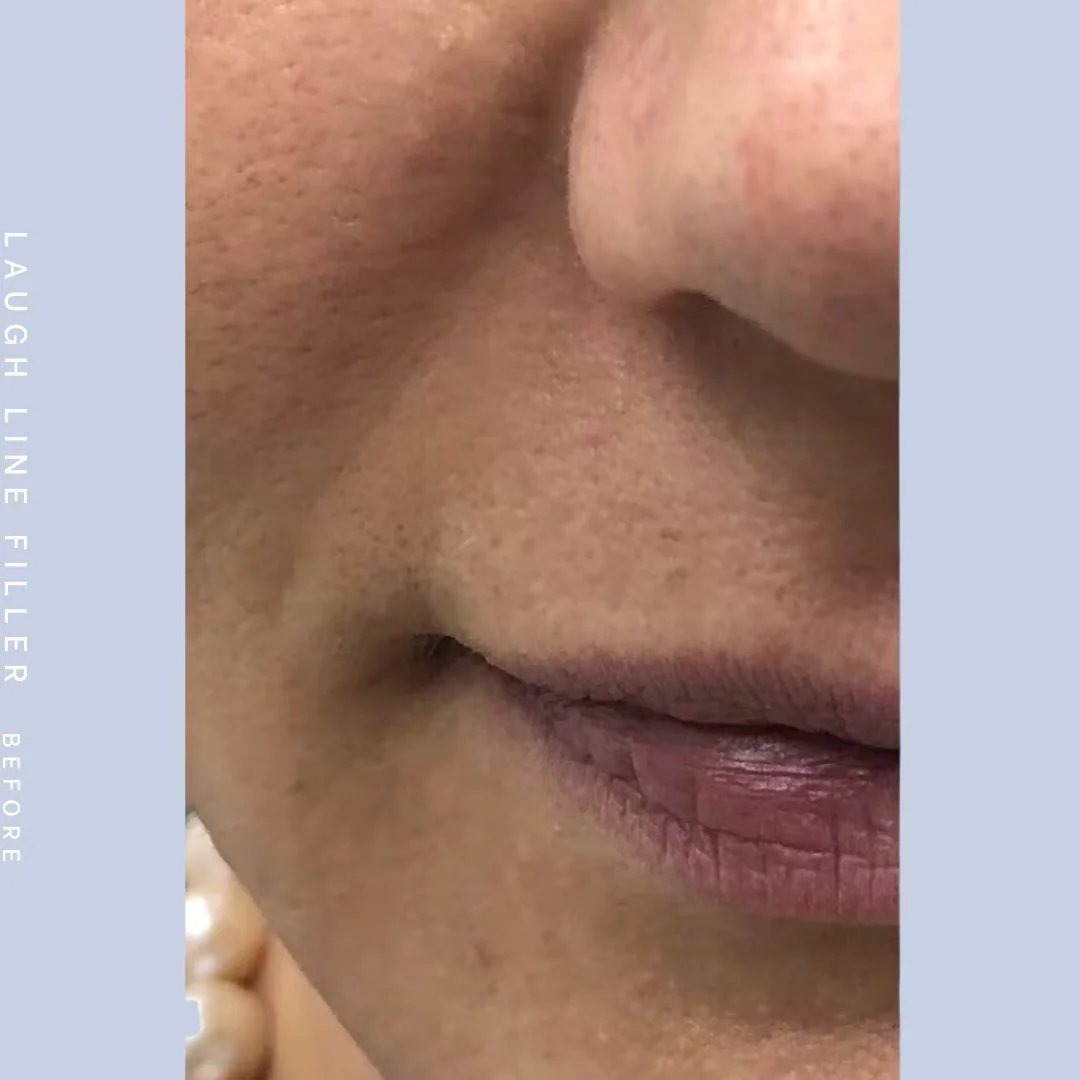
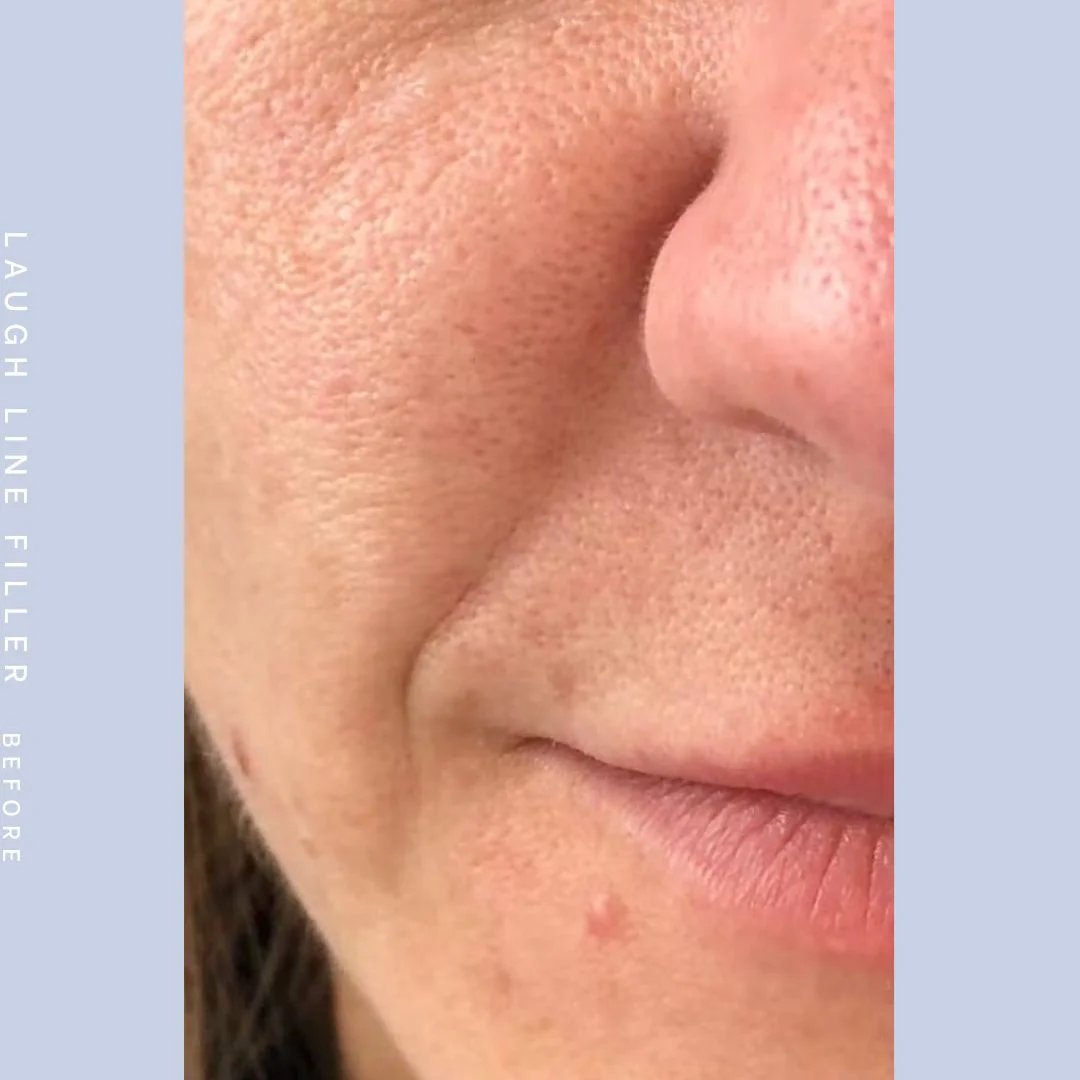
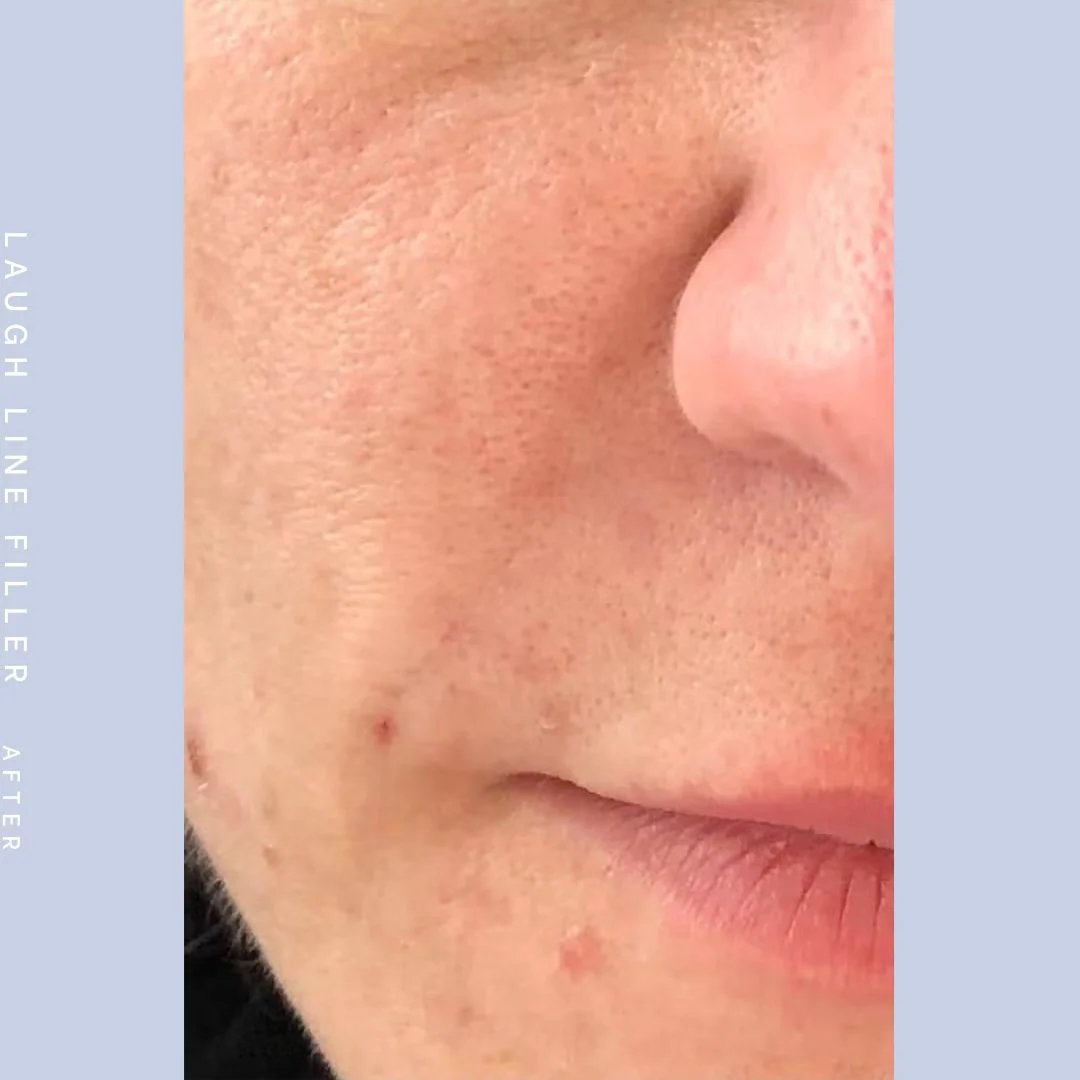
Patient 4
Procedure:
Laugh Line Filler
Individual results may vary.
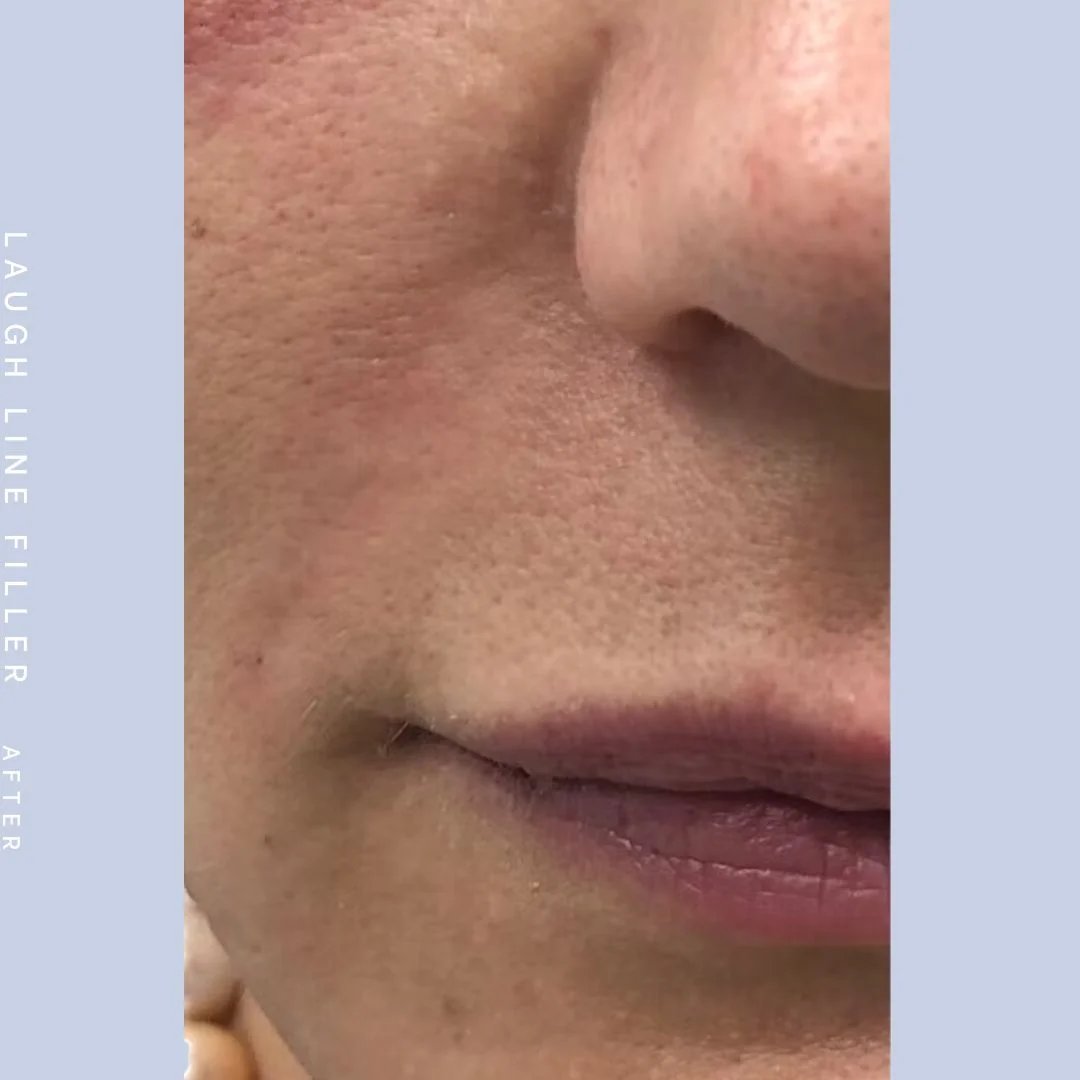
Patient 5
Procedure:
Laugh Line Filler
Individual results may vary.
The mouth area covers a few different concerns that are treated with different non-surgical approaches. Dermal filler is generally used to add or restore volume and contour, whether that's softening the nasolabial folds (laugh lines), balancing the chin and lower profile, or adding definition to the lips. Neurotoxin injections work differently: rather than adding volume, they relax the specific muscles responsible for a particular movement, which is why neurotoxin is the typical treatment for something like a "gummy smile," where an overactive muscle lifts the upper lip higher than intended when smiling, exposing more gum tissue than the patient wants visible. The two approaches are sometimes combined when a patient has both a structural and a muscular component to what they're addressing. Both treatments are temporary by design: filler typically lasts several months to a year depending on the product and treatment area, while neurotoxin effects generally last three to four months before the treated muscle gradually returns to its usual activity. Because results are temporary, non-surgical treatment in this area is often used by patients who want to test a change before considering anything more permanent, or by patients who prefer to maintain a result with periodic touch-ups rather than a single surgical change. Dr. Hardik Doshi evaluates which treatment, or combination of treatments, fits a given concern during an in-person consultation, since treating the wrong structure (adding filler where the actual issue is muscular, for example) generally doesn't produce the result a patient is looking for.
Frequently Asked Questions
What's the difference between dermal filler and neurotoxin?
Filler adds volume to soften a crease or restore contour, while neurotoxin relaxes a specific muscle to reduce an unwanted movement, such as an overactive smile muscle. They address different underlying causes, so the right choice depends on what's actually driving the concern.
How long do these treatments last?
Filler typically lasts several months to a year depending on the product used and the treatment area. Neurotoxin generally lasts three to four months before the effect gradually wears off and the muscle returns to its usual activity.
Is there downtime after filler or neurotoxin treatment?
Both are non-surgical with minimal downtime. Mild swelling, redness, or bruising at the injection site can occur and typically resolves within a few days to about a week.
Can filler and neurotoxin be combined?
Yes, when a patient's concern has both a structural and a muscular component. Which combination makes sense, and in what order, is assessed individually during a consultation.