

What is a deviated septum?
A deviated septum occurs when the thin wall separating the nasal passages is shifted to one side. This can restrict airflow and lead to breathing difficulties, chronic congestion, sinus infections, headaches, snoring, and other symptoms.
What does a septoplasty procedure correct?
A septoplasty is designed to straighten and reposition the nasal septum to improve airflow through the nose. The procedure can help relieve chronic breathing issues, sinus pressure, congestion, and other symptoms caused by a deviated septum.
Am I a good candidate for septoplasty?
You may be a good candidate for septoplasty if you experience ongoing nasal obstruction, mouth-breathing, frequent sinus infections, post-nasal drip, nosebleeds, snoring, or difficulty sleeping due to a deviated septum.
How long does septoplasty surgery take?
Most septoplasty procedures take approximately one to two hours to complete, depending on the complexity of the correction being performed.
Is septoplasty performed under anesthesia?
Yes. Septoplasty is typically performed under general anesthesia to ensure your comfort throughout the procedure.
Will septoplasty change the appearance of my nose?
A standard septoplasty focuses on improving nasal function and breathing rather than changing appearance. However, if cosmetic changes are also desired, septoplasty can sometimes be combined with rhinoplasty.
Are there visible scars after septoplasty?
Incisions used during septoplasty are generally placed inside the nose or in discreet areas, making visible scarring minimal or unnoticeable once healing is complete.
How long is recovery after septoplasty?
Most patients can return to light daily activities within several days, though swelling and congestion may persist temporarily. Strenuous exercise, heavy lifting, and contact activities should generally be avoided for about four weeks.
Will I have nasal packing or splints after surgery?
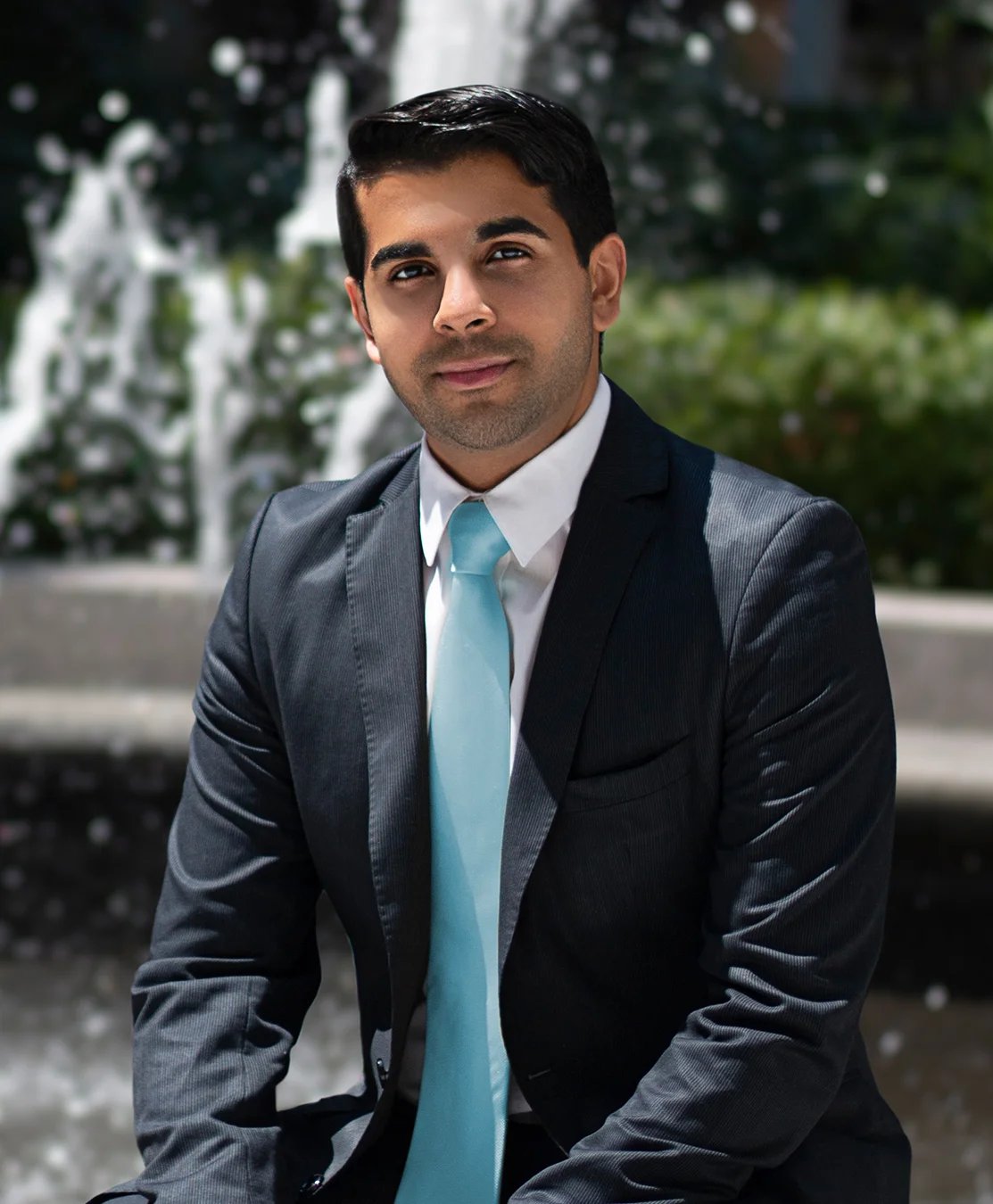
Some patients may require temporary splints or soft internal supports to help maintain proper healing and positioning of the septum. Dr. Doshi will provide detailed aftercare instructions based on your procedure.
When will I notice improved breathing after septoplasty?
Many patients begin noticing improved breathing within a few weeks as swelling subsides, though full healing and final results can continue developing over several months.
Can septoplasty help with snoring or sleep issues?
If your snoring or sleep disturbances are related to restricted airflow from a deviated septum, septoplasty may help improve breathing during sleep and reduce related symptoms.
Can a deviated septum come back after surgery?
Septoplasty results are generally long-lasting. However, future nasal trauma or injury could potentially affect the nasal structure again.
Can septoplasty be combined with other procedures?
Yes. Septoplasty is often combined with procedures such as rhinoplasty, turbinate reduction, or sinus surgery depending on the patient's needs and goals.
How do I schedule a septoplasty consultation with Dr. Doshi?
You can schedule a consultation with Dr. Doshi by contacting Doshi Plastic Surgery to discuss your symptoms, treatment options, and personalized surgical plan.
