Buccal Fat
- Buccal Fat
Patient 1
Procedure:
Buccal Fat Removal
Individual results may vary.


Patient 2
Procedure:
Buccal Fat Removal
Individual results may vary.
Patient 3
Procedure:
Buccal Fat Removal
Individual results may vary.
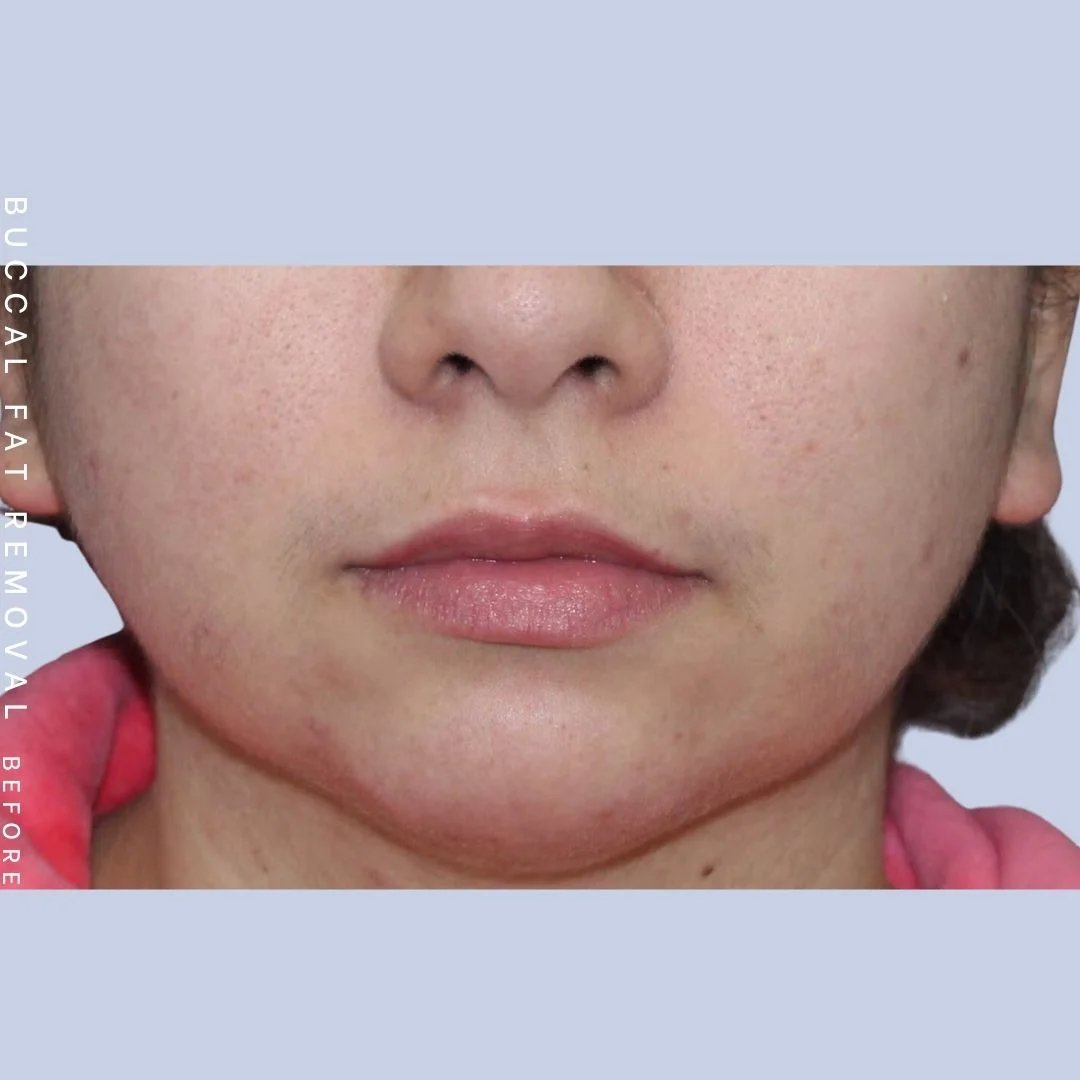
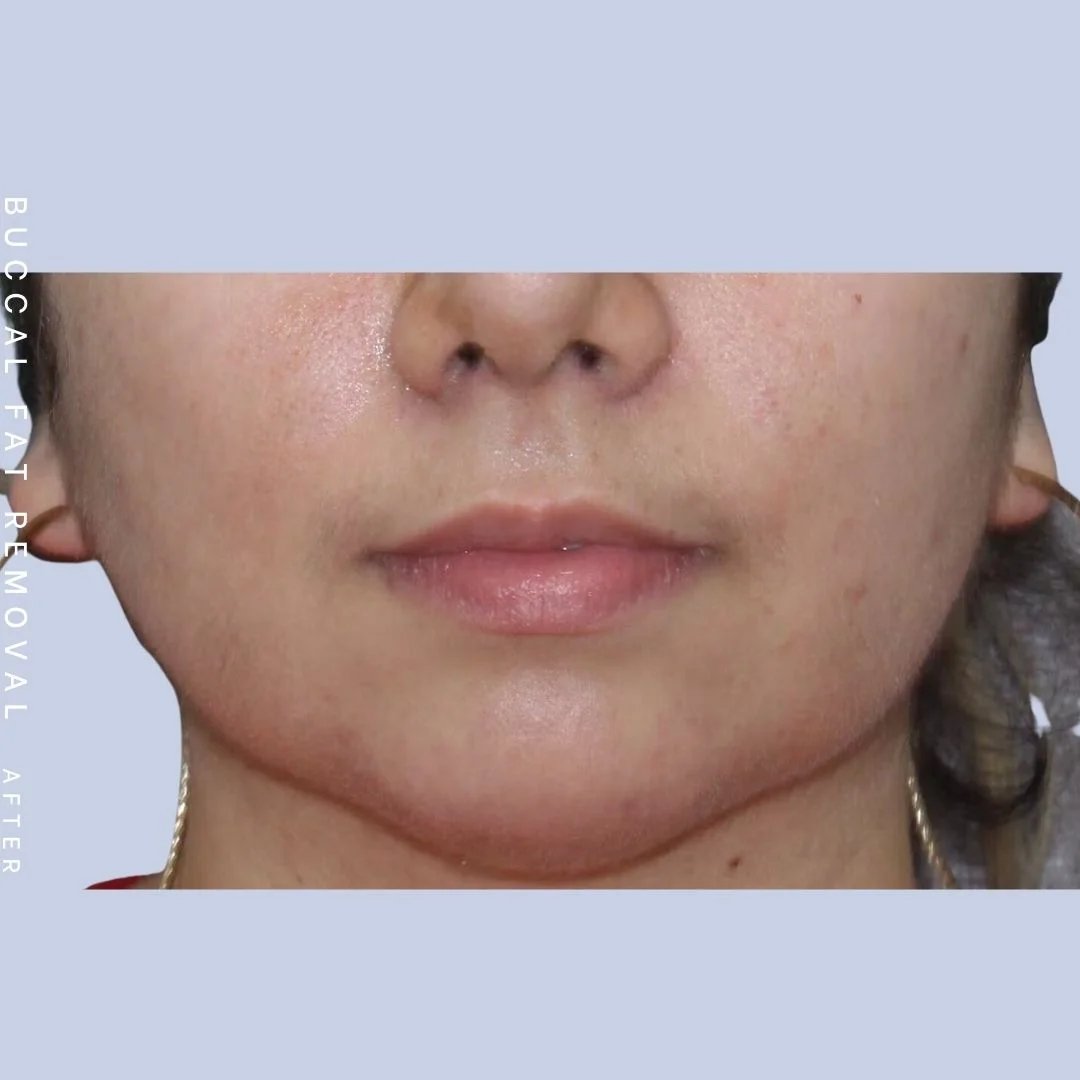
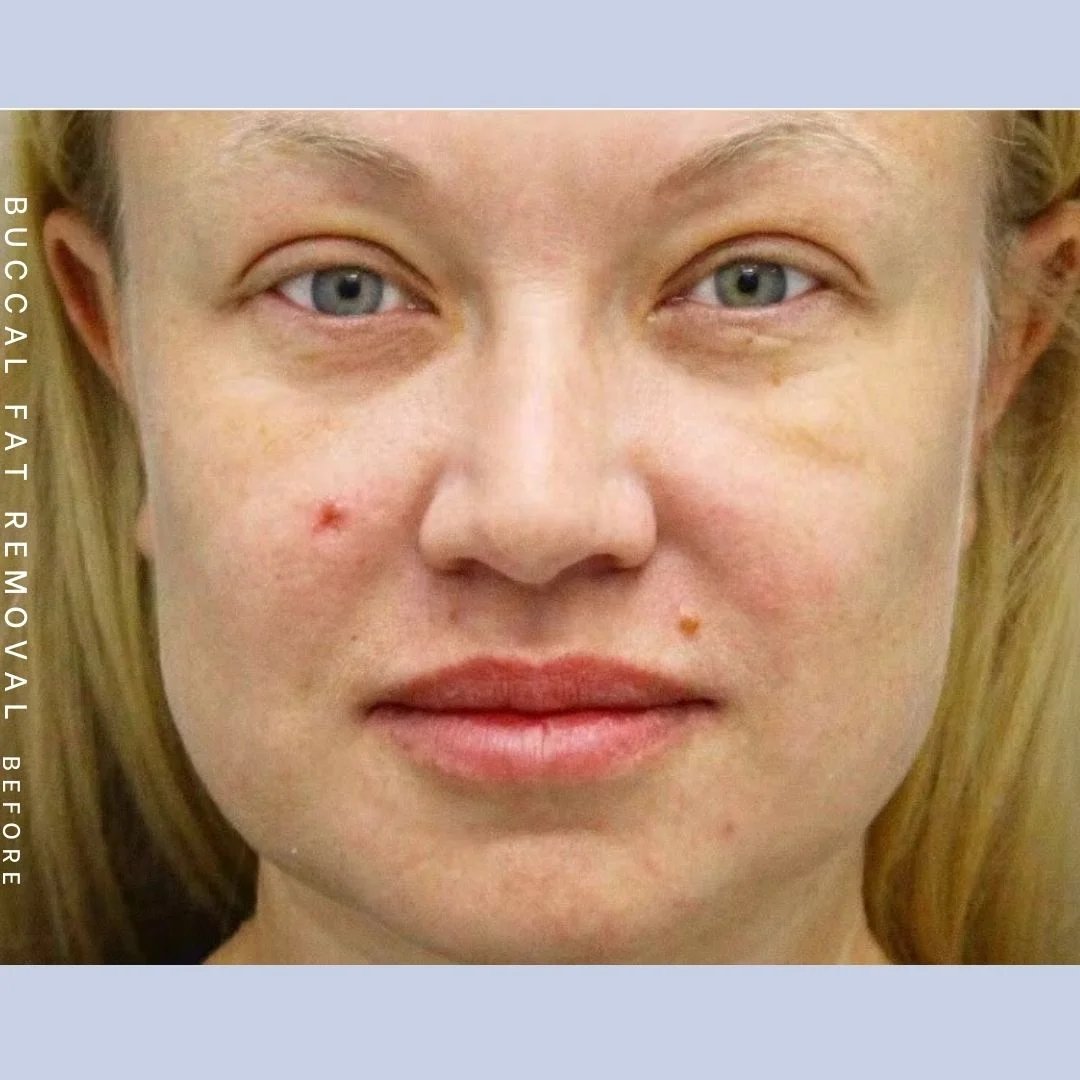
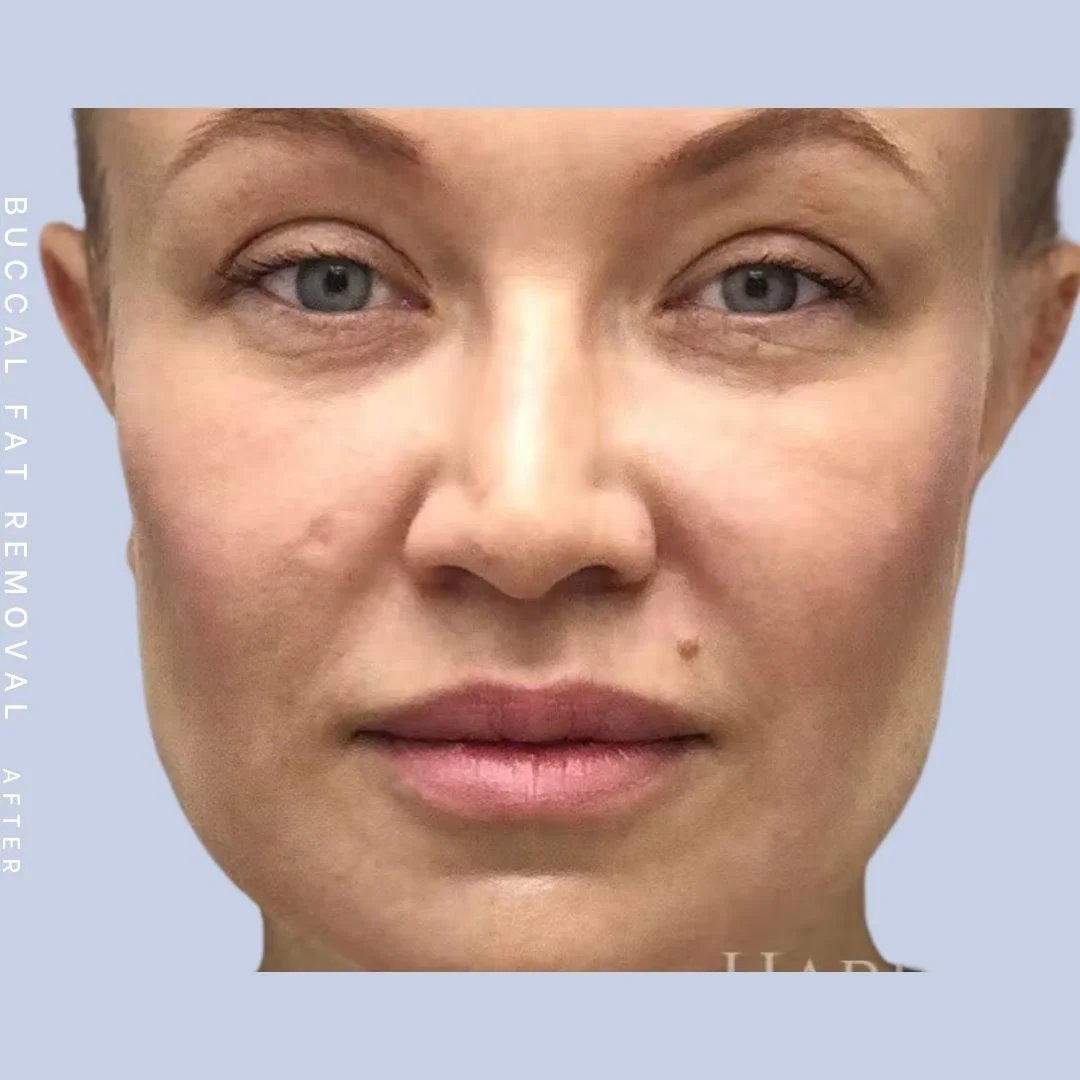
Buccal fat removal addresses the fat pads located in the lower cheek, between the cheekbone and the jawline, and is typically sought by patients whose round or full-cheeked appearance doesn't change much with weight loss, since buccal fat doesn't respond to diet and exercise the way fat elsewhere in the body does. Removing a portion of this fat creates a more defined, contoured lower face and can make the cheekbones appear more prominent by removing the fullness beneath them, though the degree of change depends heavily on a patient's existing bone structure and how much buccal fat they have to begin with. It's a procedure that tends to look more dramatic on some face shapes than others, which is one reason it's evaluated individually rather than recommended as a default. Because the fat pads are finite, there's also a practical ceiling on how much can safely be removed. Over-removal can lead to a gaunt or hollowed appearance later in life as natural facial fat diminishes further with age, which is part of why a conservative, individualized approach to volume removed tends to age better than an aggressive one. Swelling after the procedure is most noticeable in the first week or two and settles gradually over the following month as the final cheek contour becomes visible. Patients are typically good candidates when they have naturally fuller cheeks and stable facial fat distribution, and less ideal candidates when significant facial thinning is a concern for the future. Each of the cases below reflects a different starting cheek shape and a different degree of fat removed, planned around that patient's individual face. More on how candidacy and volume planning work is on the buccal fat removal section.