Before & After
Hair Transplant in NYC and Long Island
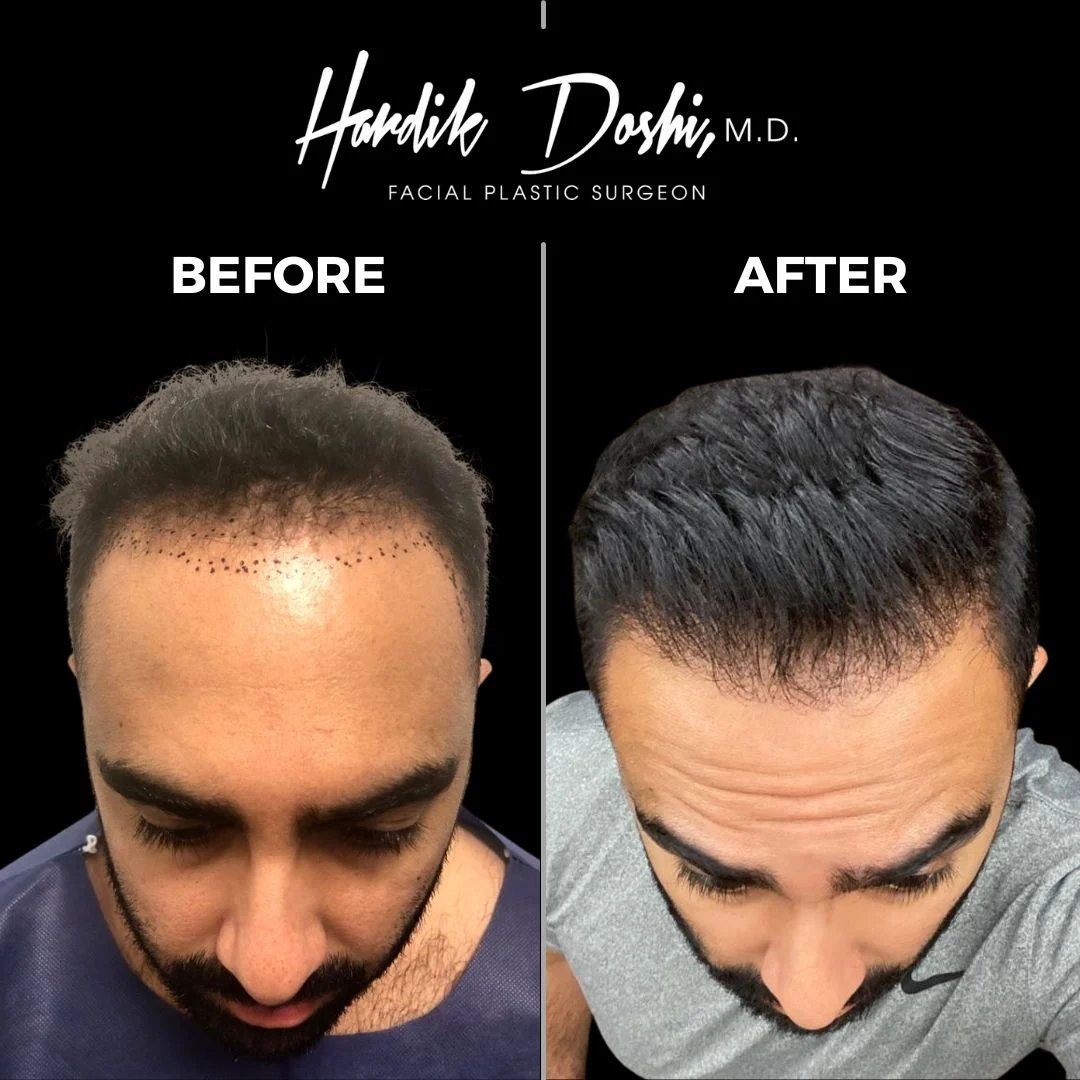
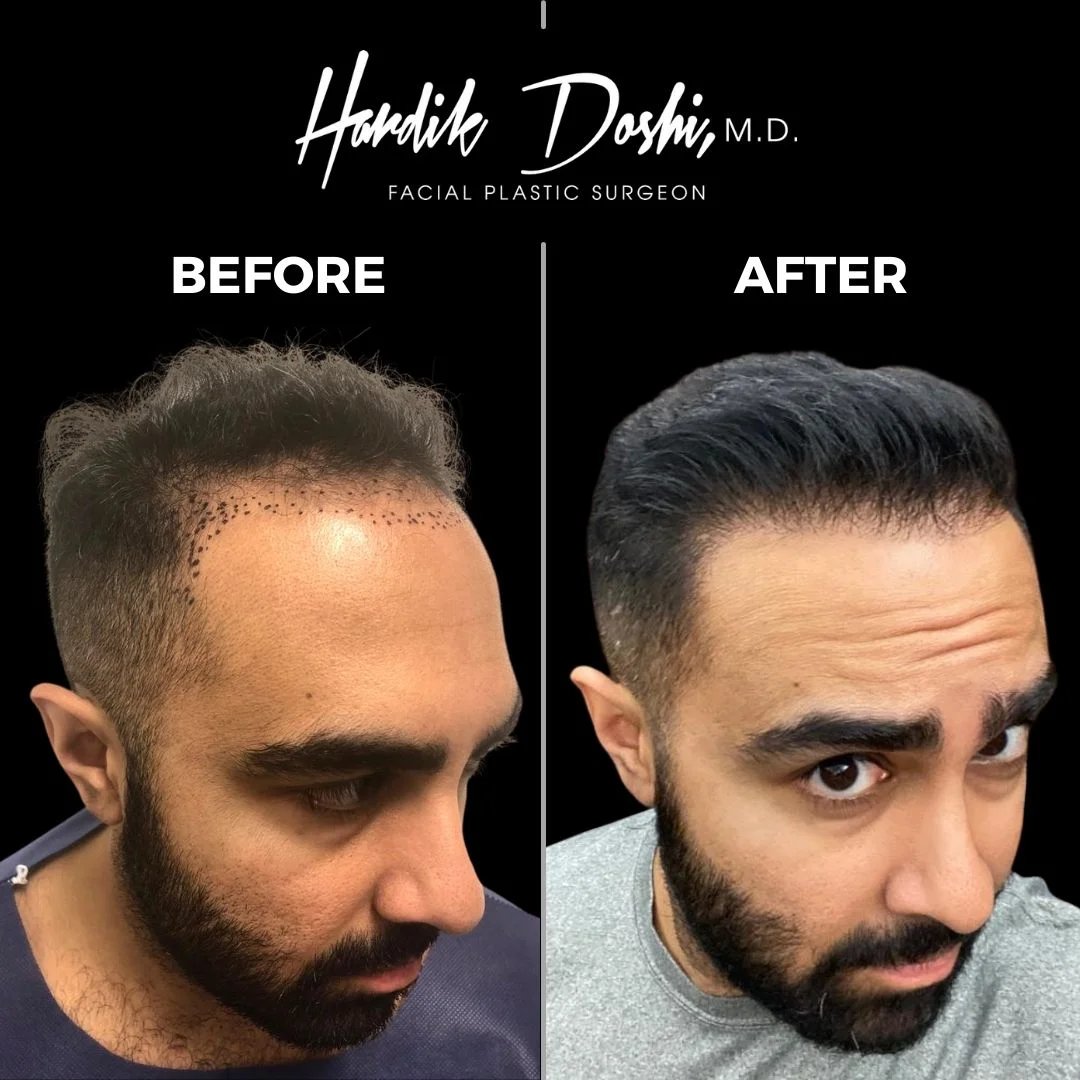
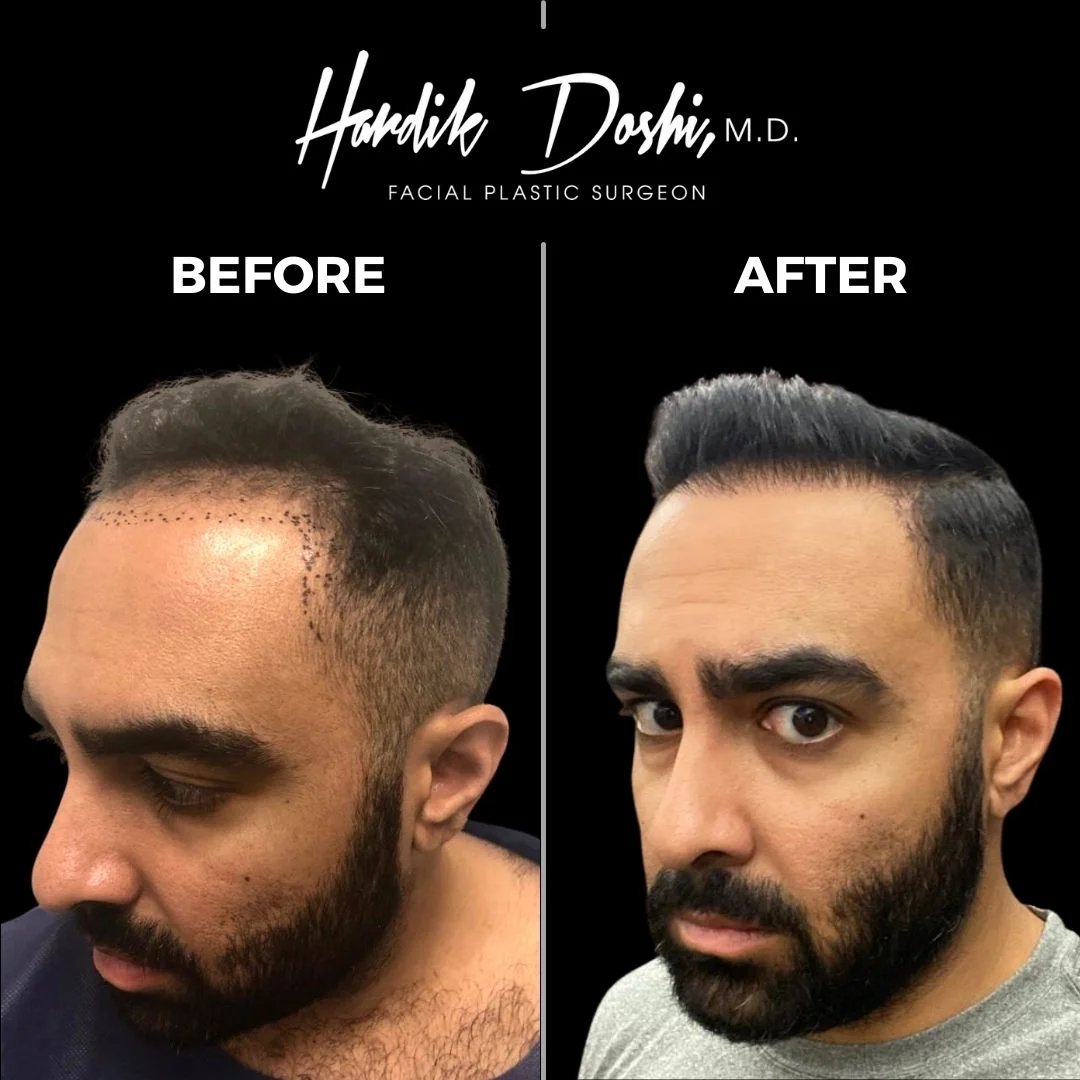
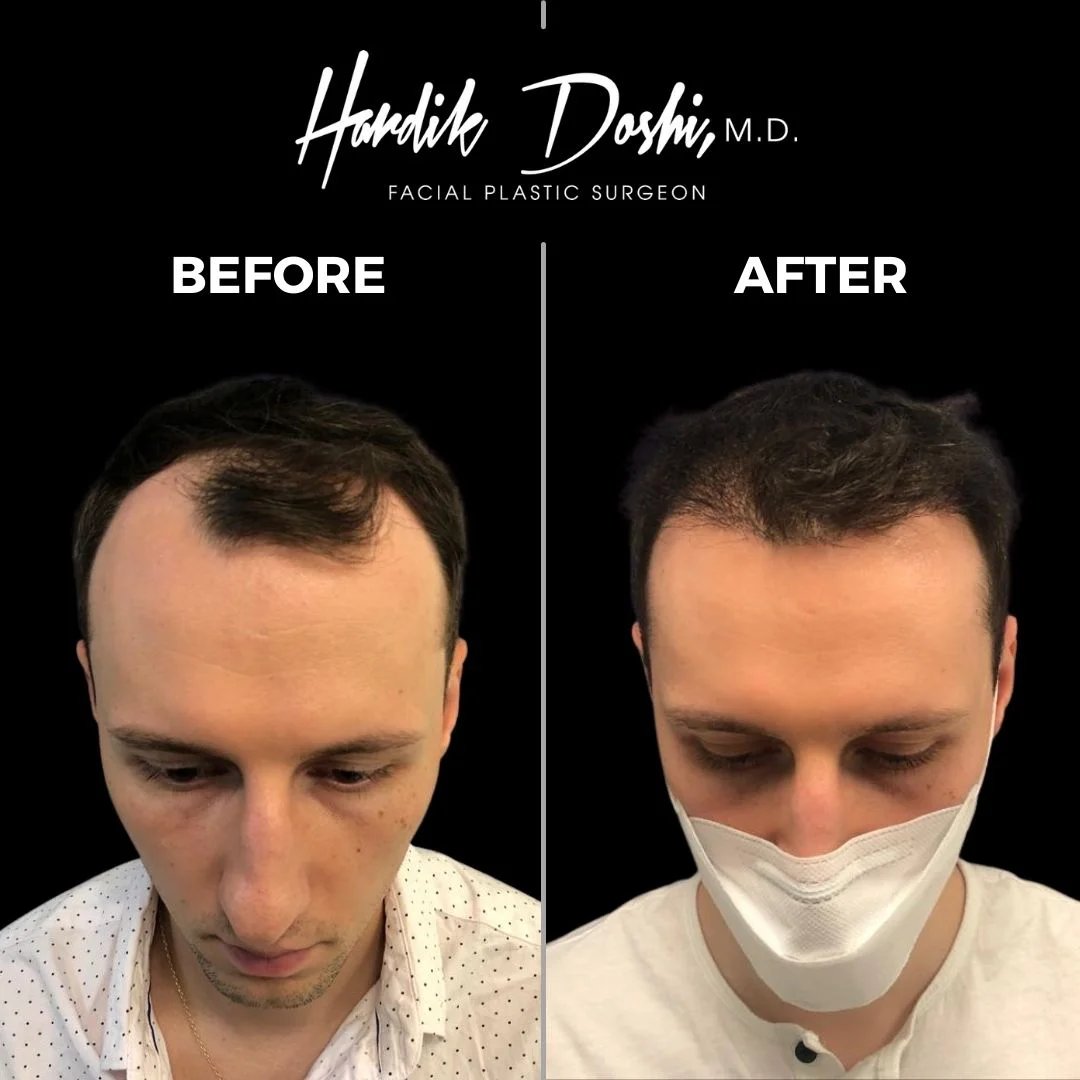
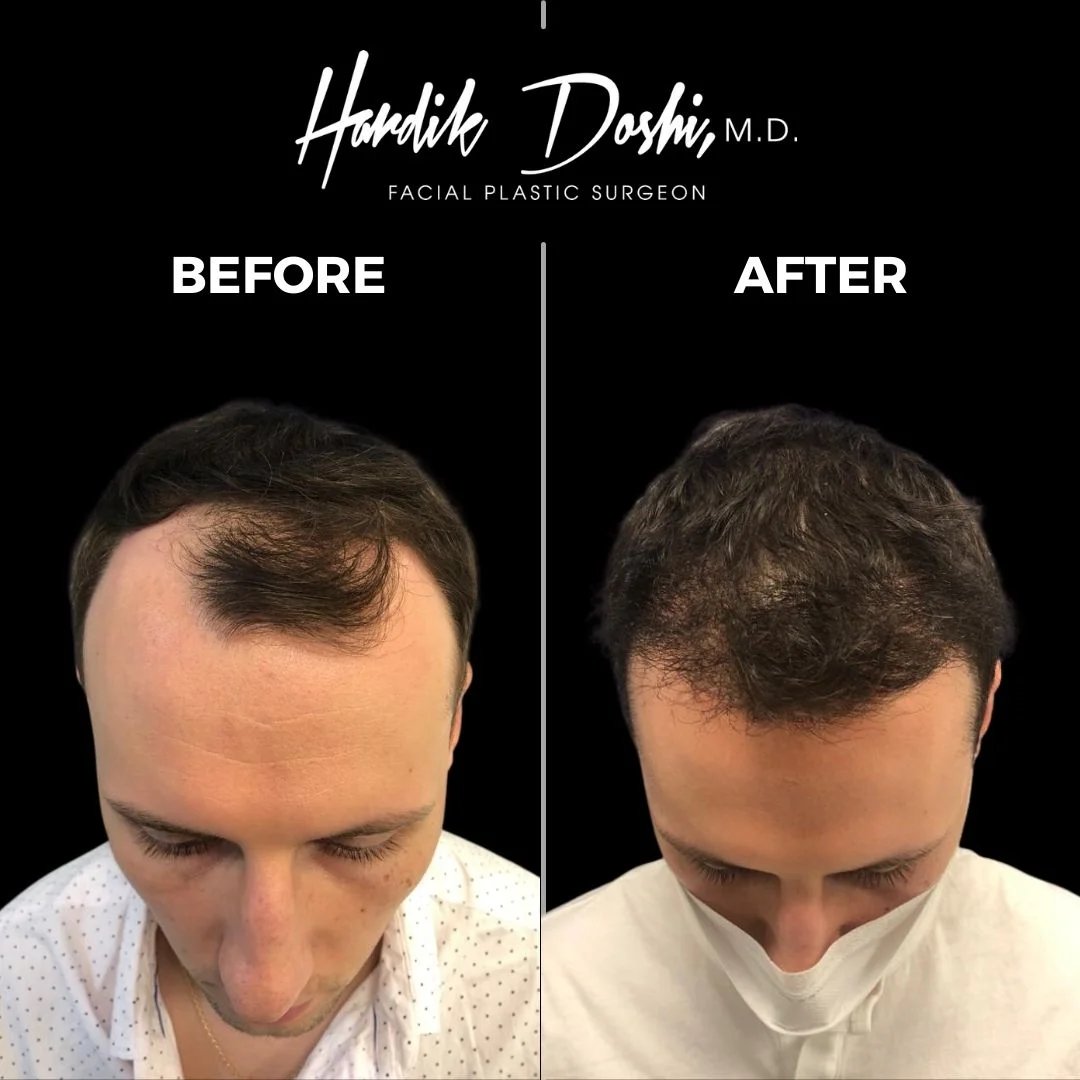
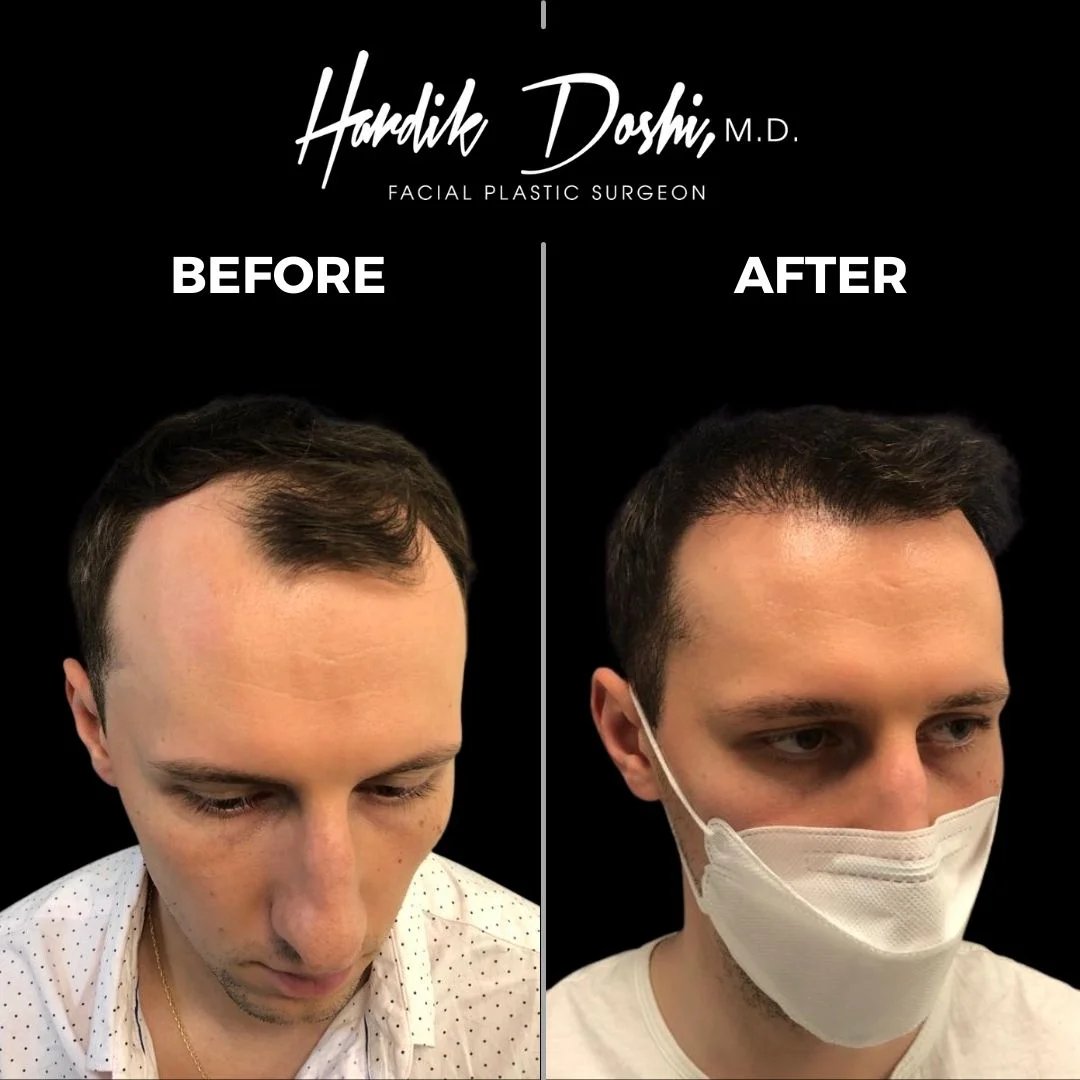
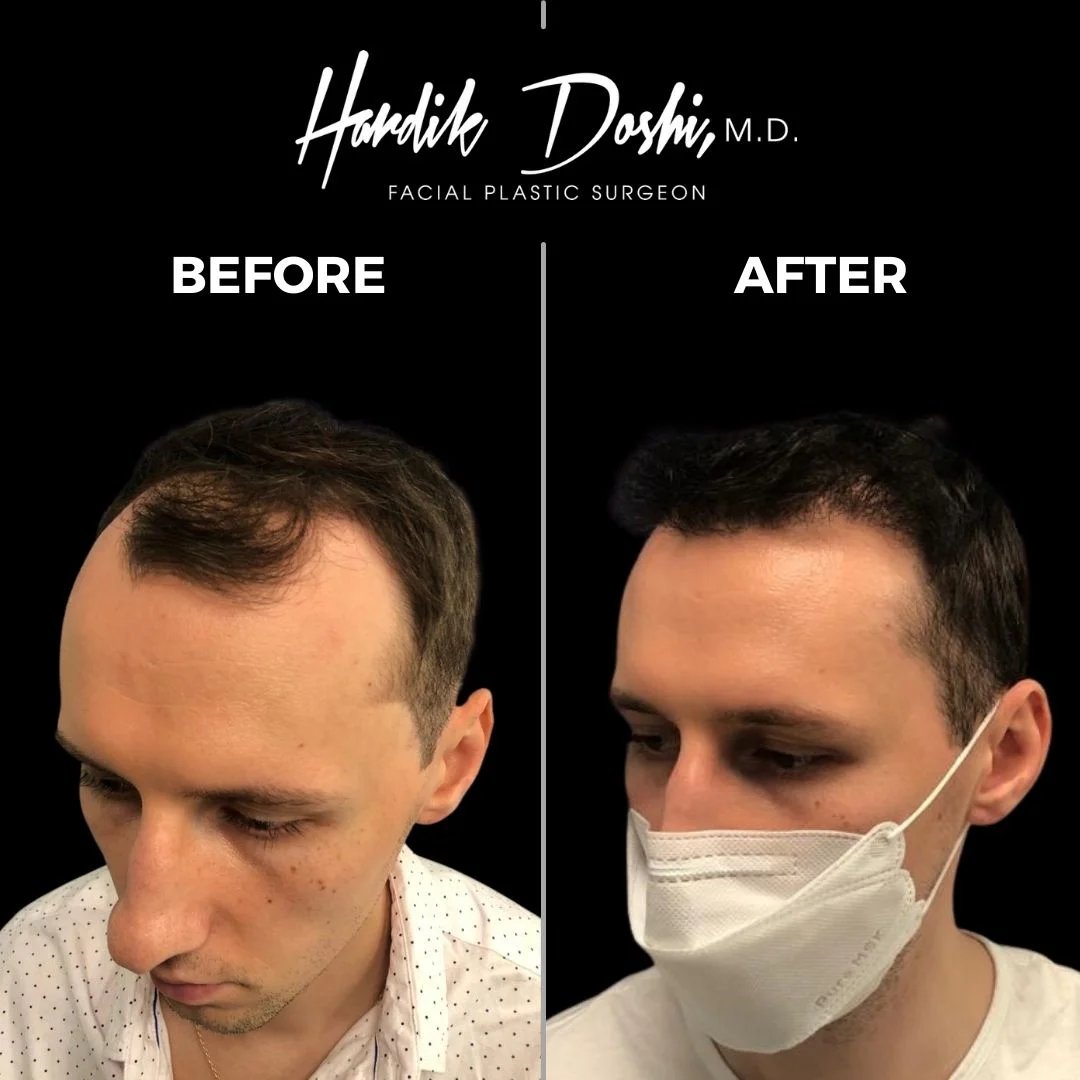
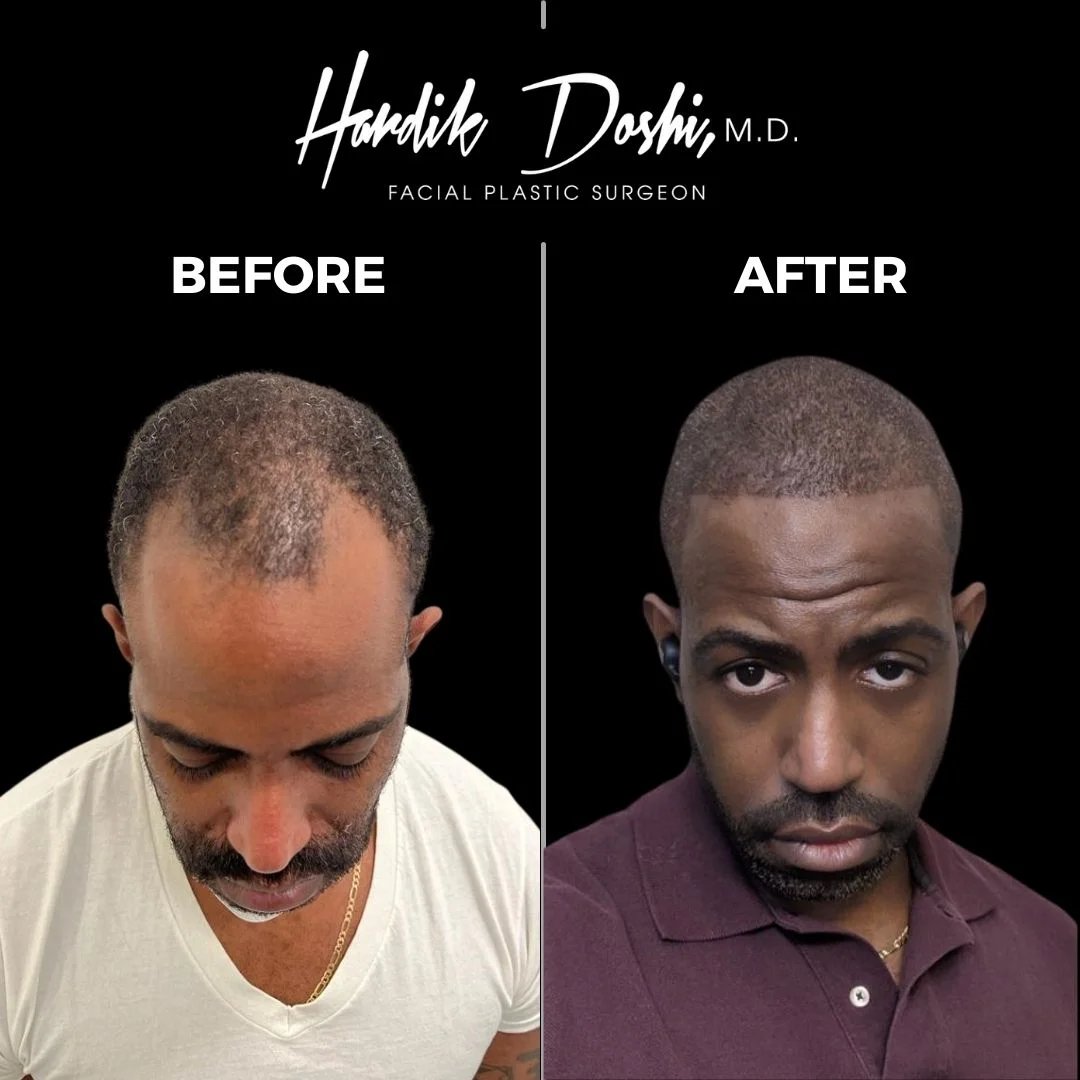
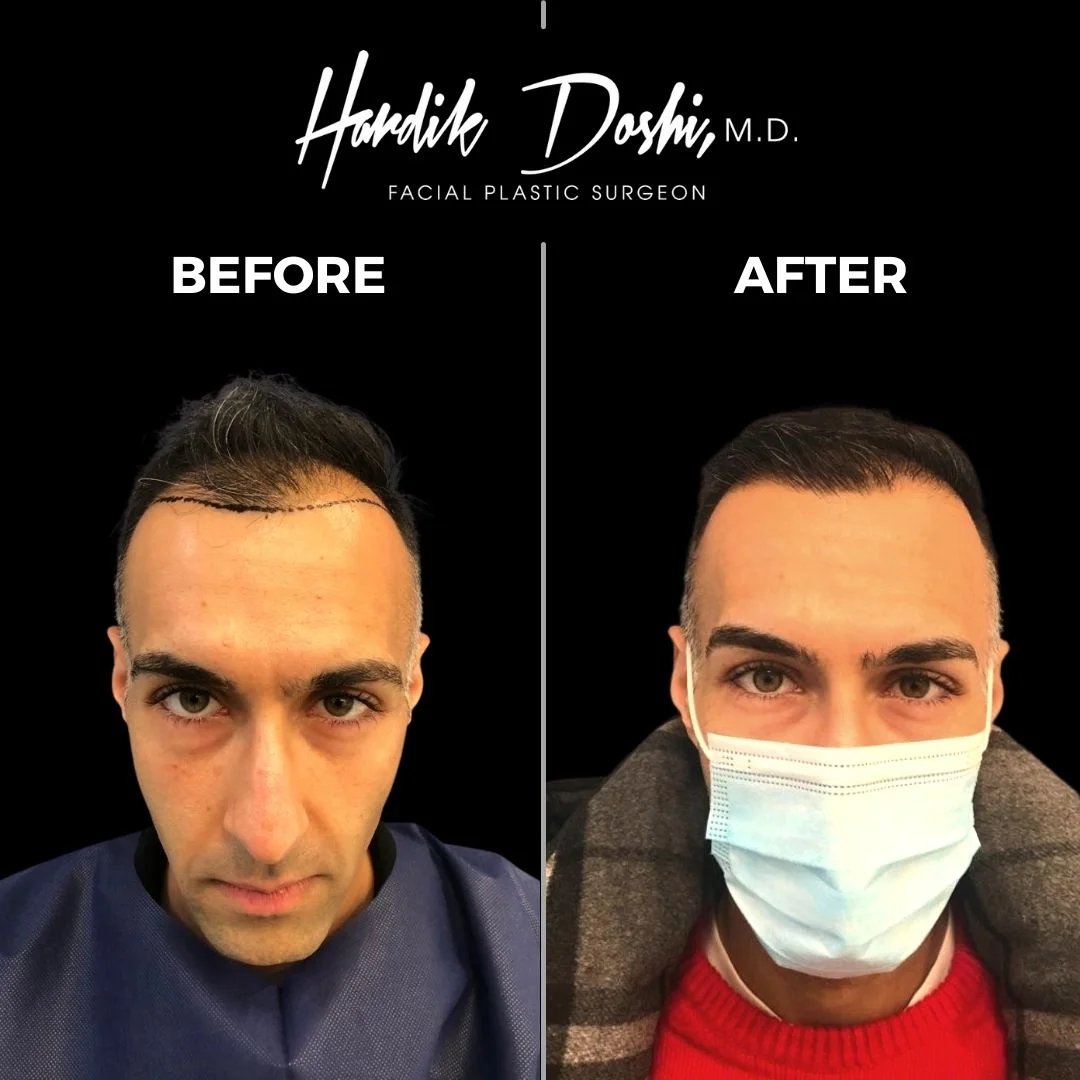
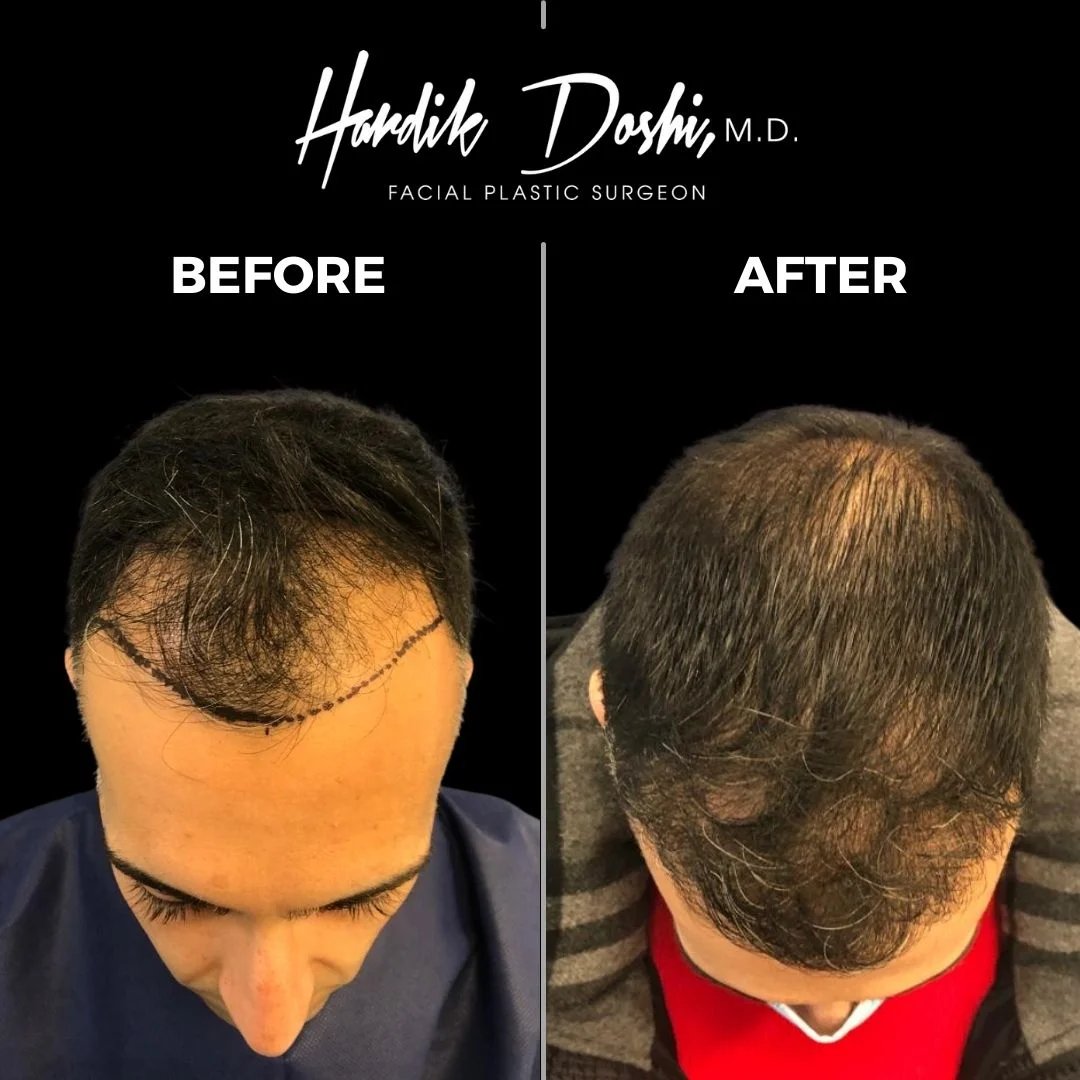
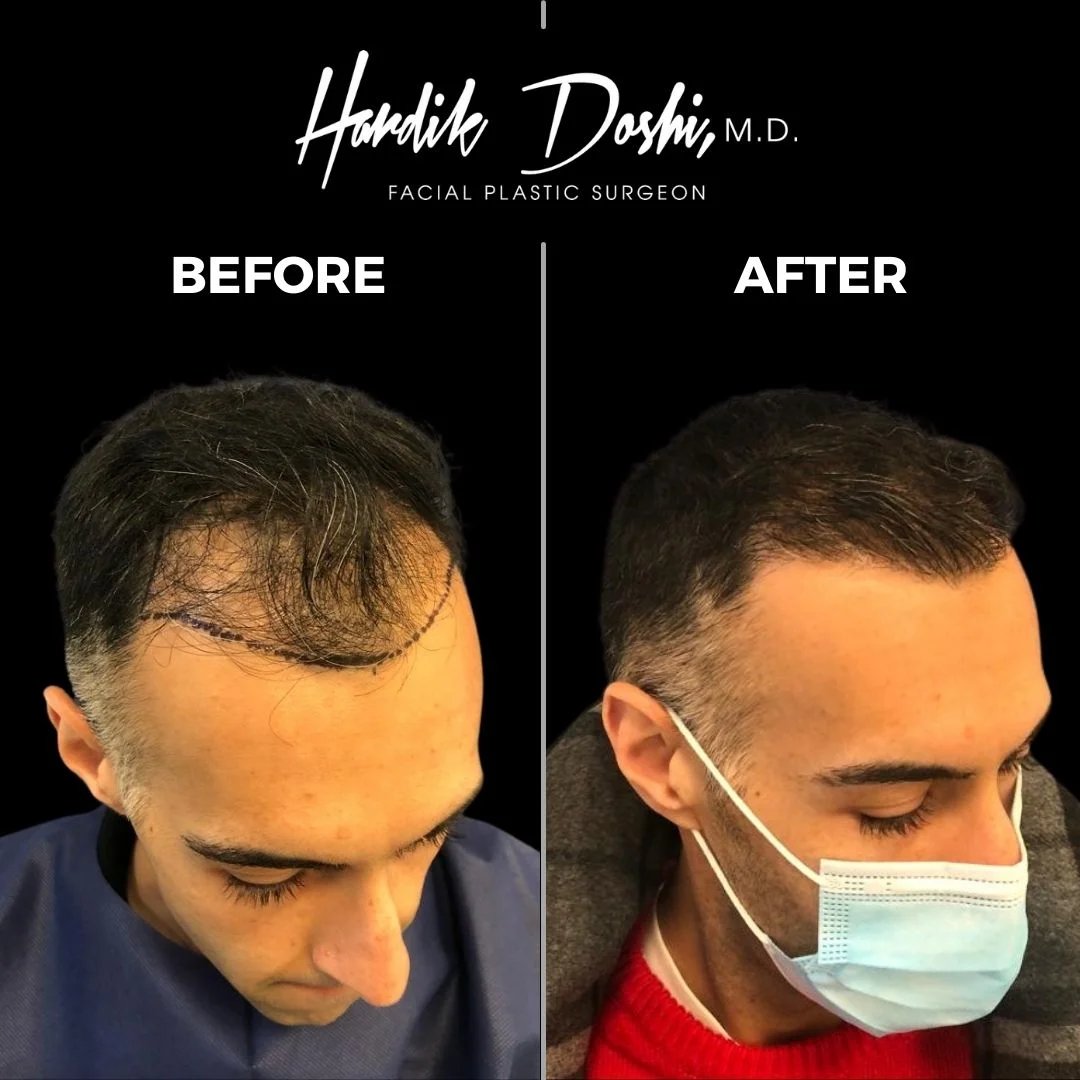
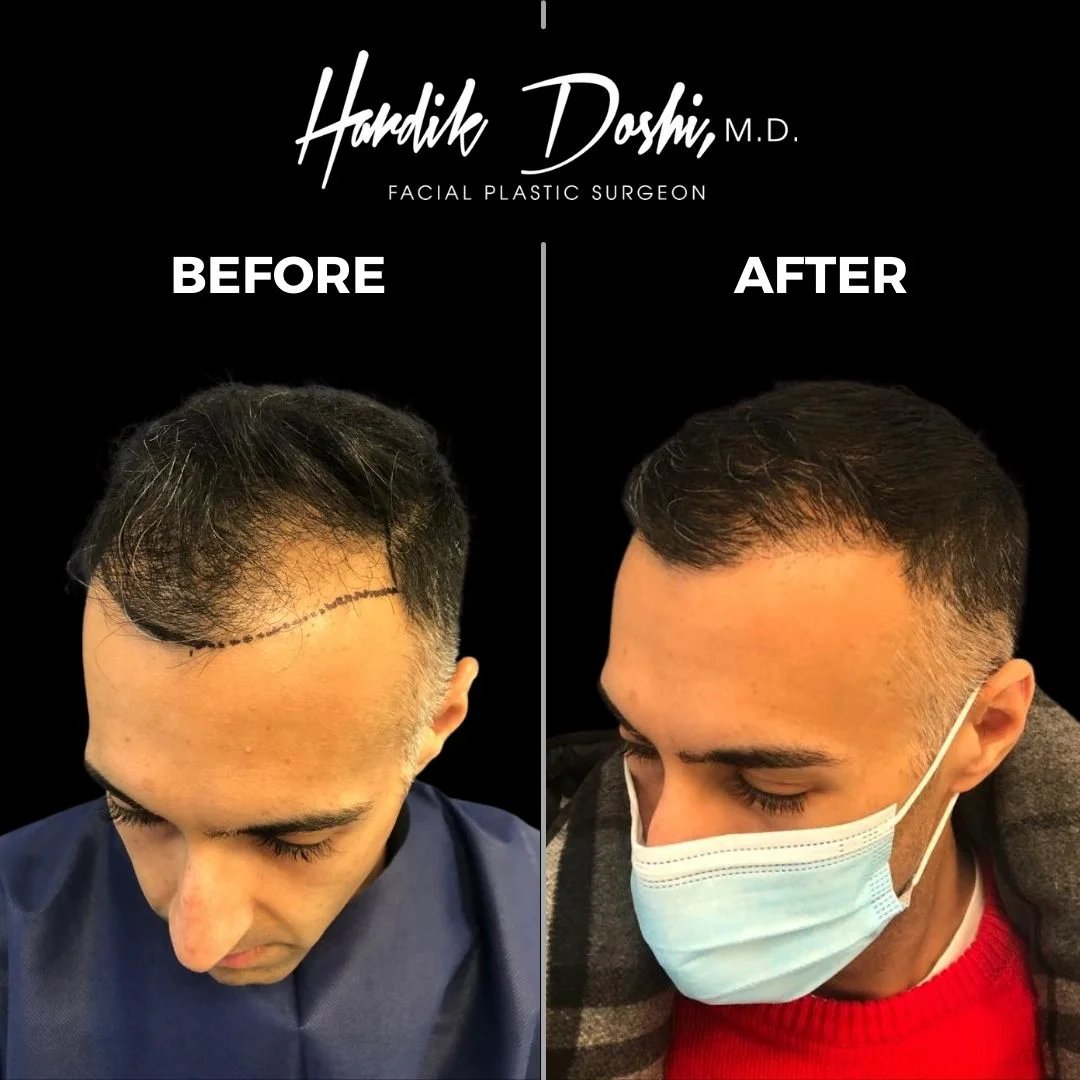
NYC and Long Island Locations
MenuNYC and Long Island Locations

Hair loss can affect both men and women, leading to thinning hair or an altered hairline that may impact confidence and self-esteem. If you’ve been struggling with these changes and feeling self-conscious, it may be time to explore hair restoration options. Dr. Doshi offers expert hair transplant consultations, where you can learn about personalized treatments designed to restore your hair and rejuvenate your appearance.
Whether your hair loss is due to aging, hormonal shifts, genetics, or even an injury, Dr. Doshi is here to help you regain your confidence with a customized hair transplant in NYC and Long Island. Reach out today to schedule your consultation and take the first step towards bringing back your full, youthful head of hair.


If you’ve been experiencing hair loss, you’re a great candidate to receive the best hair transplant in NYC and Long Island by Dr. Doshi. Hair loss can come for us all, so there’s no limit when it comes to age or gender, as far as a hair transplant procedure is concerned.
You will, however, need to have a good amount of hair available on the sides and back of your head, as these are typically the areas from which we’ll transplant the hair. These donor areas will need to offer adequate growth. Dr. Doshi, a double board-certified facial plastic surgeon, will work closely with you to help you determine whether or not hair transplant surgery is right for you.
Dr. Doshi is great! He always makes me feel comfortable and at ease when I’m doubting how far I’ve come on my hair rejuvenation journey. I recommend him for any...
Awesome doctor and amazing team with Andy, Crosby and Madelena. I would recommend Dr Doshi and team to everyone for hair restoration solutions.
Went to Dr. Doshi for a hair transplant and after meeting him immediately felt relieved that I went in to see him - right away he showed me what I could expect ...
Dr. Doshi is great! He always makes me feel comfortable and at ease when I’m doubting how far I’ve come on my hair rejuvenation journey. I recommend him for any...
Awesome doctor and amazing team with Andy, Crosby and Madelena. I would recommend Dr Doshi and team to everyone for hair restoration solutions.
Went to Dr. Doshi for a hair transplant and after meeting him immediately felt relieved that I went in to see him - right away he showed me what I could expect ...
Dr. Doshi is great! He always makes me feel comfortable and at ease when I’m doubting how far I’ve come on my hair rejuvenation journey. I recommend him for any...
Awesome doctor and amazing team with Andy, Crosby and Madelena. I would recommend Dr Doshi and team to everyone for hair restoration solutions.
Went to Dr. Doshi for a hair transplant and after meeting him immediately felt relieved that I went in to see him - right away he showed me what I could expect ...
There are many factors contributing to hair loss, including poor genes, aging, disease and injury, and environmental stressors. Many men suffer from male pattern baldness (MPB), which originates in hormonal changes brought about by aging. The hormone DHT shrinks the hair follicles, halting the growth of new hairs. Women’s hair loss can also be caused by hormonal changes, but often manifests more as thinning than balding. Dr. Doshi will examine your scalp during your private consultation and will delve into the root causes of your hair loss at that time.
To Dr. Doshi, who has offices in Long Island, hair transplants are personalized procedures, so each person’s treatment will take a different amount of time, depending on the number of grafts they require to achieve their desired cosmetic results. Most sessions take 4-7 hours, depending on the method used. Obtaining 1500-3000 hair grafts may take an entire day at an outpatient location. If you undergo a graft of 500 hairs, you will be finished within just a few hours.
There are actually a variety of different hair transplant procedures Dr. Doshi can use in his offices. The procedure chosen will depend on your specific body type, the size of the treatment area, and the severity of the hair loss Dr. Doshi will be treating.
Also known as “follicular unit extraction,” the FUE transplant procedure involves the harvesting of hair follicles from one part of the scalp before transplanting them to the area that is experiencing hair loss. A new hairline will be created as each new follicle is transplanted to the new area.
Also known as “follicular unit transplantation,” the FUT transplant procedure is slightly different from the FUE transplant procedure. In an FUT transplant procedure, a much larger number of follicles are removed and transplanted at one. This procedure is generally utilized when a larger area is being treated at once.
The robotic transplant procedure utilizes the follicular unit extraction (or FUE) method, but involves a robotic unit that brings an extra degree of precision to to the table. Image-guided robotic alignment means you get a much more precise hairline, without the need for any linear scarring.
If you’re experiencing any thinning or hair loss on other parts of the face — such as the eyebrows or beard — Dr. Doshi can utilize hair transplant procedures to restore these areas to their former fullness.
Essentially a tattoo procedure that is applied directly to the scalp, micropigmentation gives the appearance of closely-trimmed hair follicles. This is a great way to enhance a hair transplant procedure, or it can even act as a hair transplant alternative, as well.


Most patients experience a relatively mild amount of tenderness and pain in their scalp area after their treatment, which fades within the first several days. Of course, the specifics of your procedure will dictate your exact recovery process, and Dr. Doshi will work closely with you to ensure that you know what to expect as you recover.
How natural will my hair look after treatment?
What are the limitations after my procedure?
When can I expect my new hair to start growing in?
What is the difference between FUE and FUT, and how does Dr. Doshi decide which to use?
How many grafts will I need?
Is a hair transplant permanent?
Will there be visible scarring?
Can women get hair transplants at Doshi Plastic Surgery?
What happens during the consultation with Dr. Doshi?
How should I prepare for my hair transplant procedure?
Hair transplanted by Dr. Doshi is your own hair, taken from a donor area and relocated to the thinning or balding region. Because it is your natural hair with your own texture, color, and growth pattern, it blends seamlessly with the surrounding hair once it matures. The result looks and behaves exactly as your original hair did. Most patients report that friends and colleagues notice they look better without being able to identify exactly why.
For the first several days, patients should avoid strenuous activity, direct sun exposure, and anything that causes excessive sweating around the scalp. Swimming and contact sports are typically restricted for two to four weeks. Dr. Doshi provides detailed post-procedure instructions tailored to the specific method used, and most patients find they can return to a desk-based work environment within a few days of their procedure.
Transplanted follicles typically enter a resting phase in the first few weeks after the procedure, during which some of the transplanted hairs shed. This is completely normal and expected. New growth begins to emerge at around three to four months, with noticeable density improvement by six months. Full maturation of the transplanted hair, including final thickness and texture, is typically visible at twelve to eighteen months post-procedure.
FUE (follicular unit extraction) harvests individual follicles one at a time, leaving small circular marks that heal without a linear scar. FUT (follicular unit transplantation) removes a strip of donor tissue from which grafts are then prepared, allowing a larger number of follicles to be transplanted in a single session. FUE is well suited to patients who prefer to wear their hair short or who need a moderate number of grafts. FUT is typically the better choice when extensive coverage is needed or when the donor area needs to yield the maximum number of grafts. Dr. Doshi evaluates each patient's degree of hair loss, donor density, and goals to determine which approach will produce the best outcome.
The number of grafts required depends on the size of the area being treated, the density of the patient's existing hair, and the result they hope to achieve. Patients addressing early hairline recession may need 500 to 1,500 grafts, while those treating more advanced hair loss across a larger area may require 2,500 to 3,500 or more. Dr. Doshi performs a thorough assessment of the scalp during the consultation and provides a specific graft estimate based on the individual's anatomy and goals.
The follicles transplanted during the procedure are taken from areas of the scalp that are genetically resistant to the hormone DHT, which is responsible for pattern hair loss. Because of this, the transplanted hair retains its resistance to DHT in its new location and continues to grow for life. However, a hair transplant does not stop the natural progression of hair loss in areas that were not treated. Dr. Doshi discusses long-term planning with each patient to ensure the hairline design and graft placement will look appropriate as the patient continues to age.
The type and visibility of any scarring depends on the technique used. FUE leaves small, dispersed circular marks in the donor area that are not visible at normal hair lengths and are difficult to detect even when the hair is cropped short. FUT leaves a linear scar in the donor area that is concealed by the surrounding hair in most patients but may be visible if the hair is worn very short. The robotic FUE option available through Dr. Doshi offers the additional benefit of image-guided precision, which minimizes trauma to the donor area and supports cleaner healing.
Yes. Hair loss affects women as well as men, though it typically presents as diffuse thinning across the scalp rather than a receding hairline. Women who have stable, well-defined areas of donor hair are good candidates for transplantation. During the consultation, Dr. Doshi evaluates the pattern and cause of hair loss, confirms the stability and density of the donor area, and determines whether transplantation is the appropriate solution or whether other treatments should be considered alongside or instead of surgery.
The consultation begins with a thorough examination of the scalp, including an assessment of the degree and pattern of hair loss, the density and quality of the donor area, and the overall health of the existing hair follicles. Dr. Doshi reviews the patient's medical history, discusses any contributing factors such as hormonal changes or nutritional deficiencies, and outlines the treatment options most appropriate for their situation. Patients leave the consultation with a clear understanding of the recommended approach, estimated graft count, expected timeline, and what results they can realistically anticipate.
In the weeks leading up to the procedure, patients are advised to avoid blood-thinning medications and supplements such as aspirin, ibuprofen, fish oil, and vitamin E, as these can increase bleeding during surgery. Alcohol and smoking should be avoided for at least a week before the procedure, as both can affect healing and graft survival. Dr. Doshi's team provides a complete pre-procedure checklist at the consultation. On the day of the procedure, patients should arrive with a clean scalp and wear loose, comfortable clothing that does not need to be pulled over the head.
If you’ve been feeling anxious and apprehensive at the early signs of hair loss, reach out to Dr. Doshi today in Long Island. Hair transplant surgery can help you stop hair loss before it gets the chance to start, restoring your hairline and giving you back that full, thick hair you always loved. Call us to learn more about hair transplant procedures today.
© Dr. Hardik Doshi. All Rights Reserved.