
Patient 1
Procedure:
Rhinoplasty
Individual results may vary.


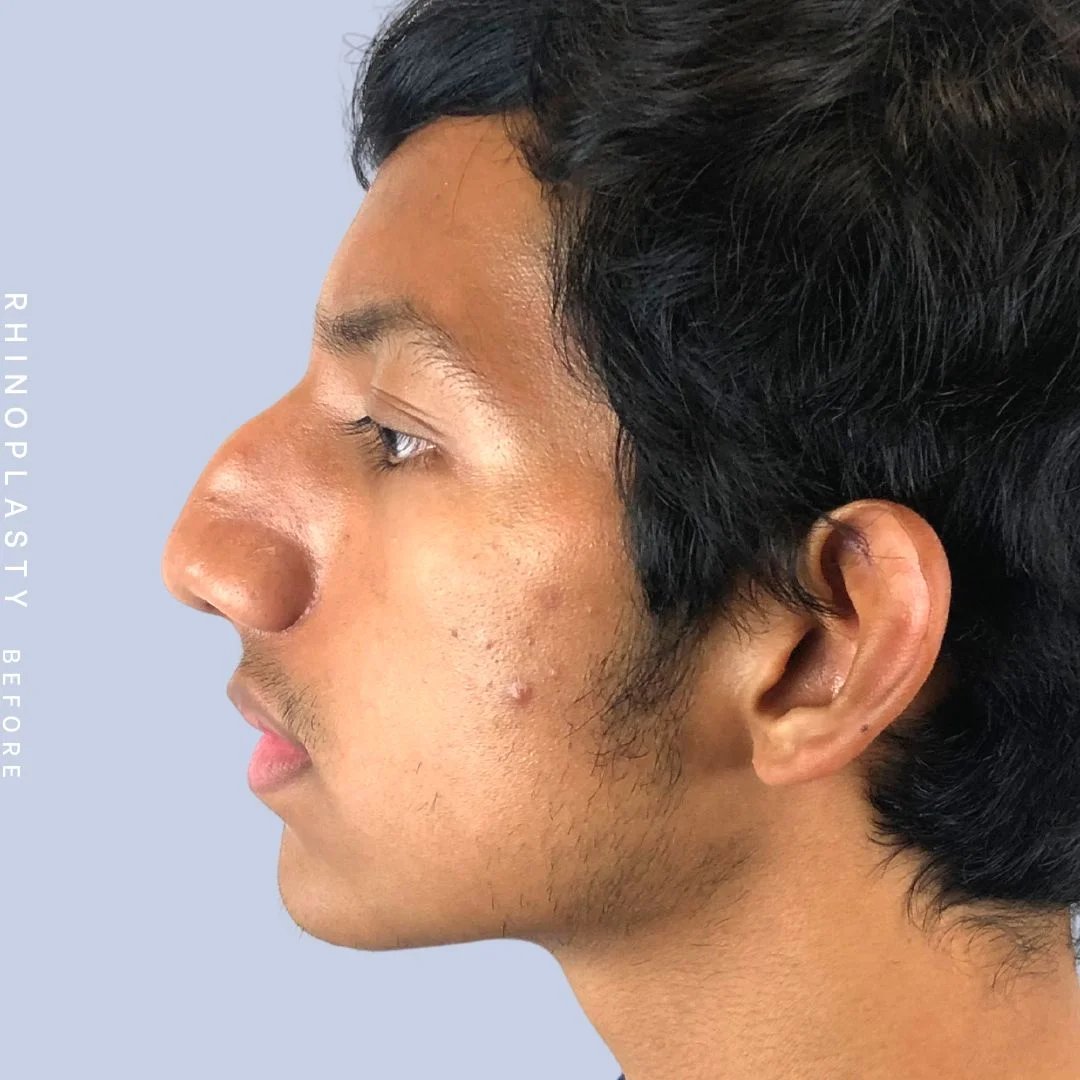
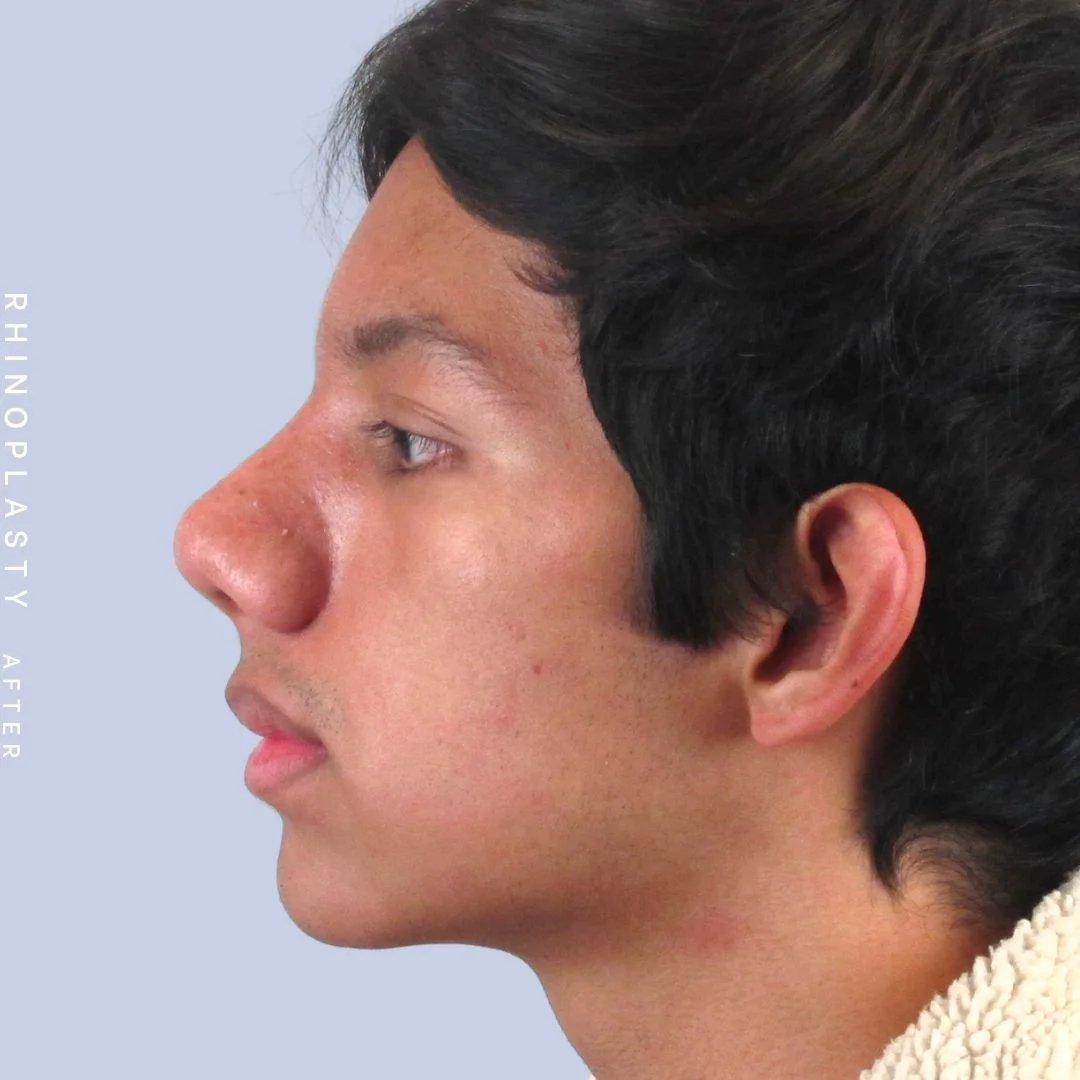


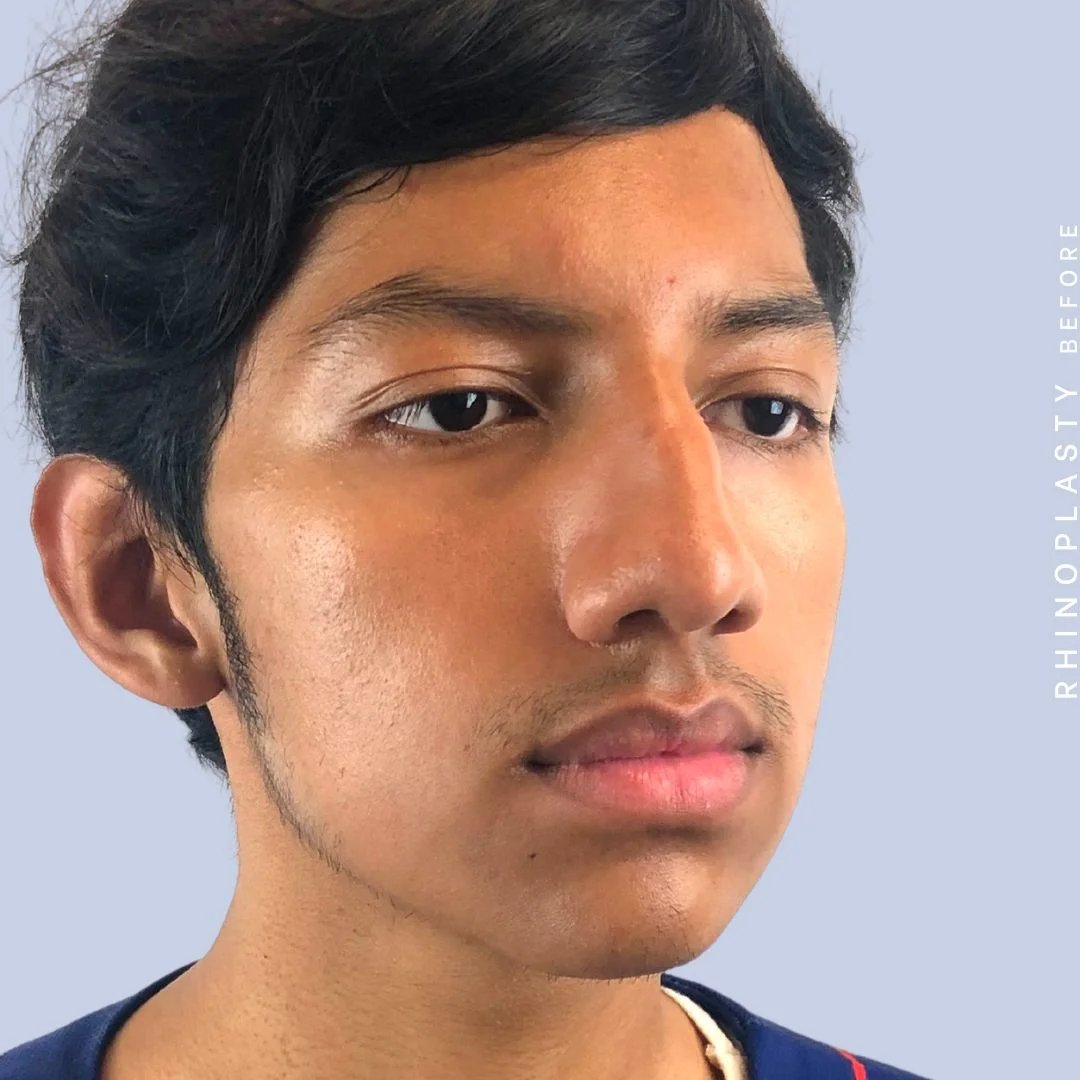

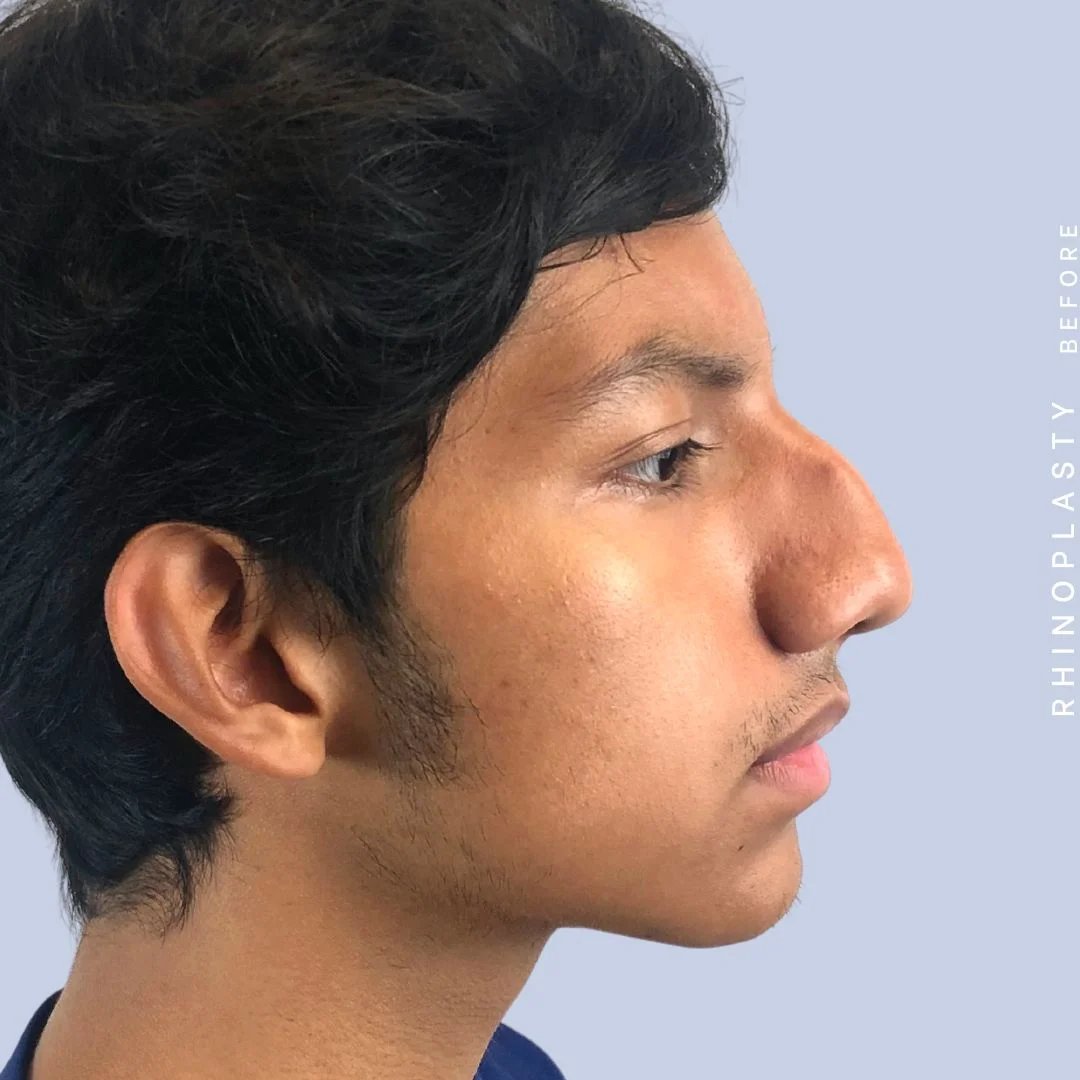
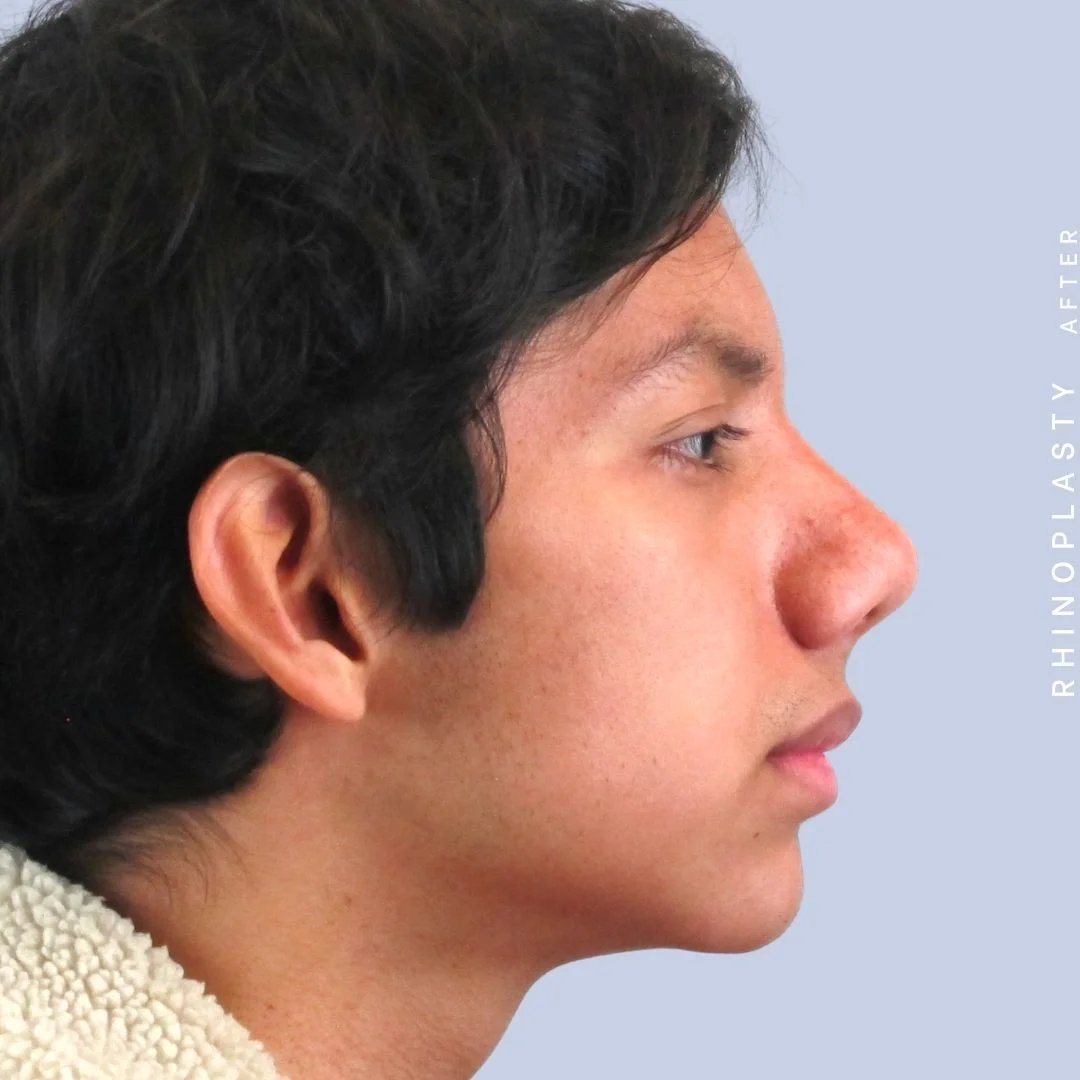
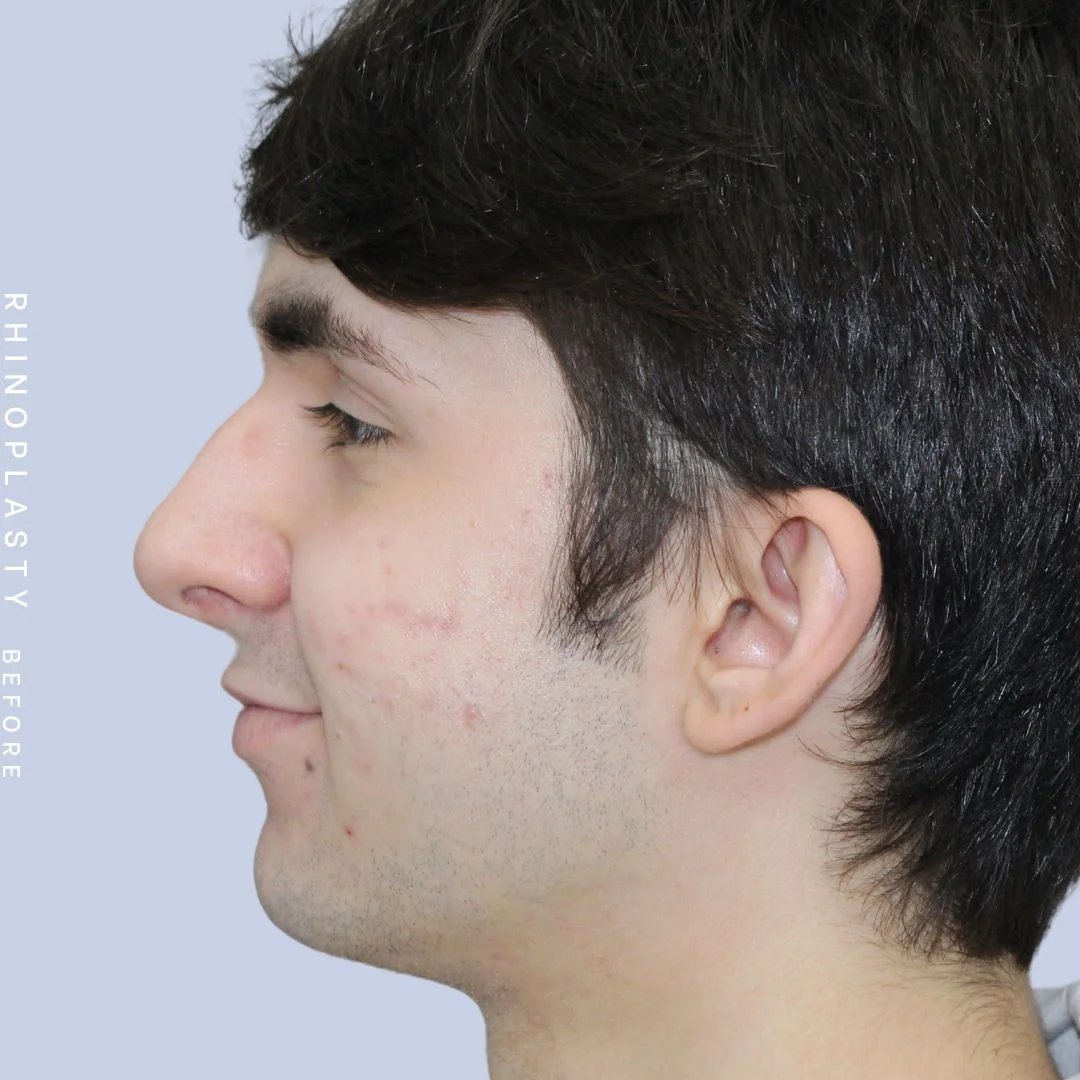
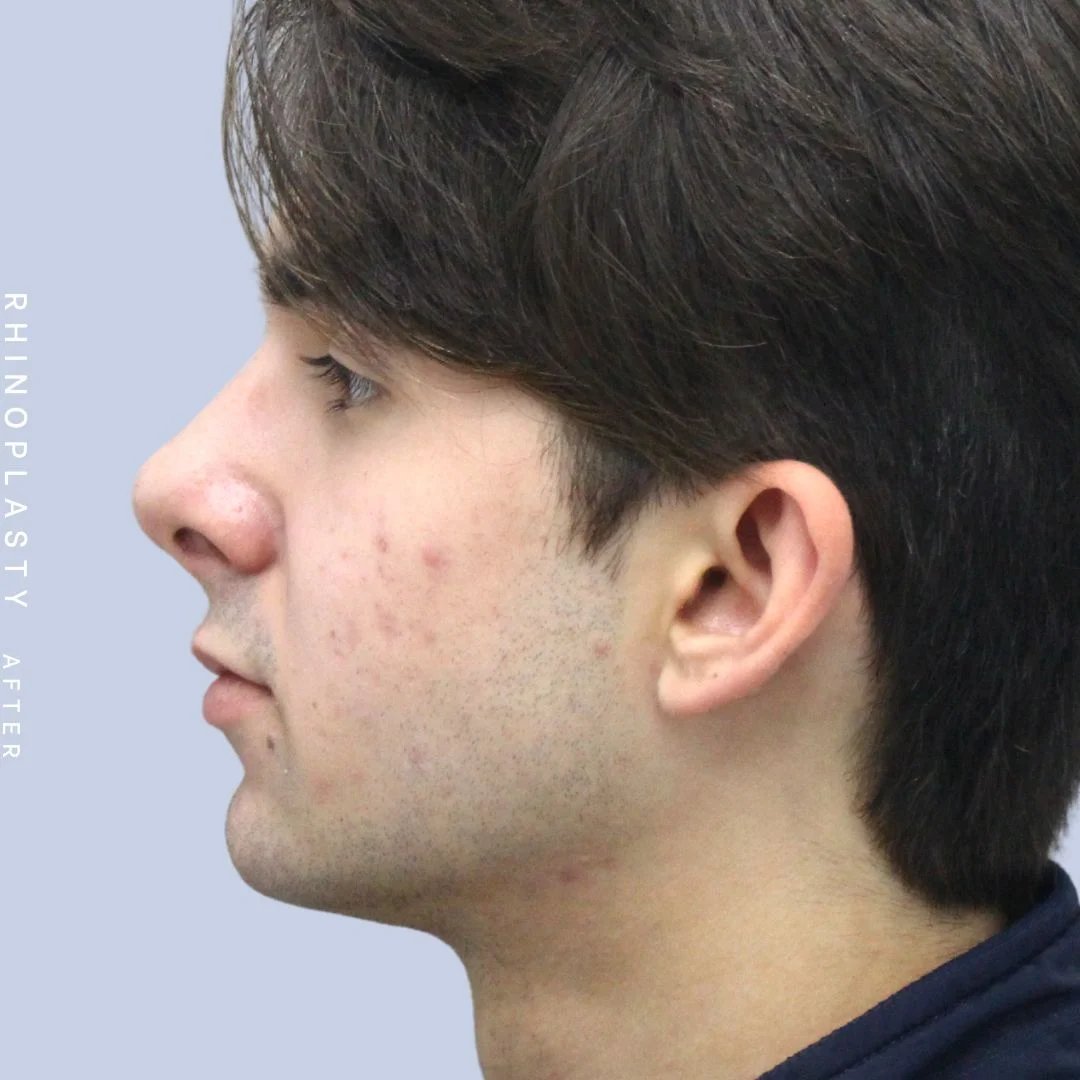
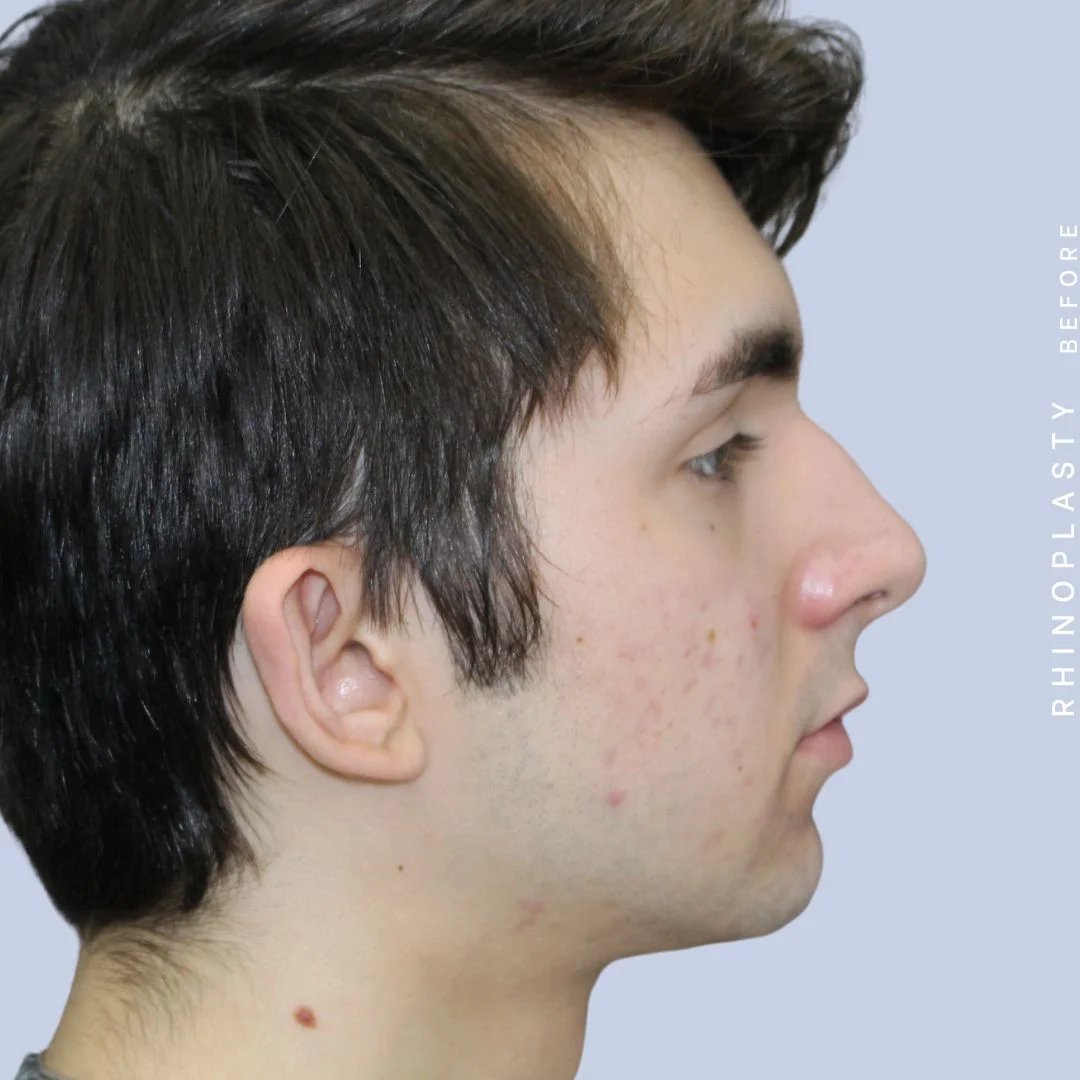
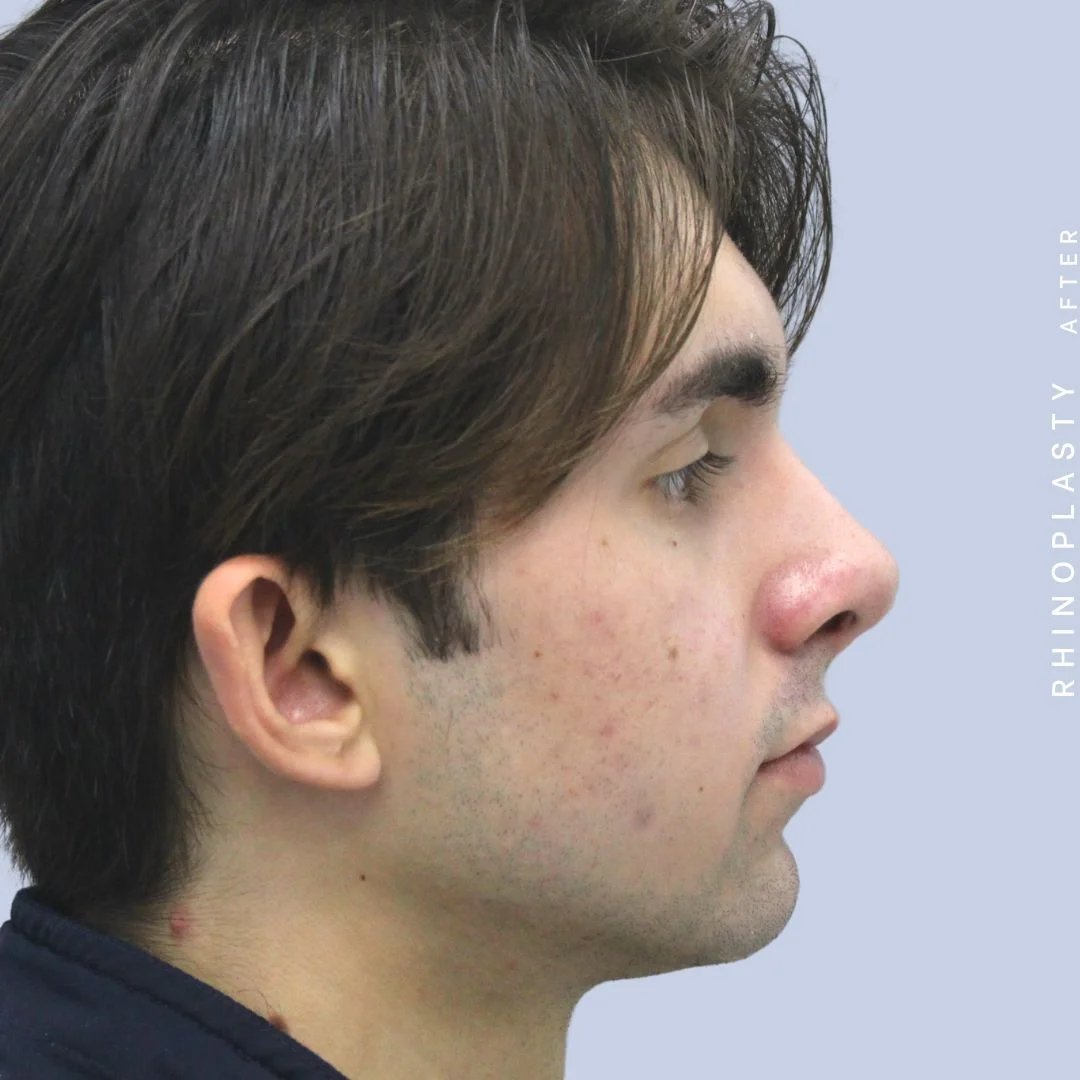
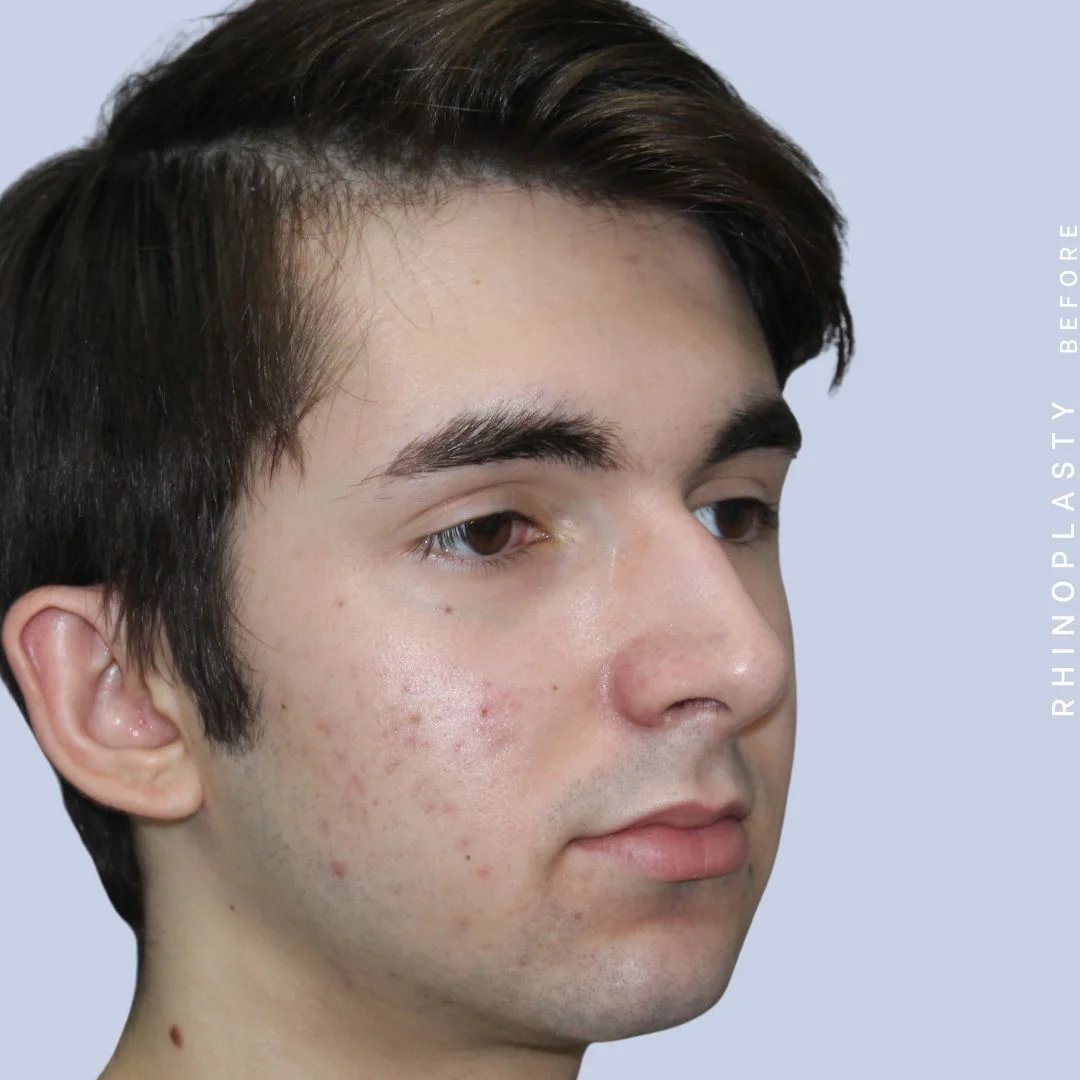
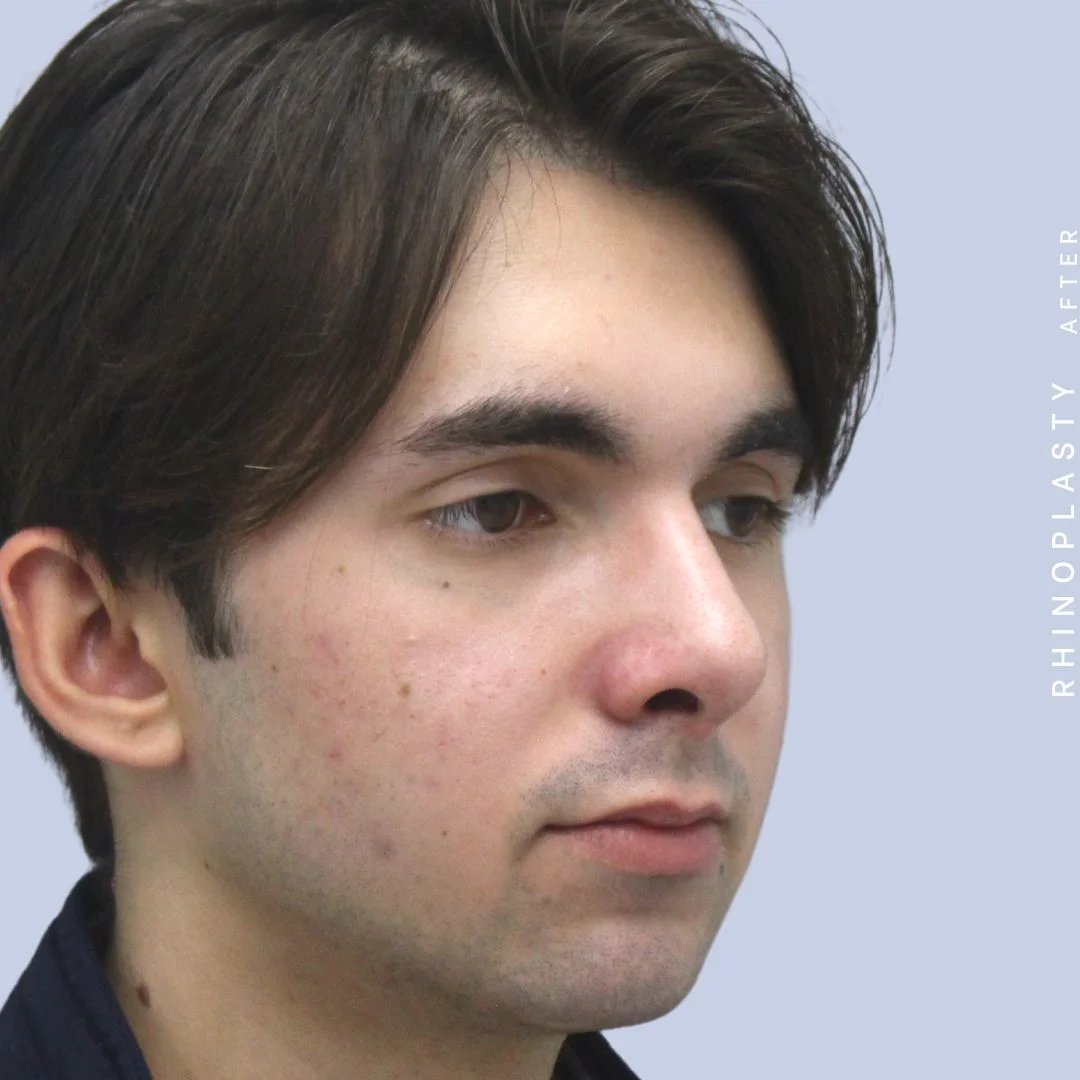
Patient 2
Procedure:
Teenage Primary Septorhinoplasty
Individual results may vary.
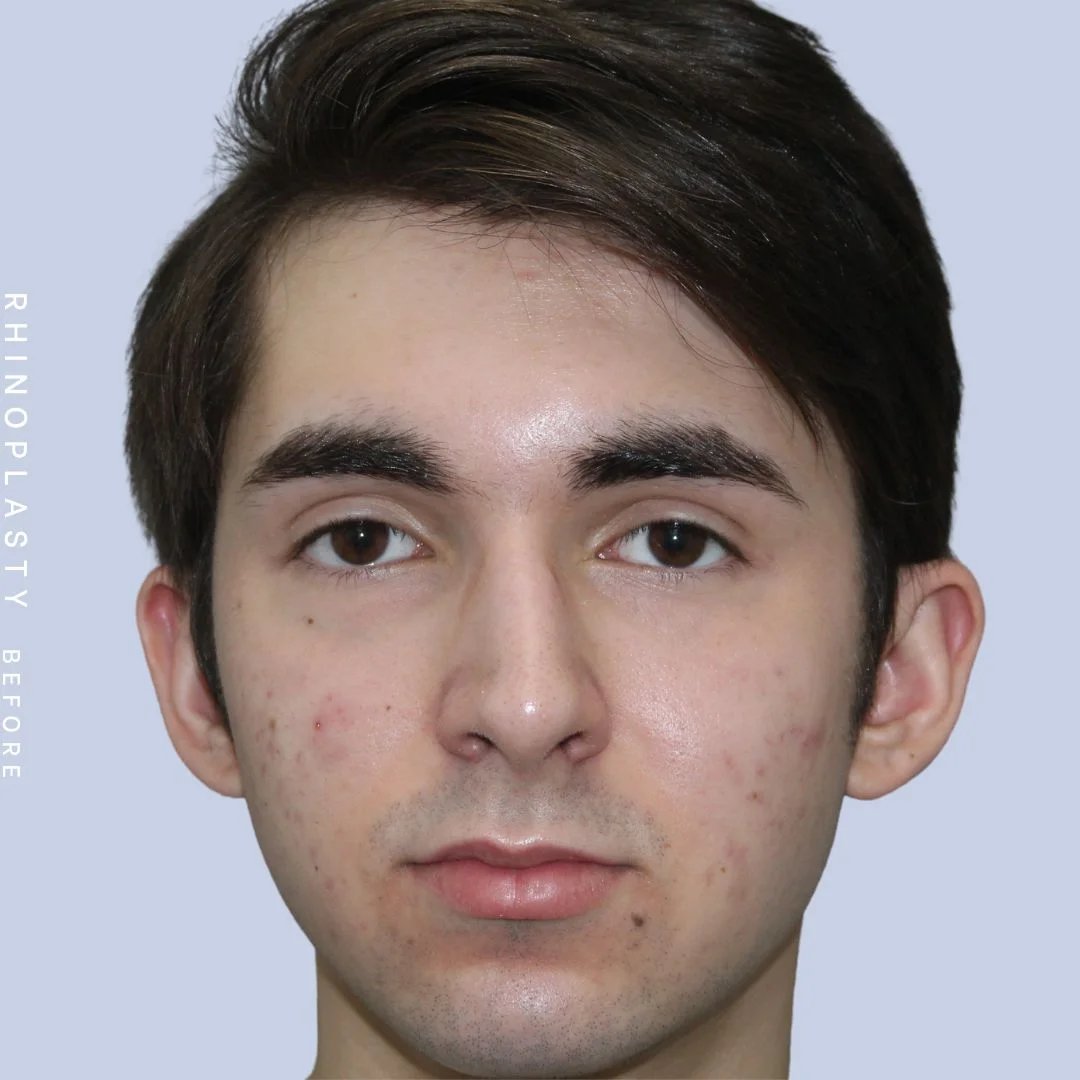

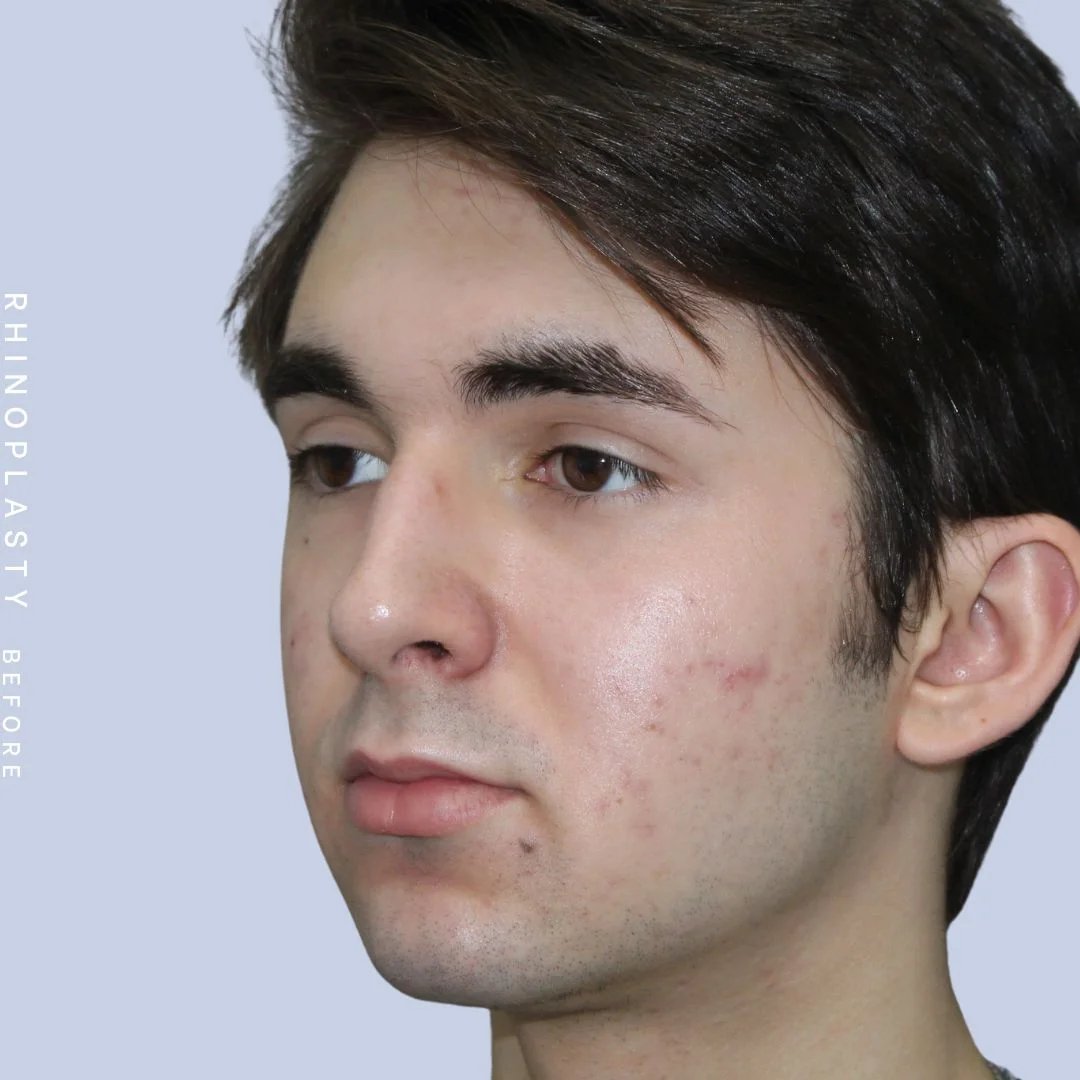
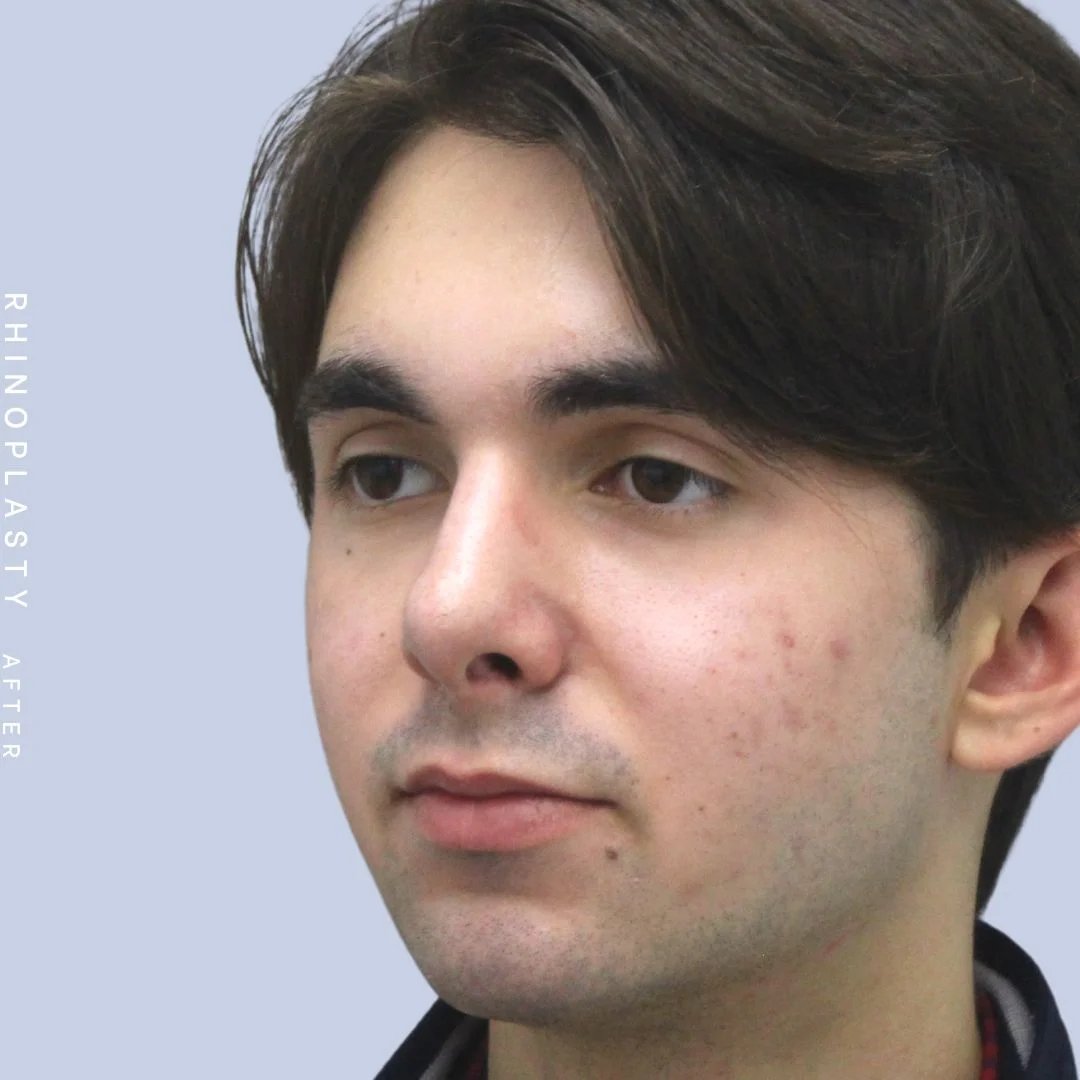
Patient 3
Procedure:
Rhinoplasty
Individual results may vary.
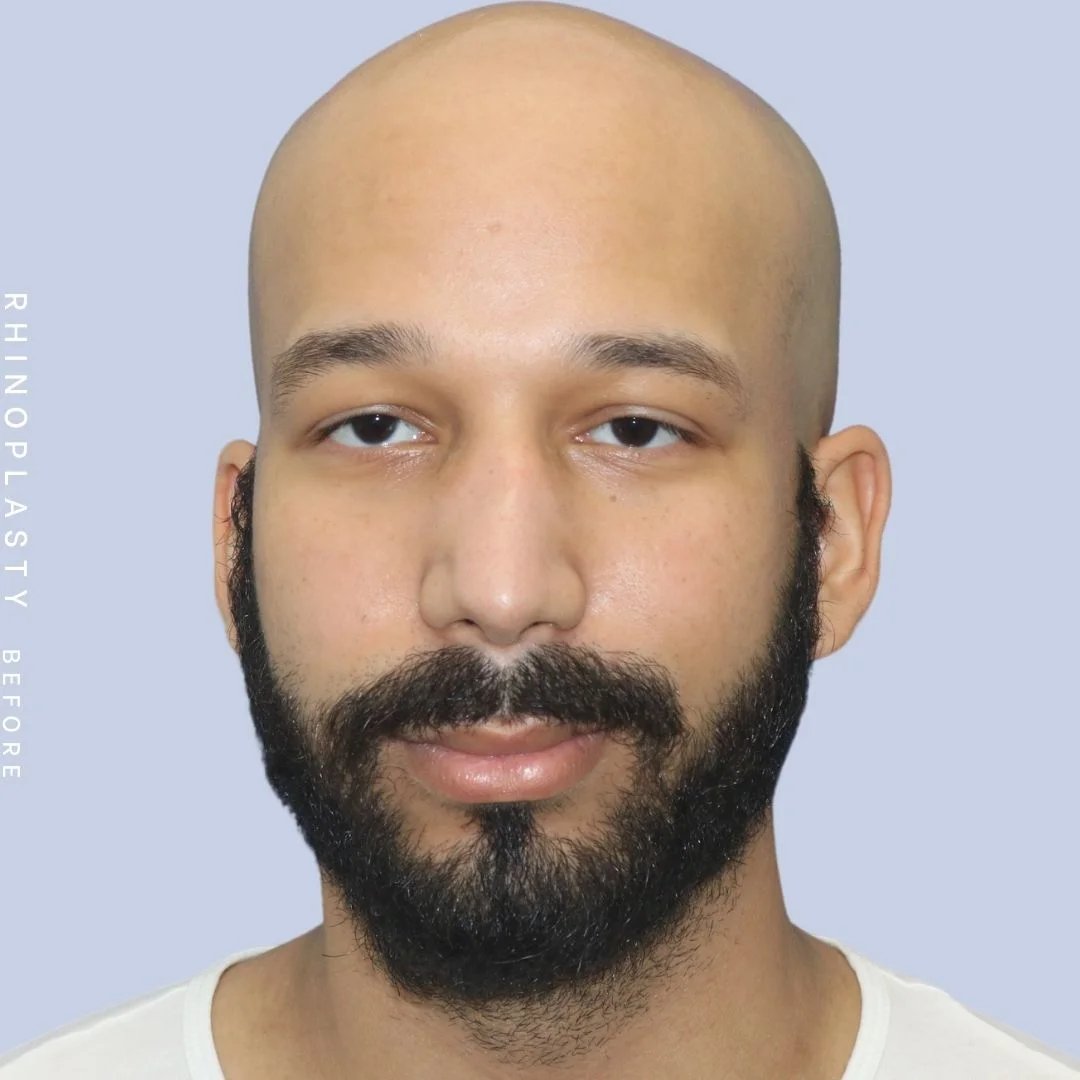
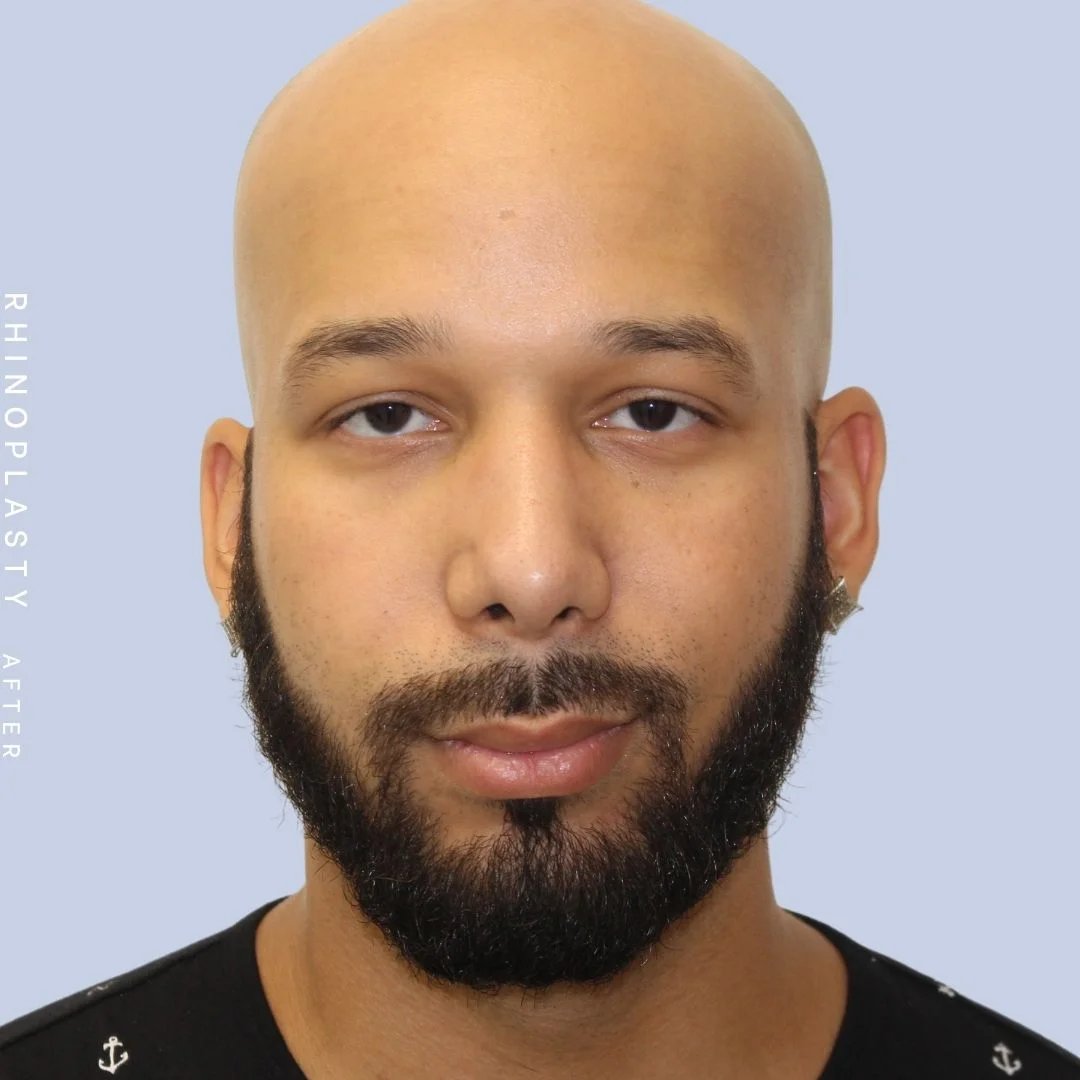
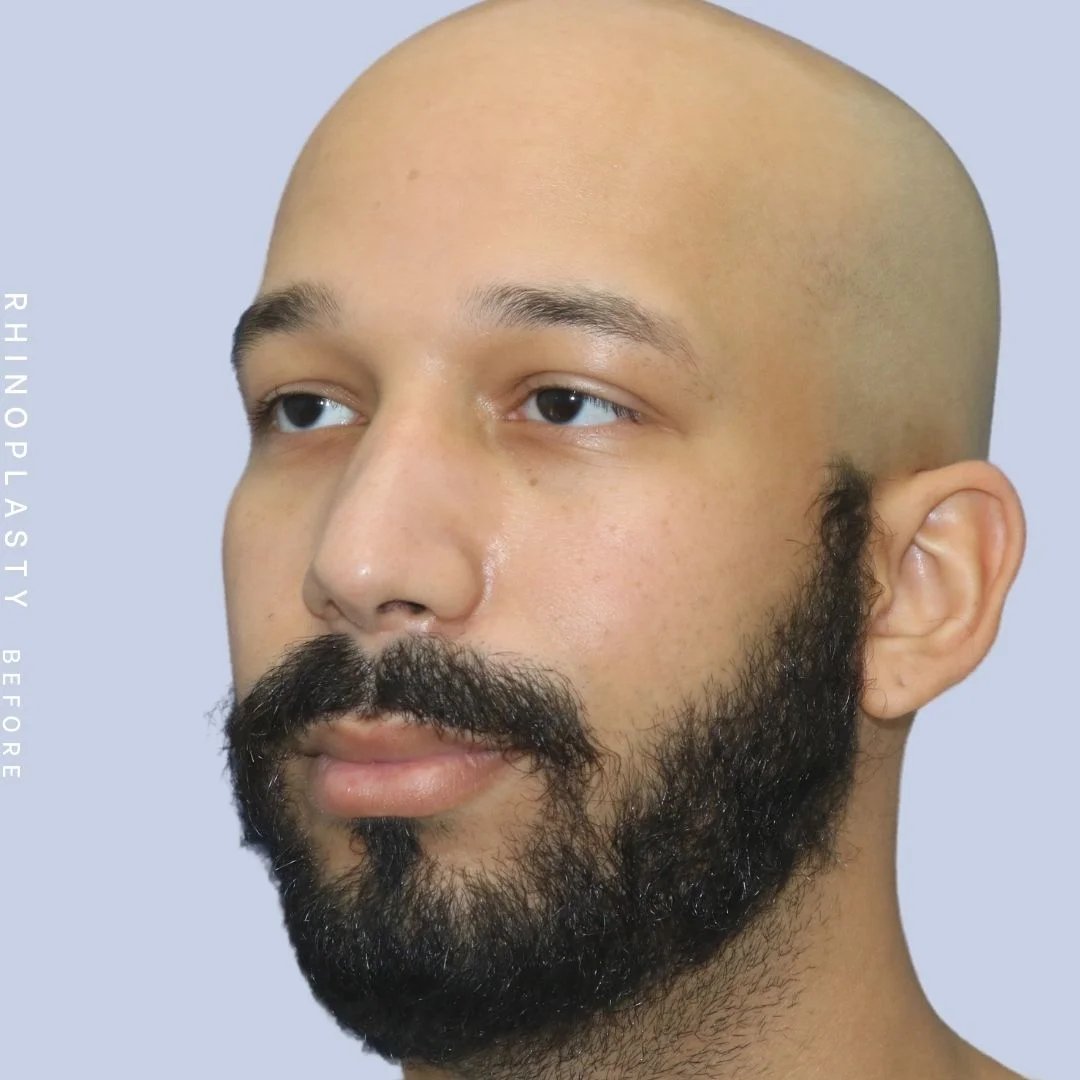
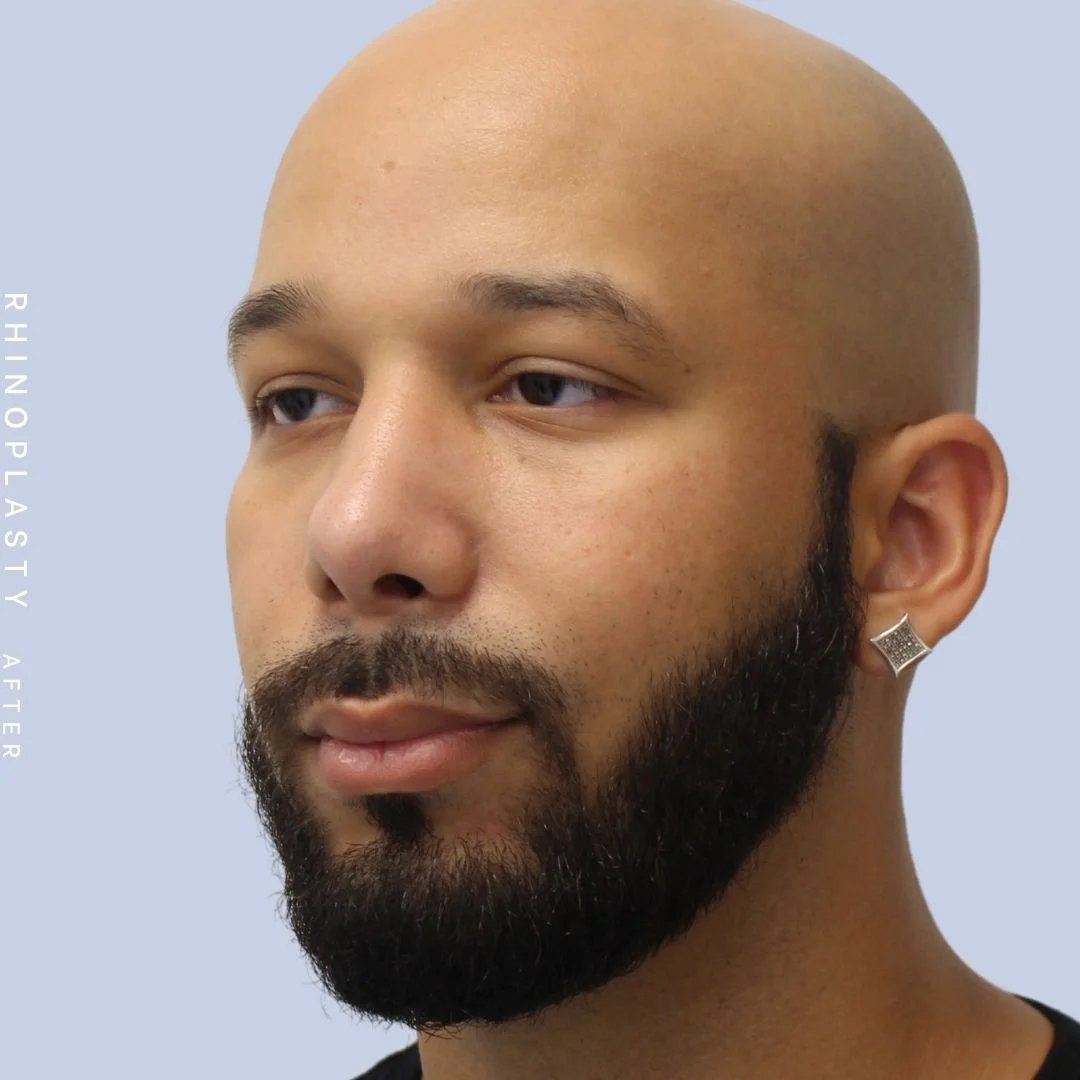
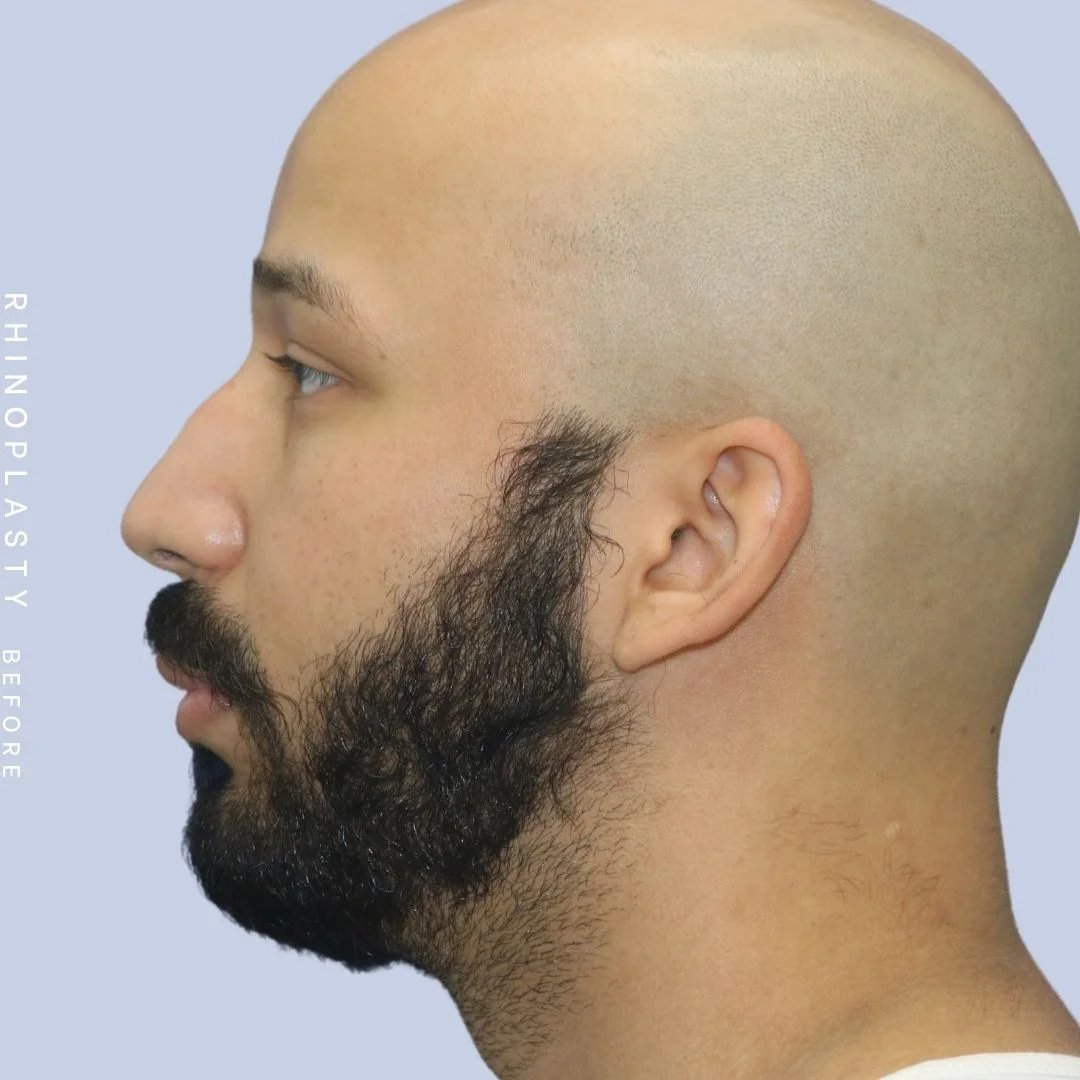
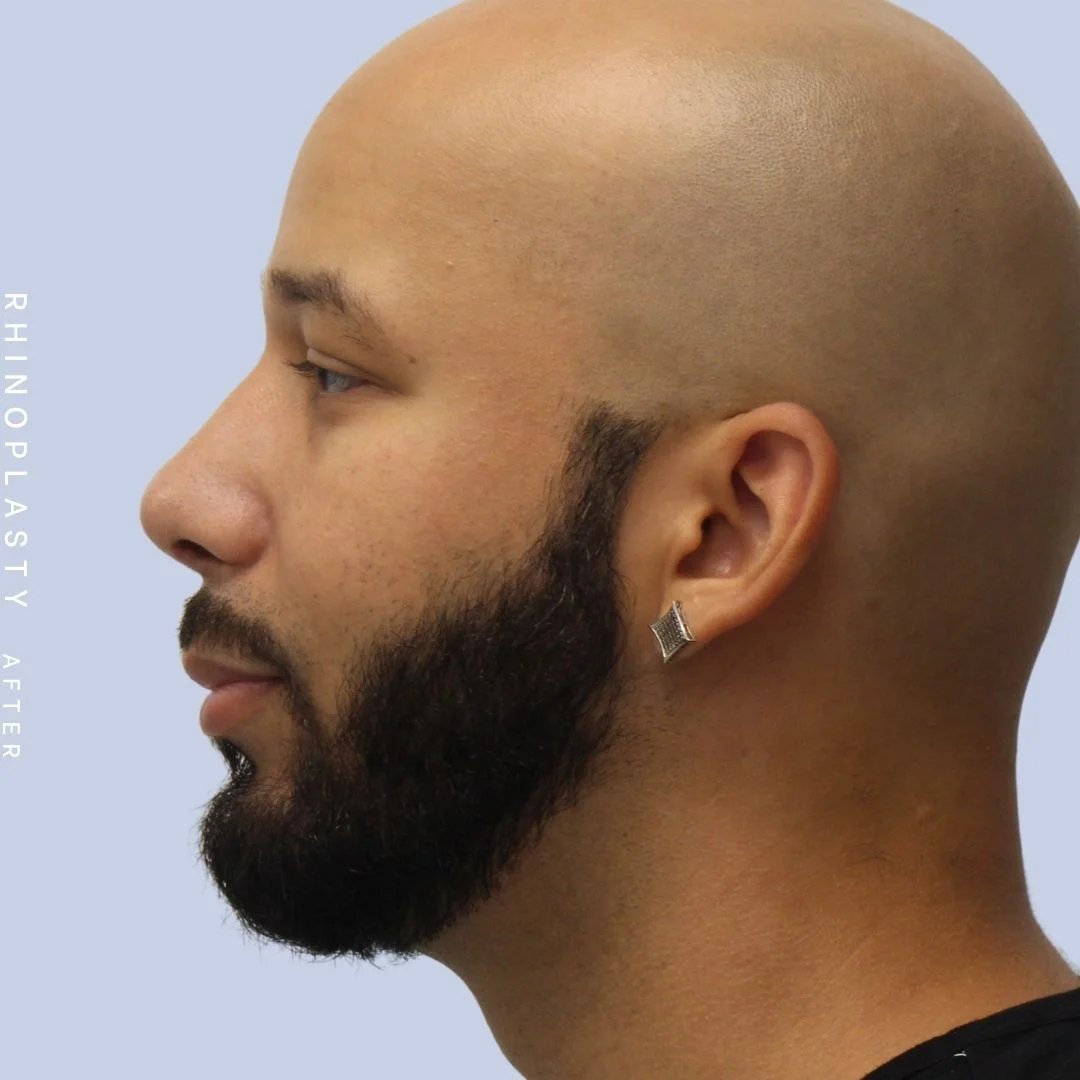
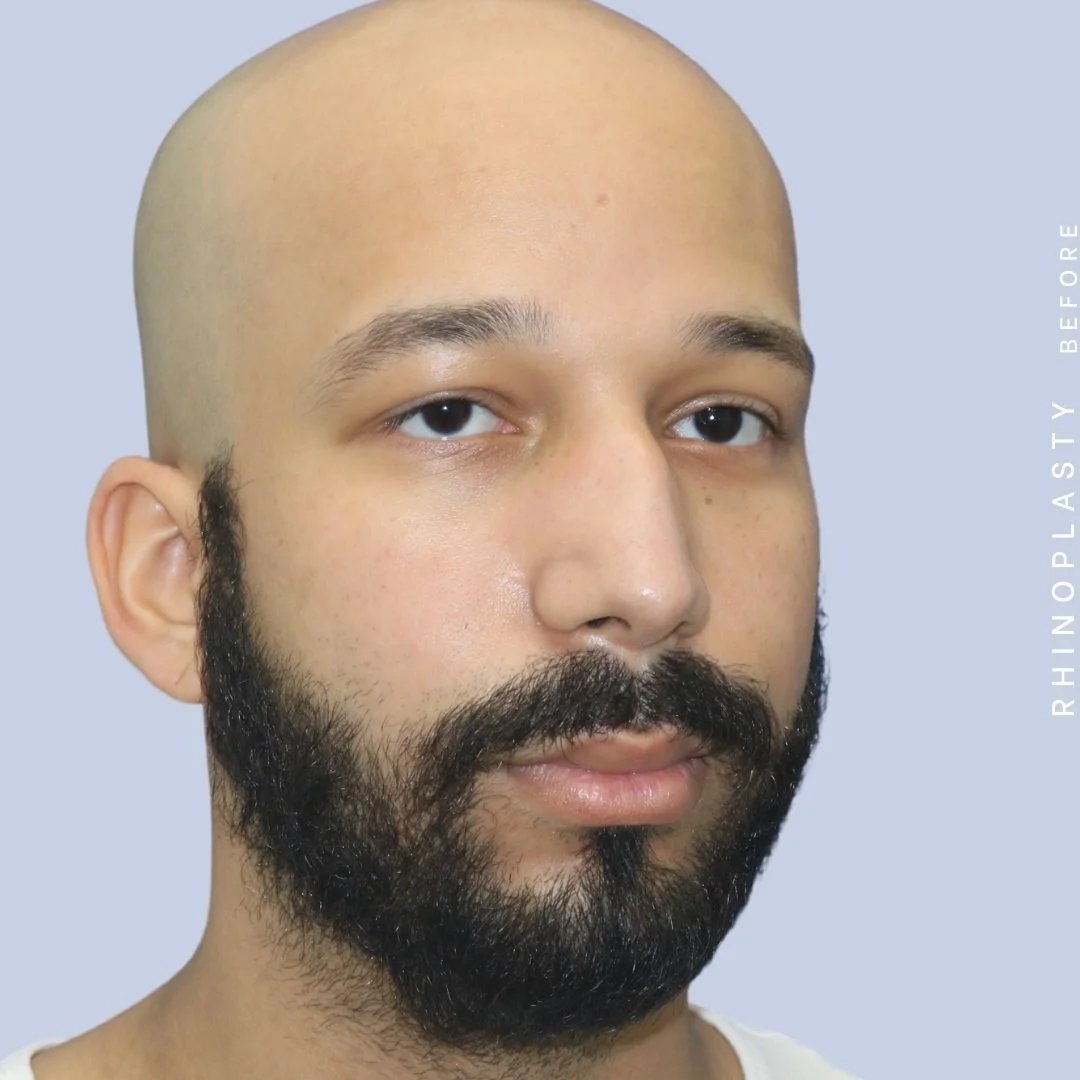
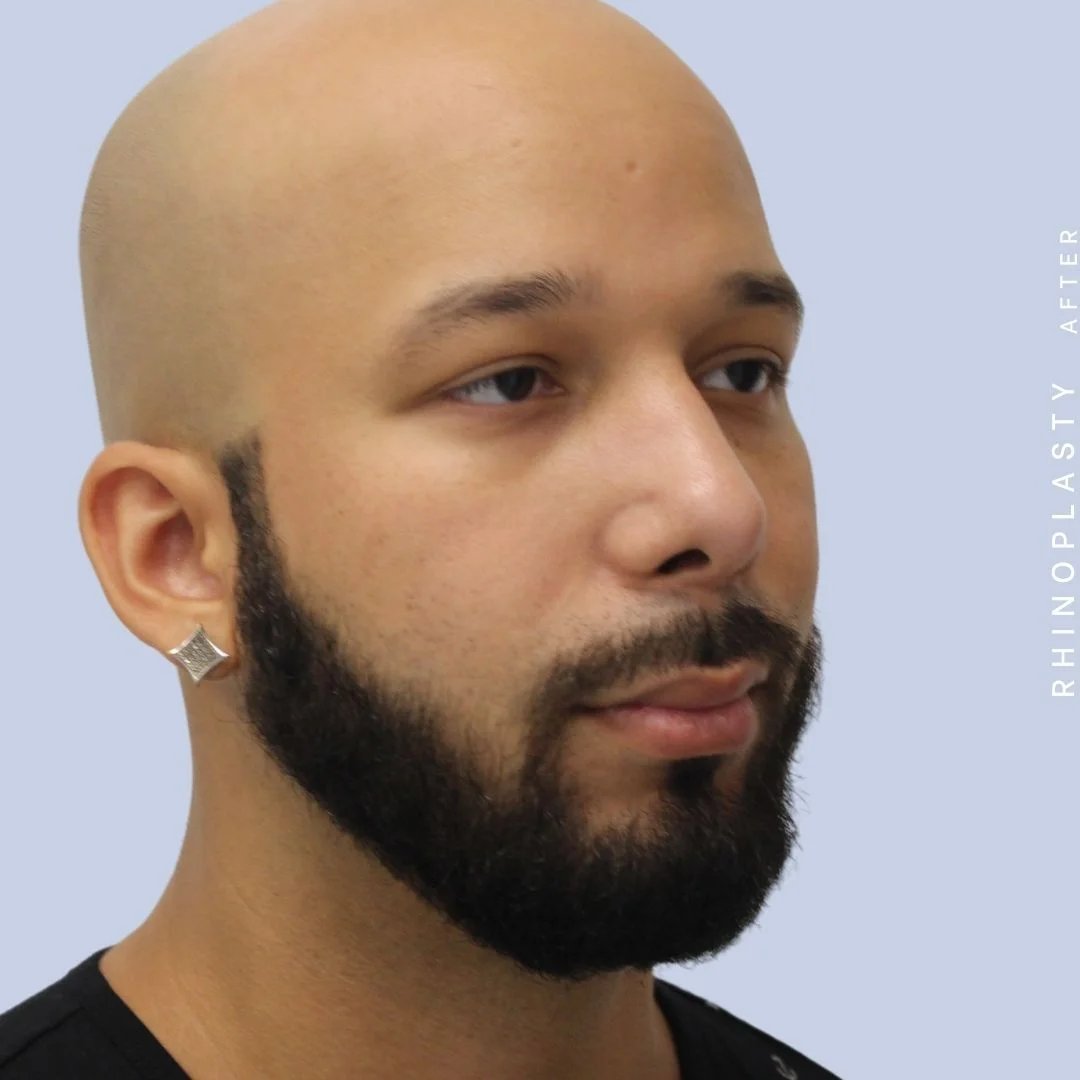
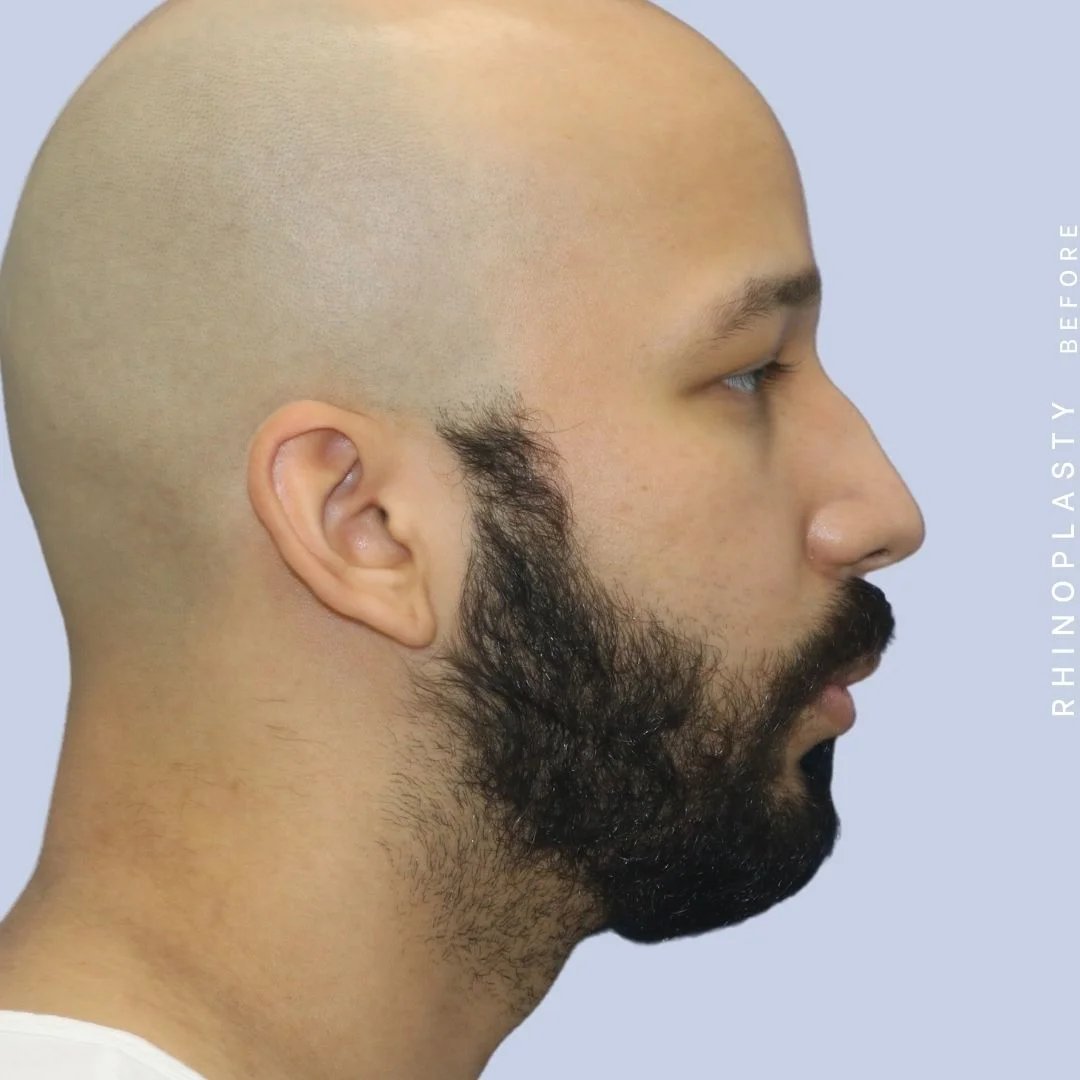
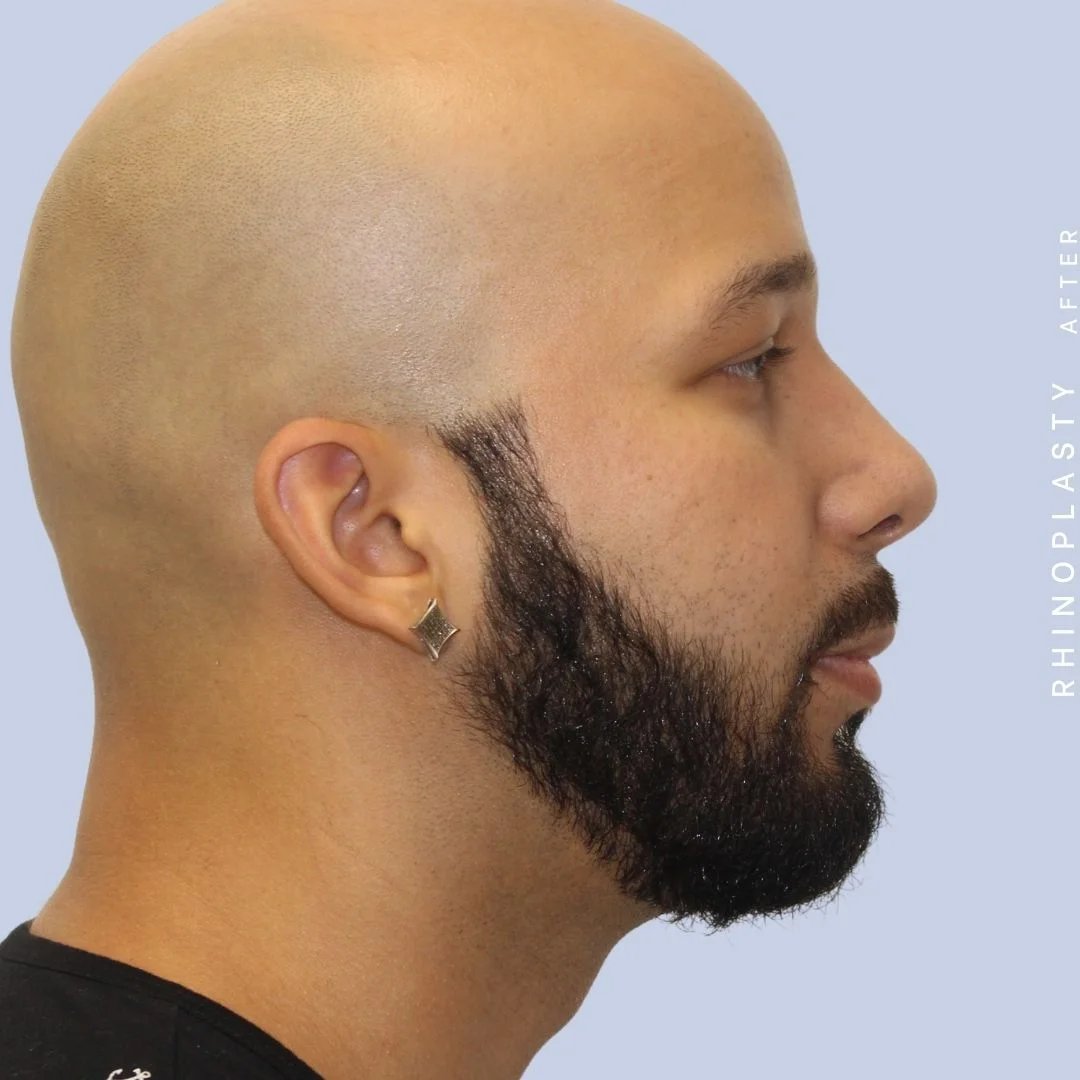
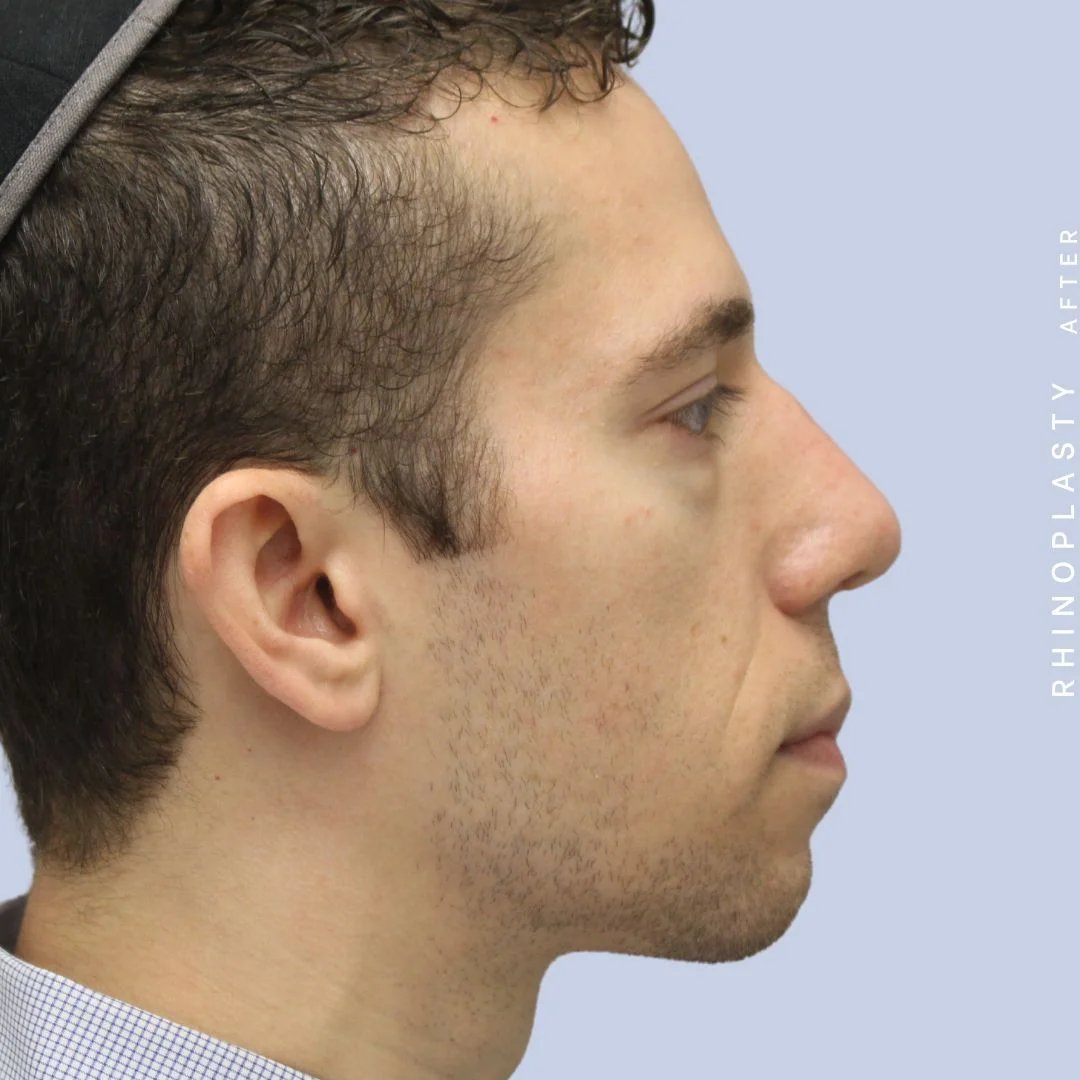
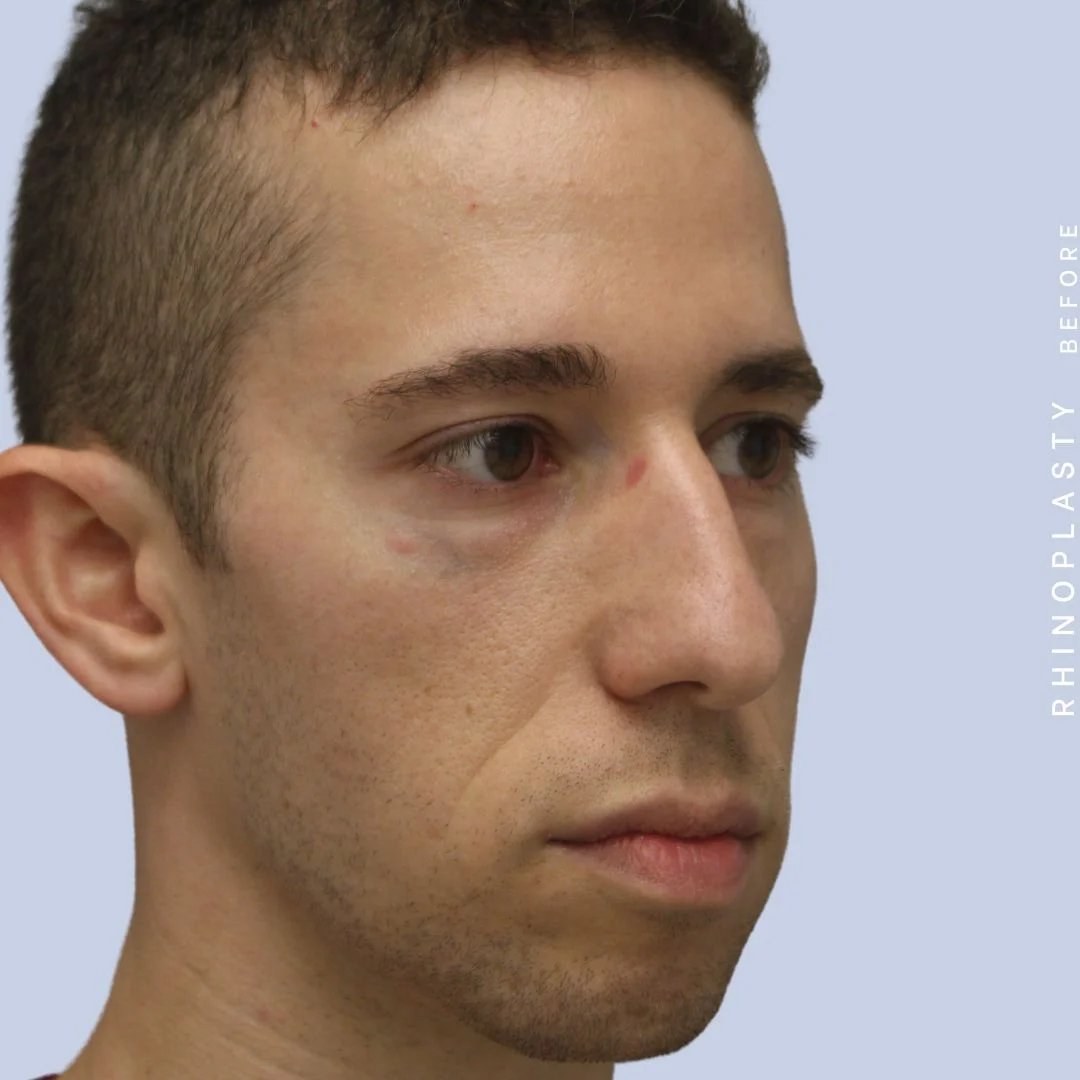
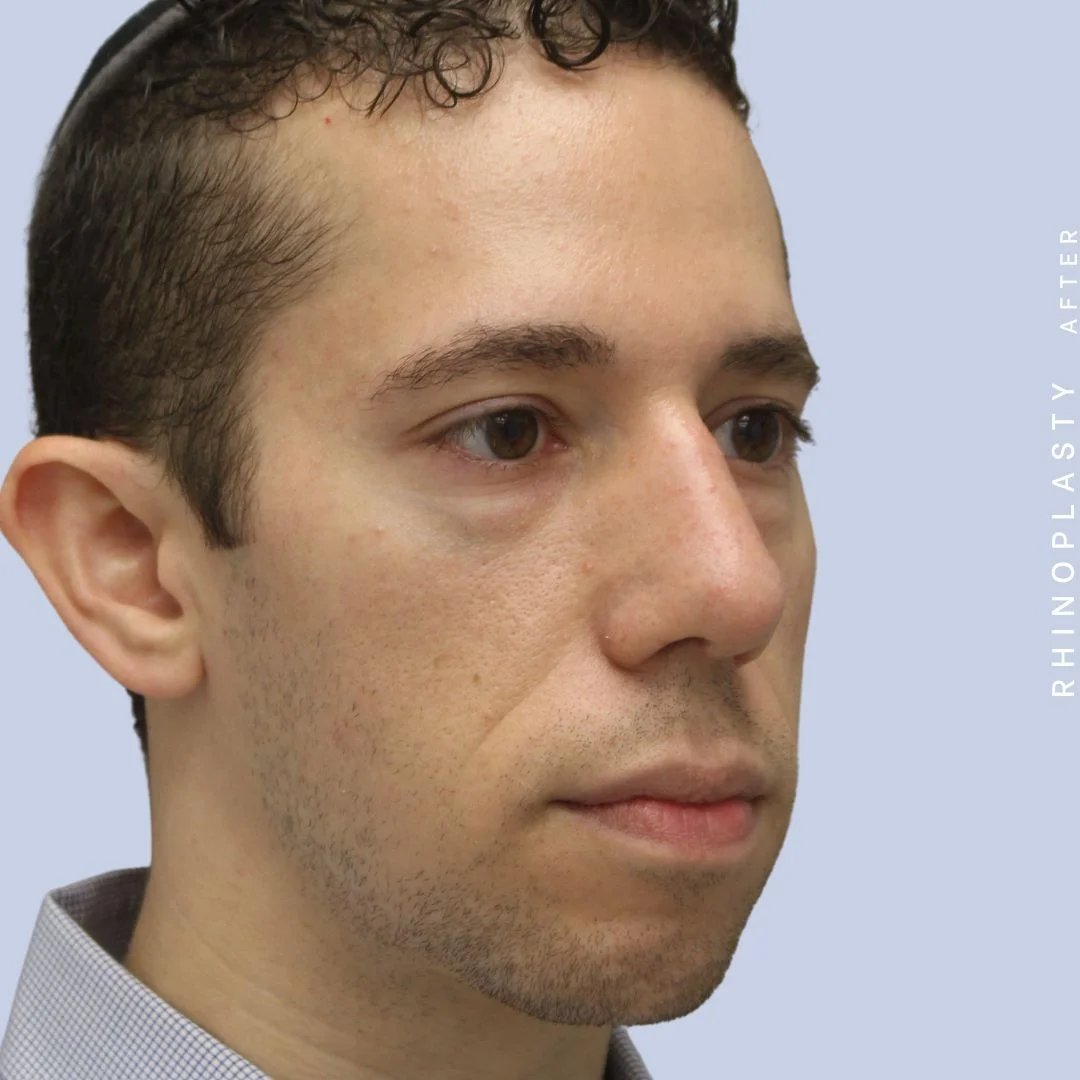
Patient 4
Procedure:
Rhinoplasty
Individual results may vary.
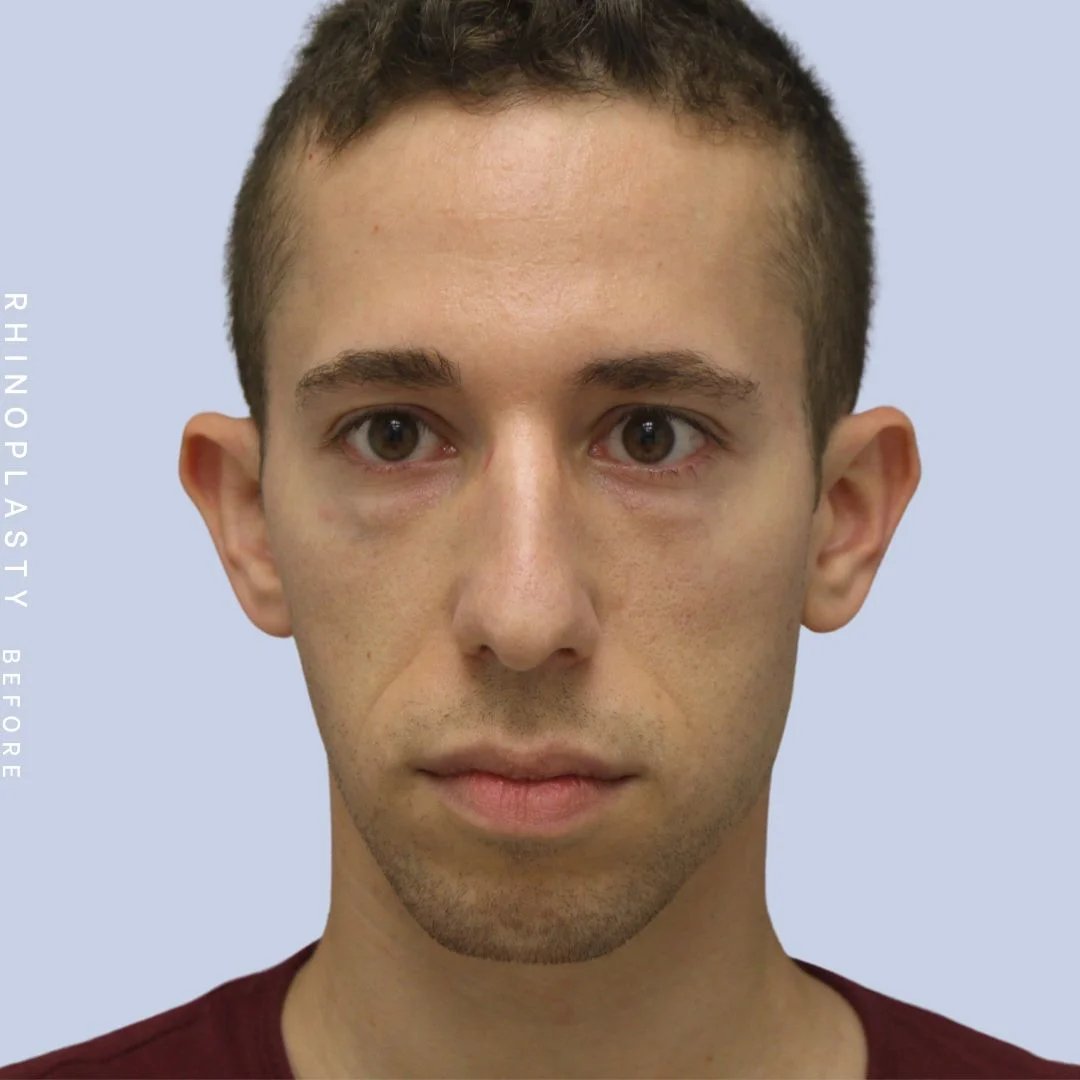

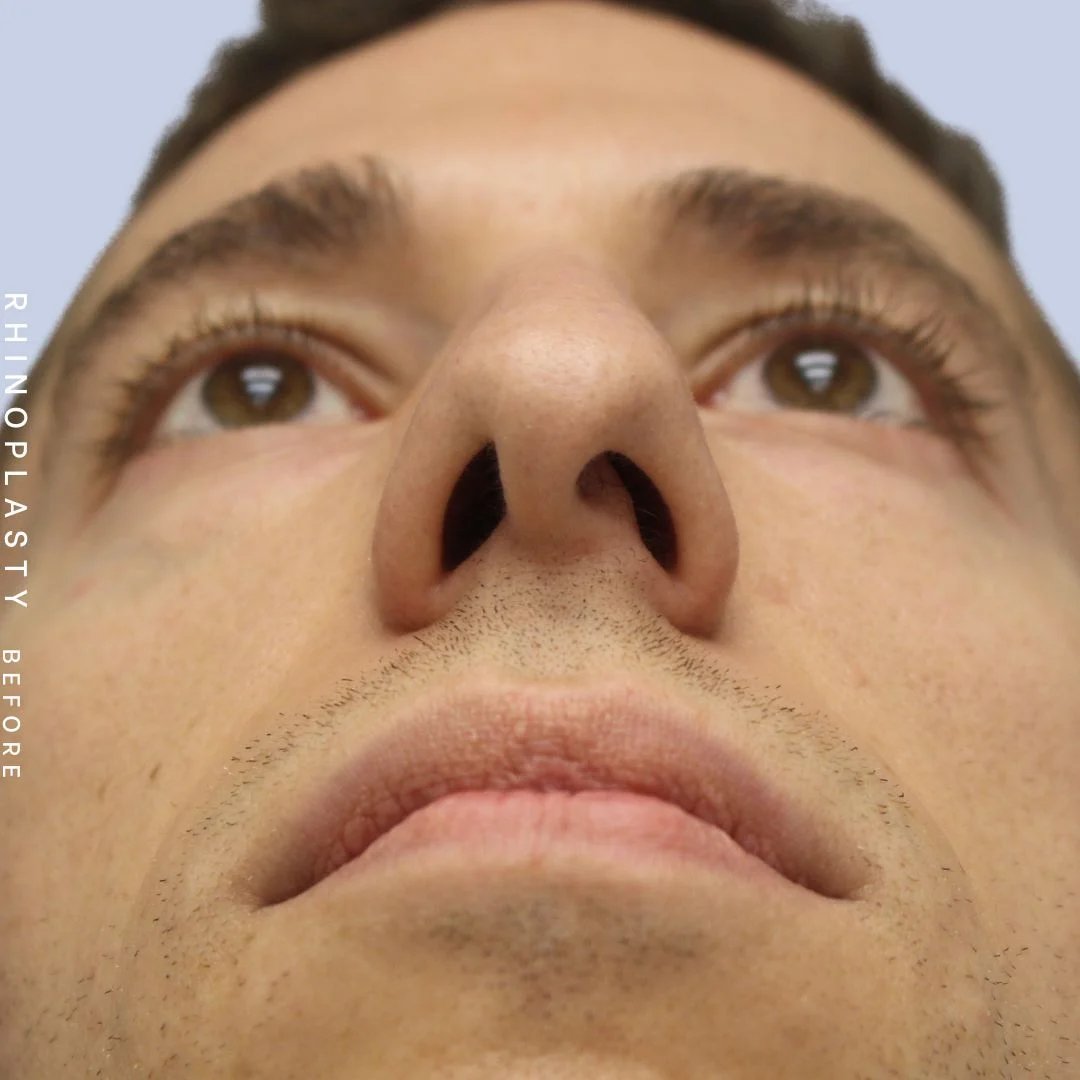
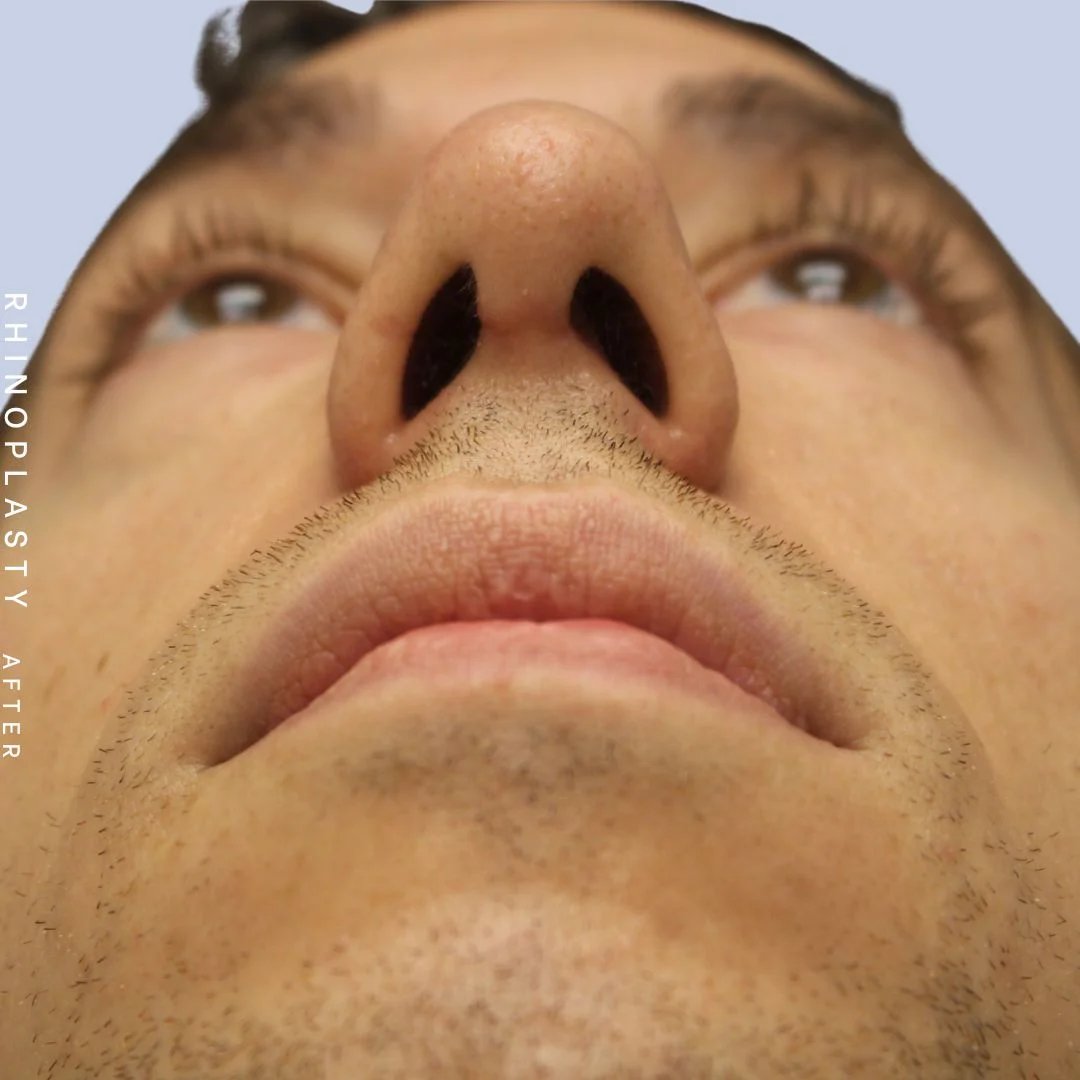
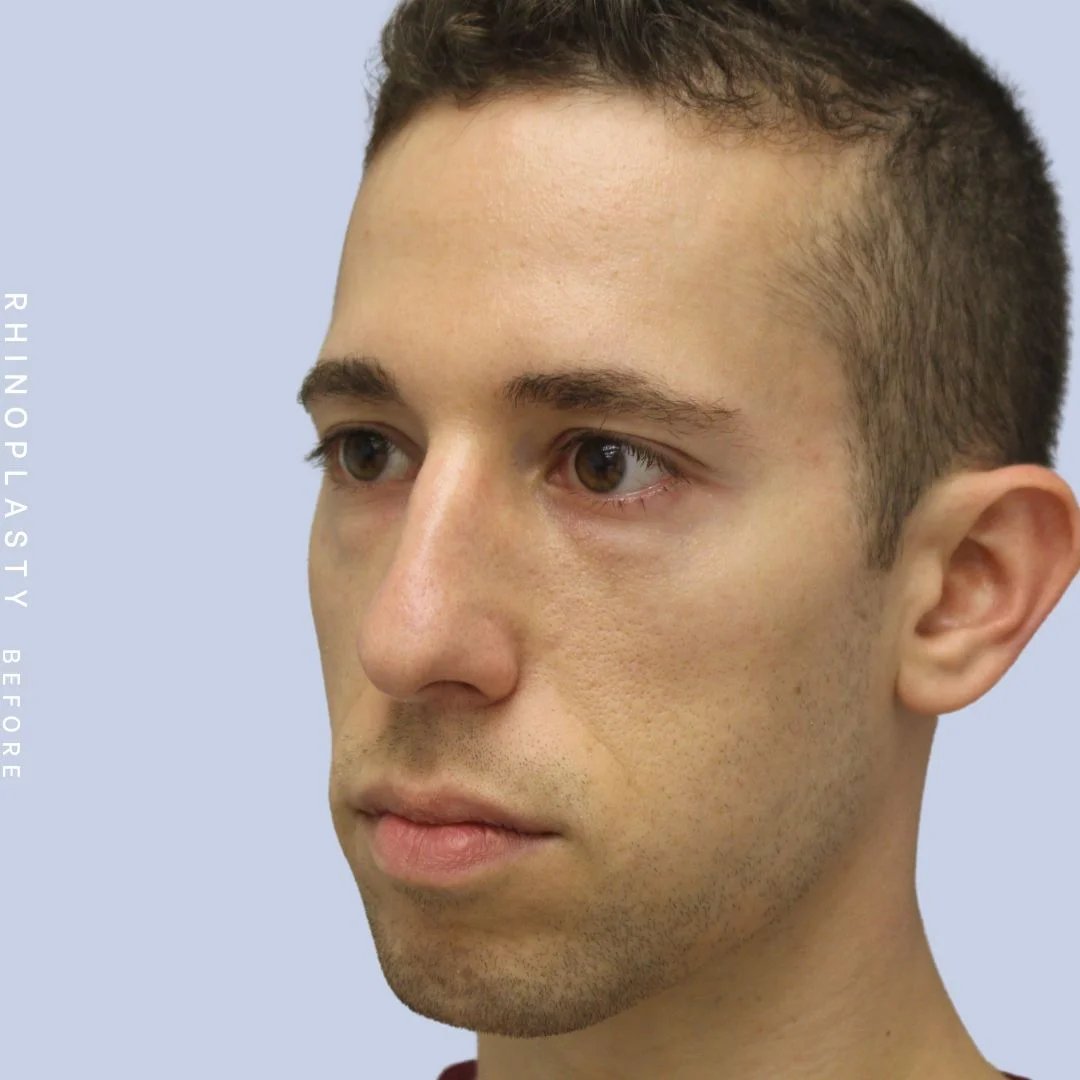
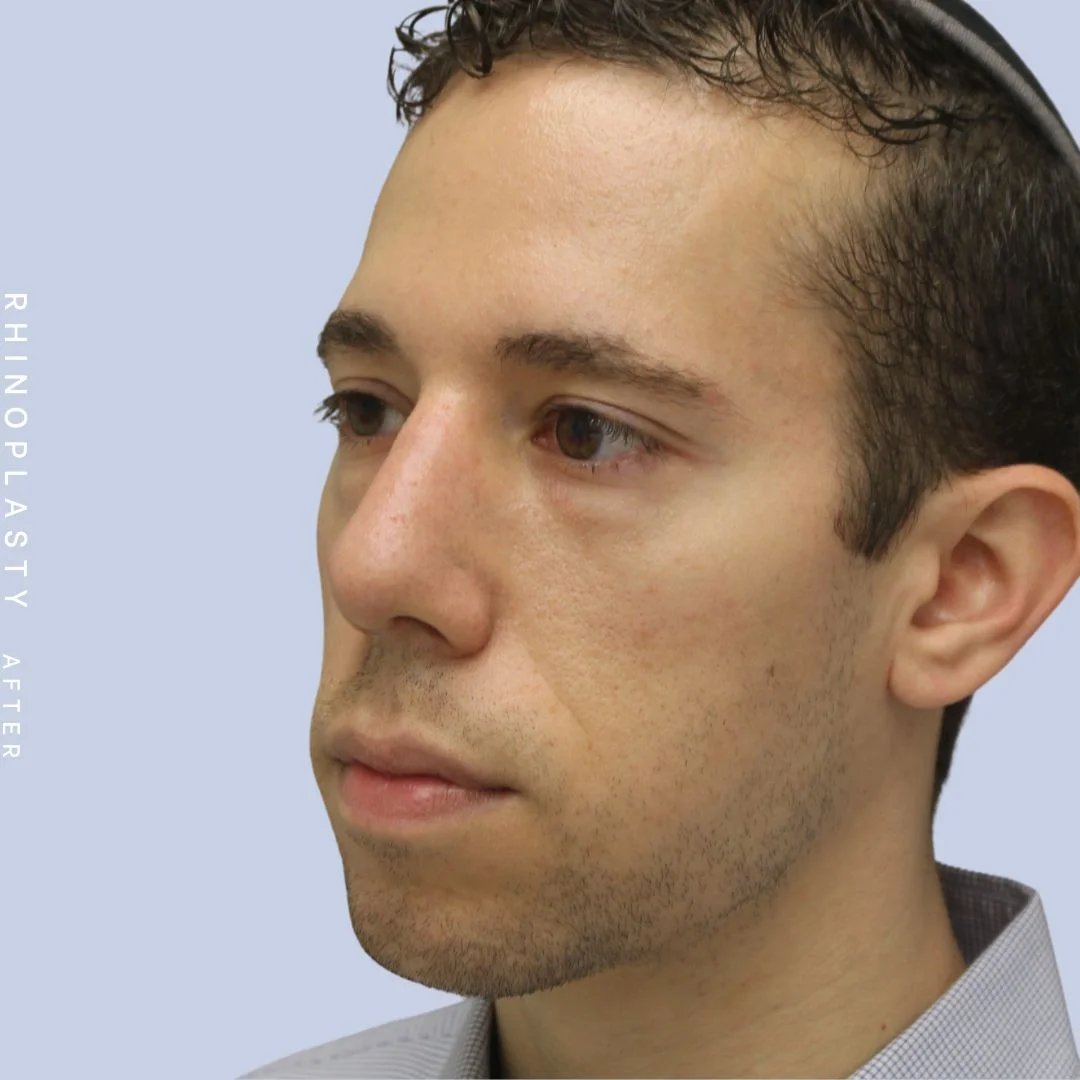
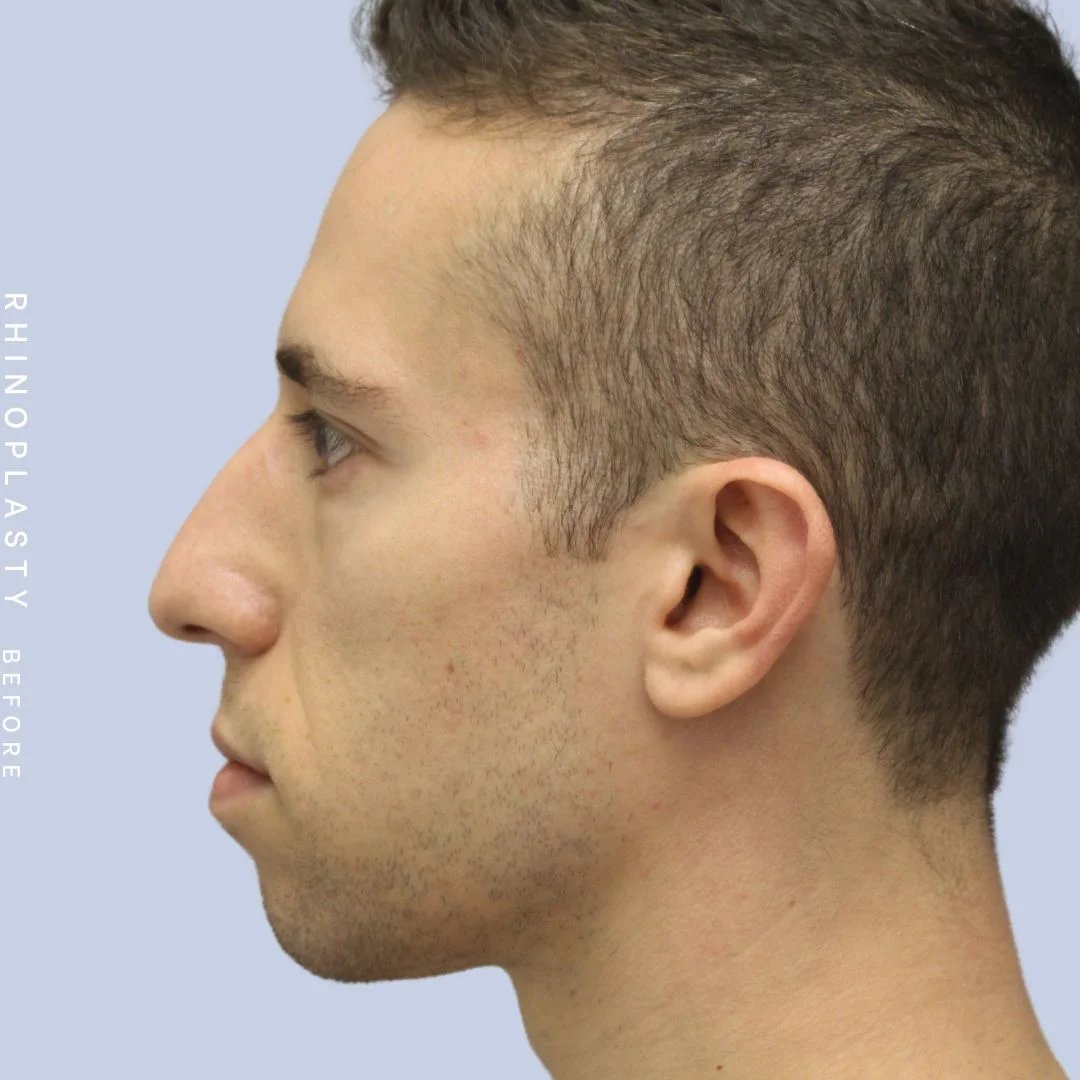
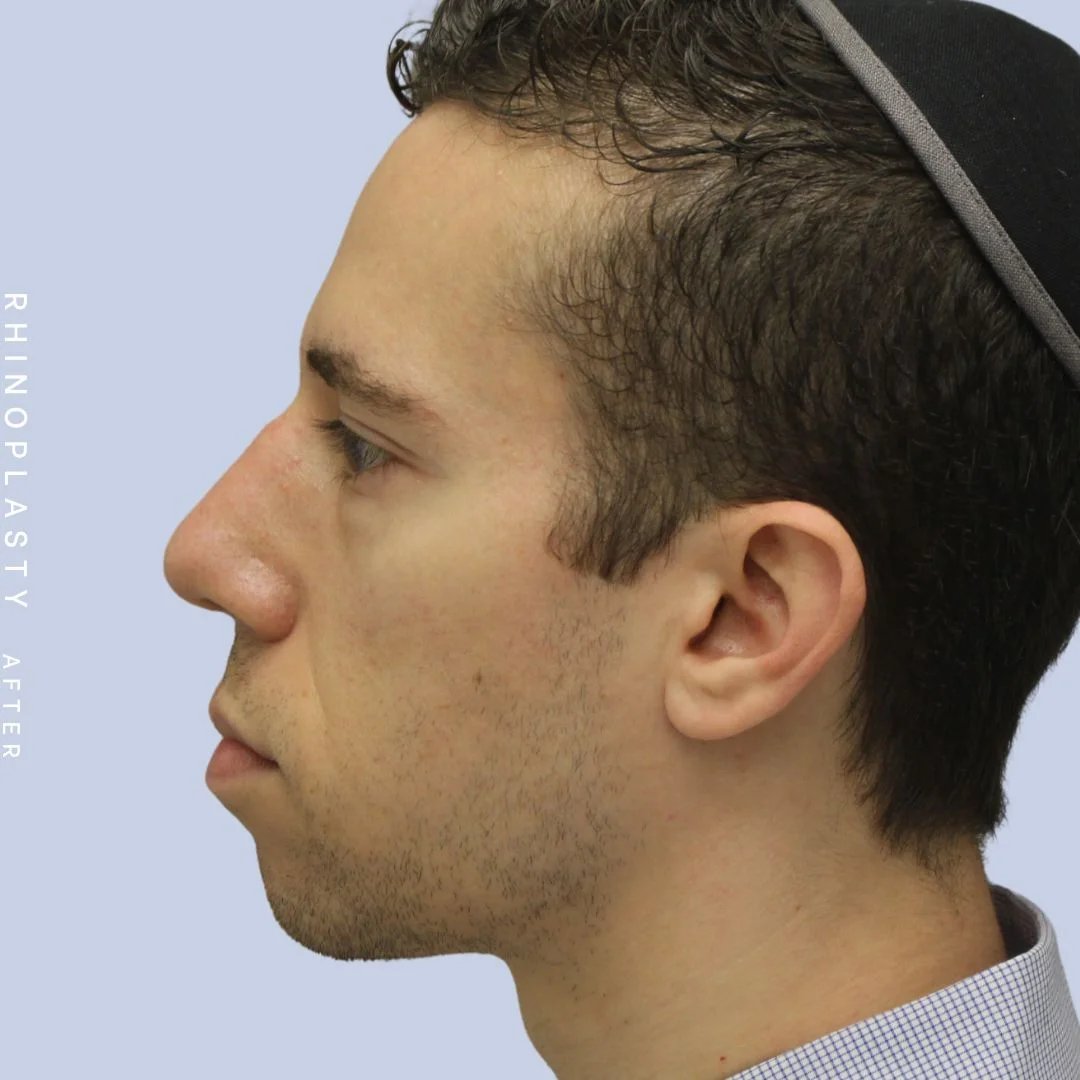
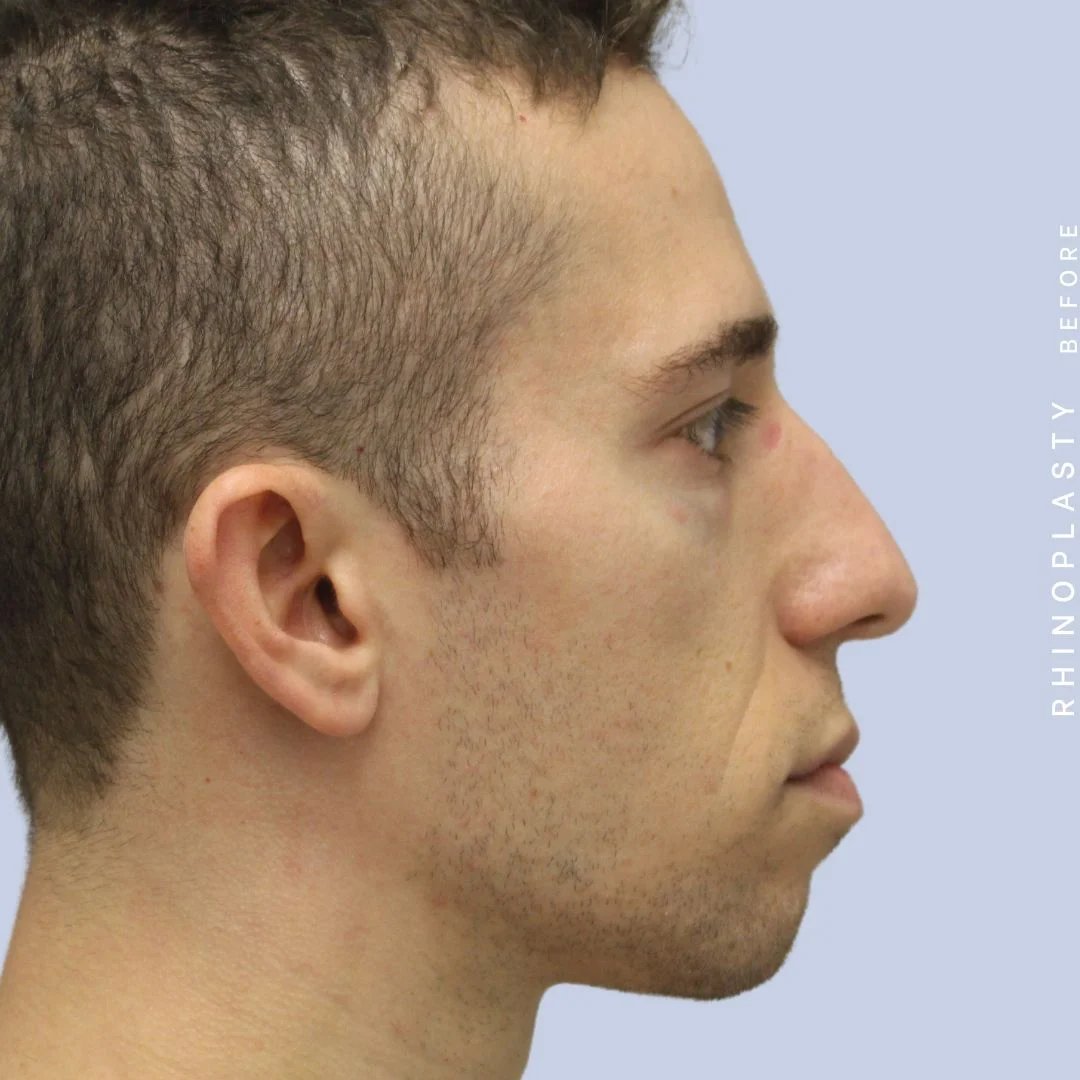
Patient 5
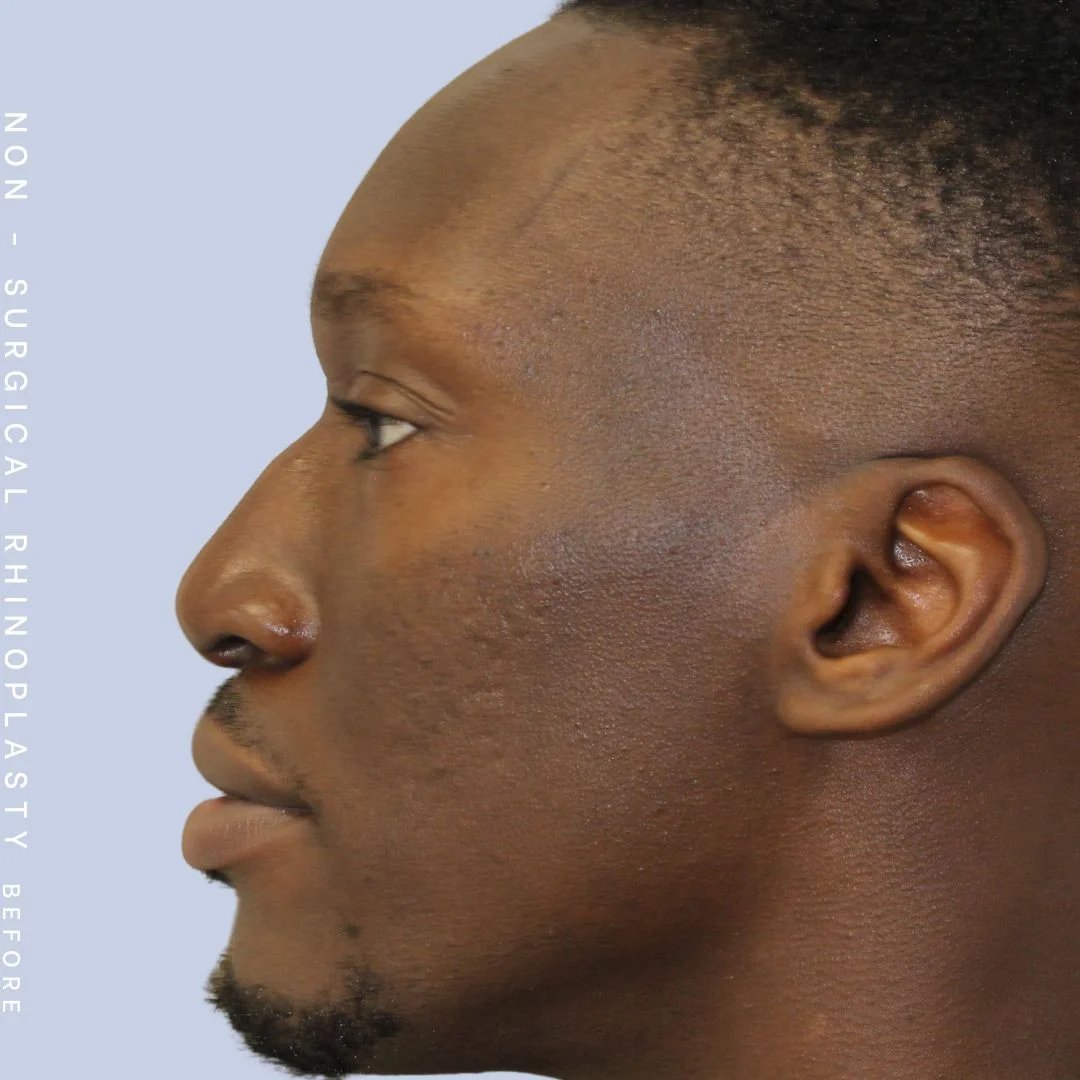
Procedure:
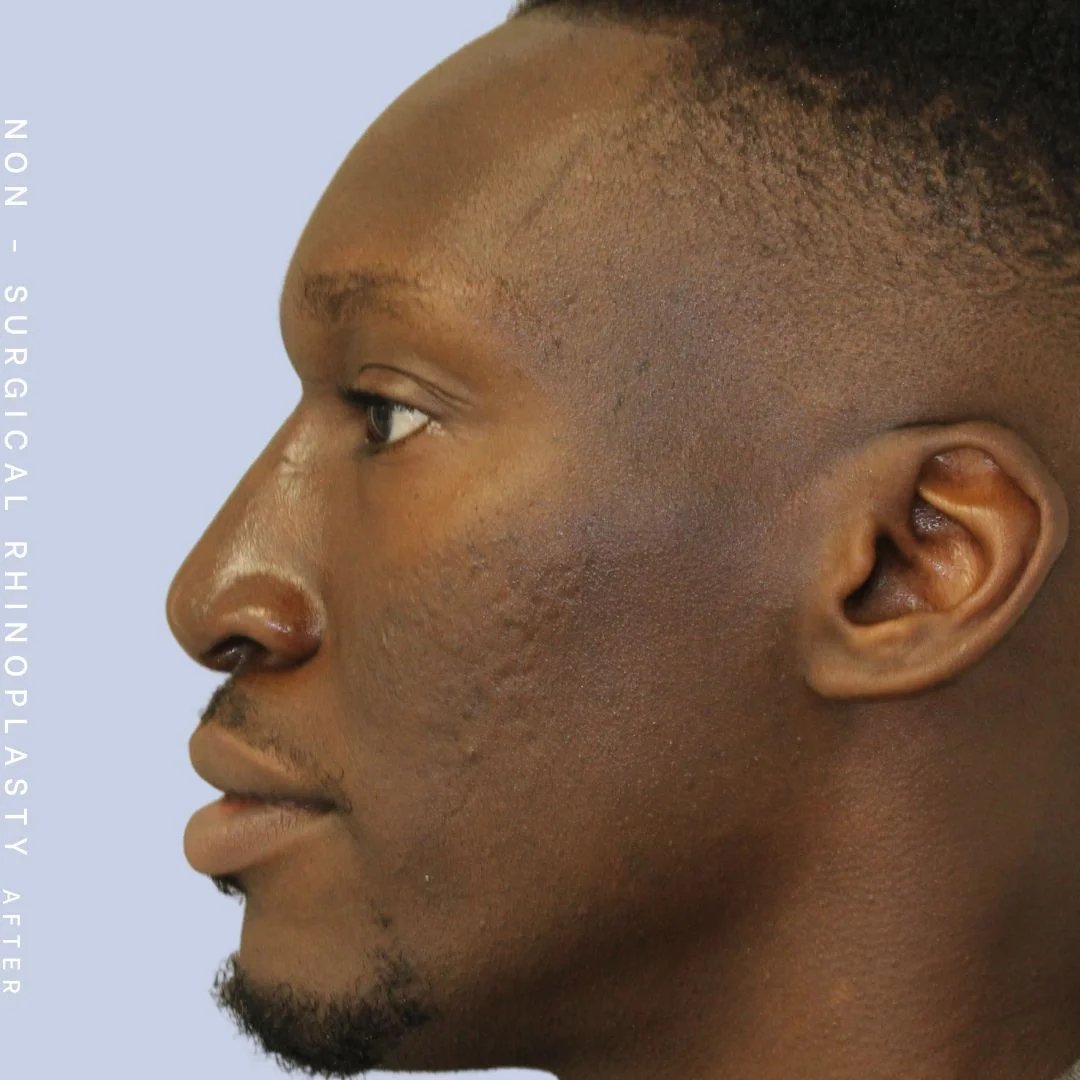
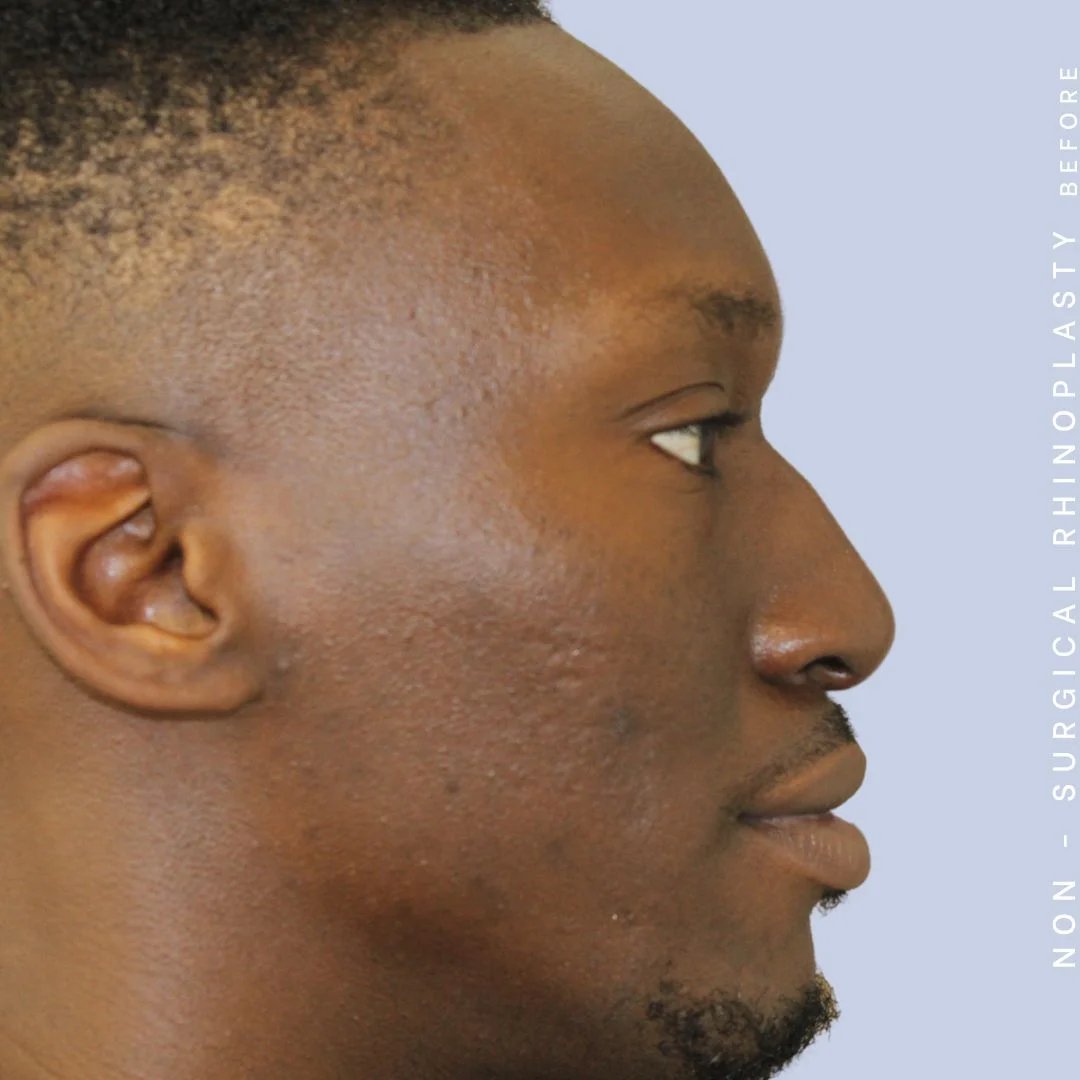
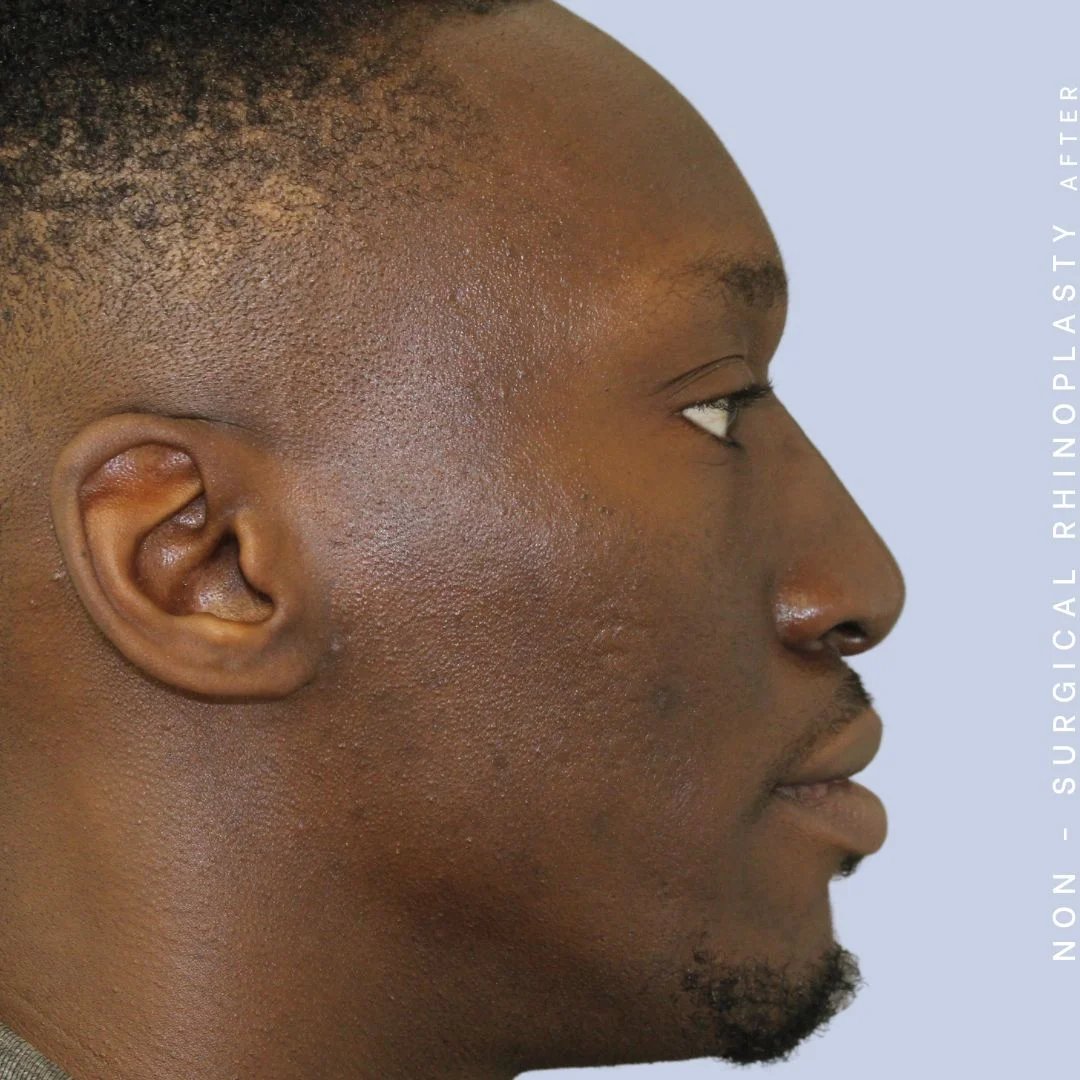
Non-Surgical Rhinoplasty
Individual results may vary.
Patient 6
Procedure:
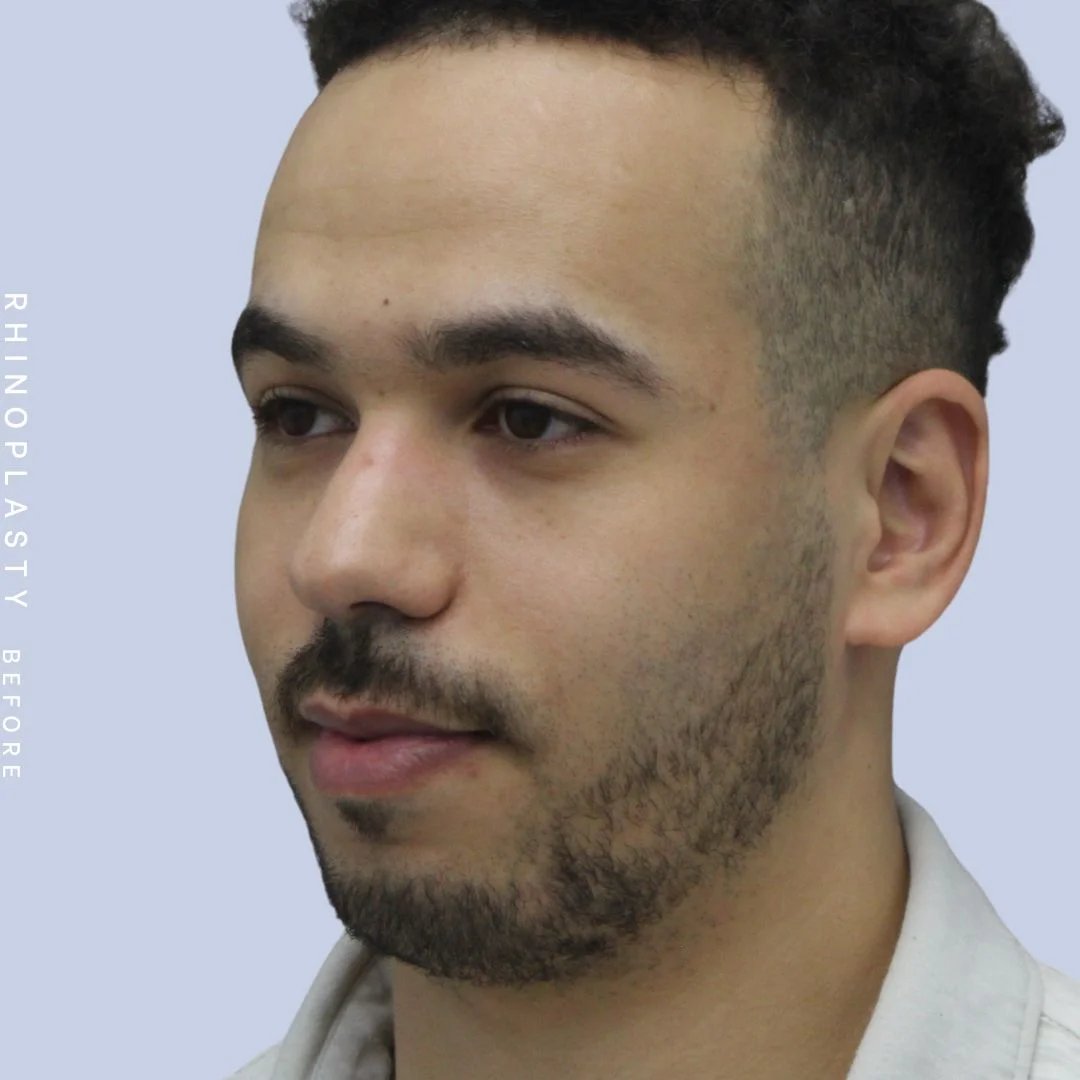
Rhinoplasty
Individual results may vary.



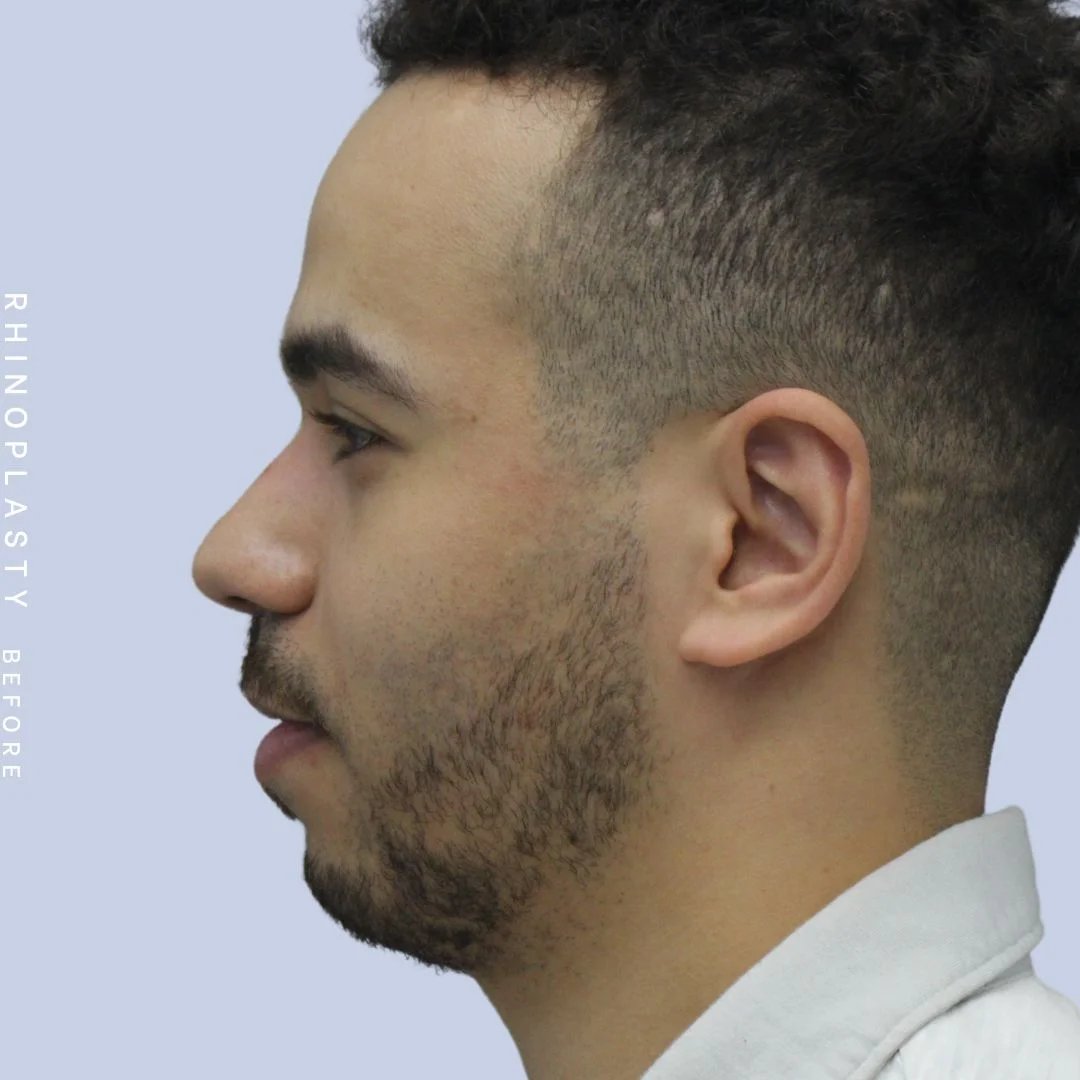
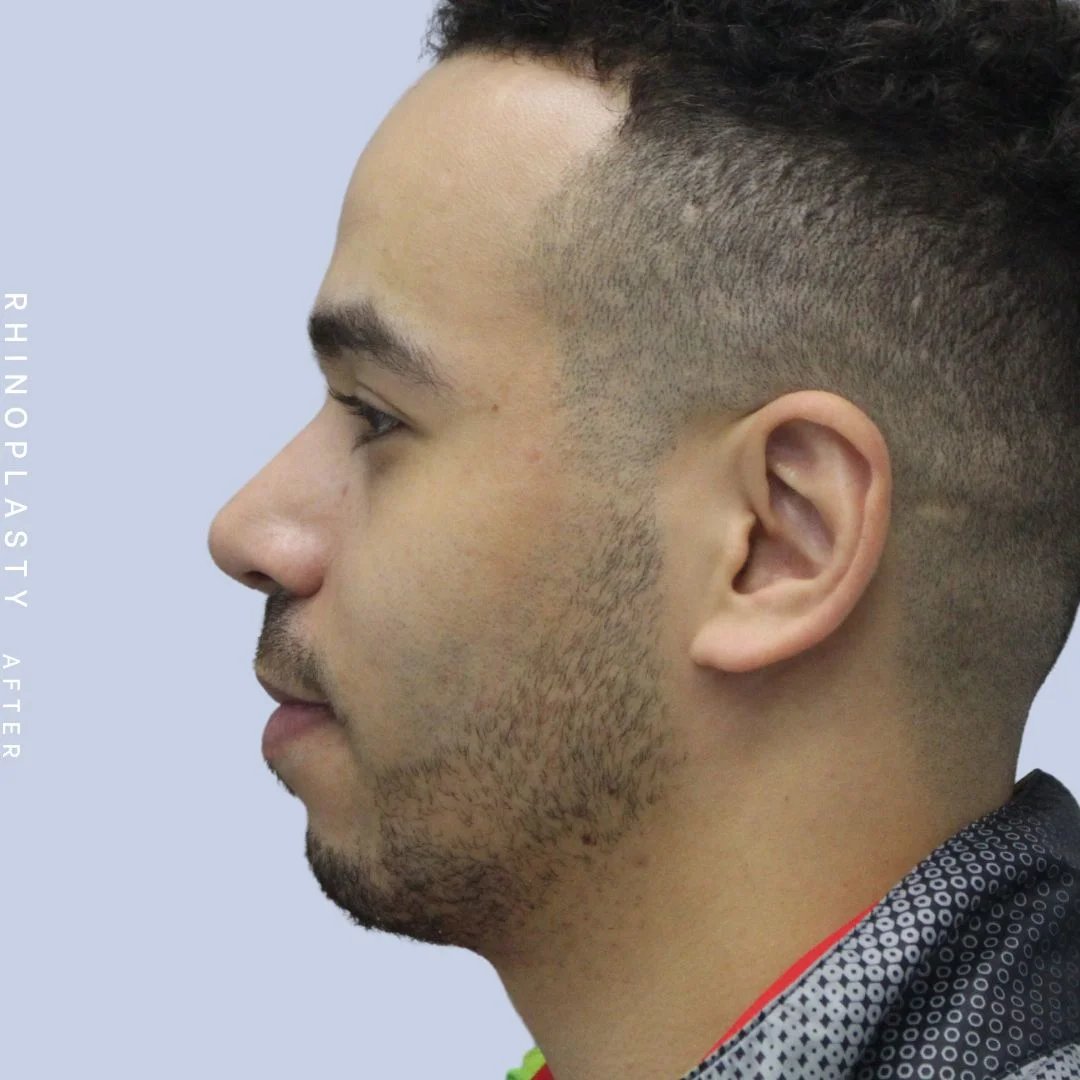
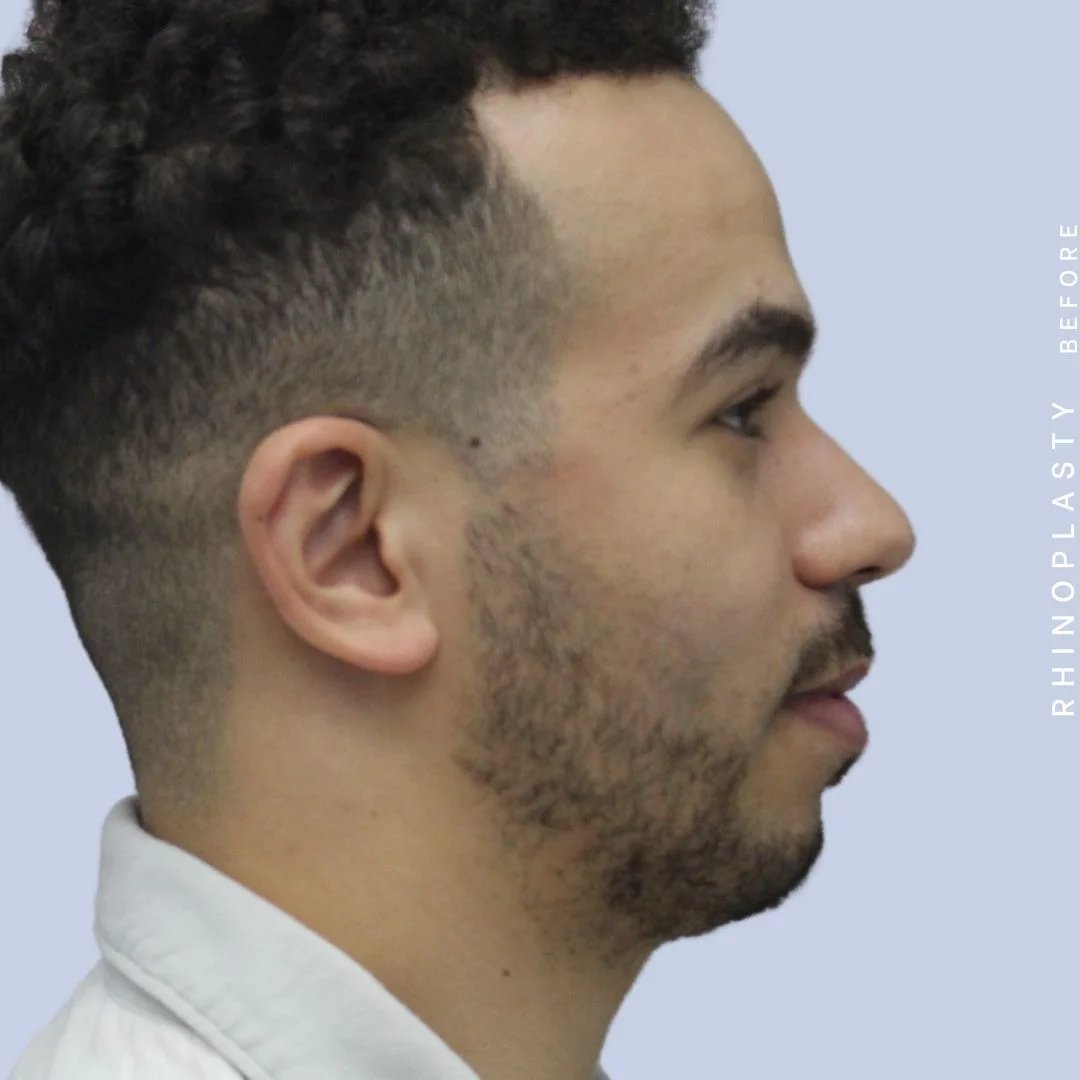
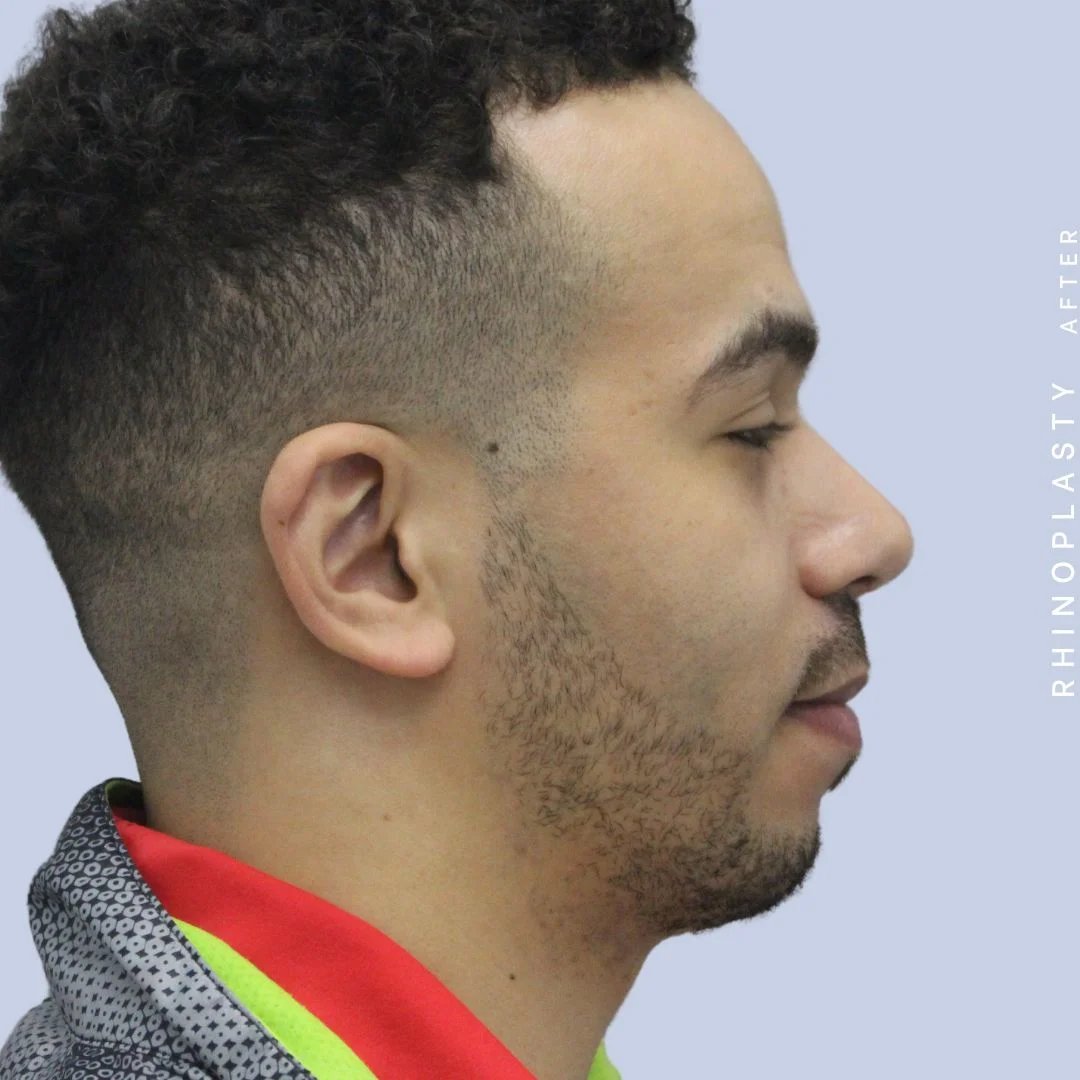
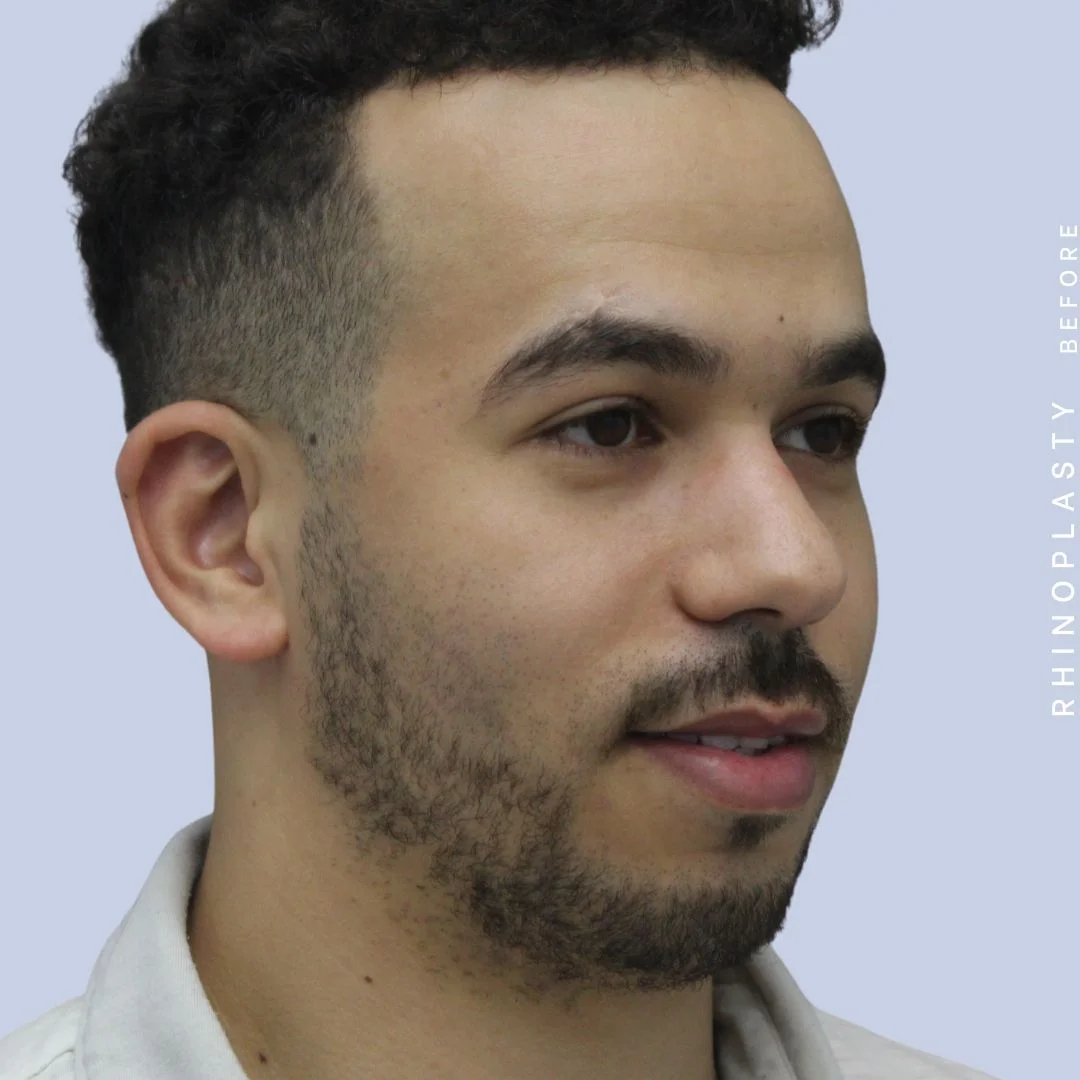
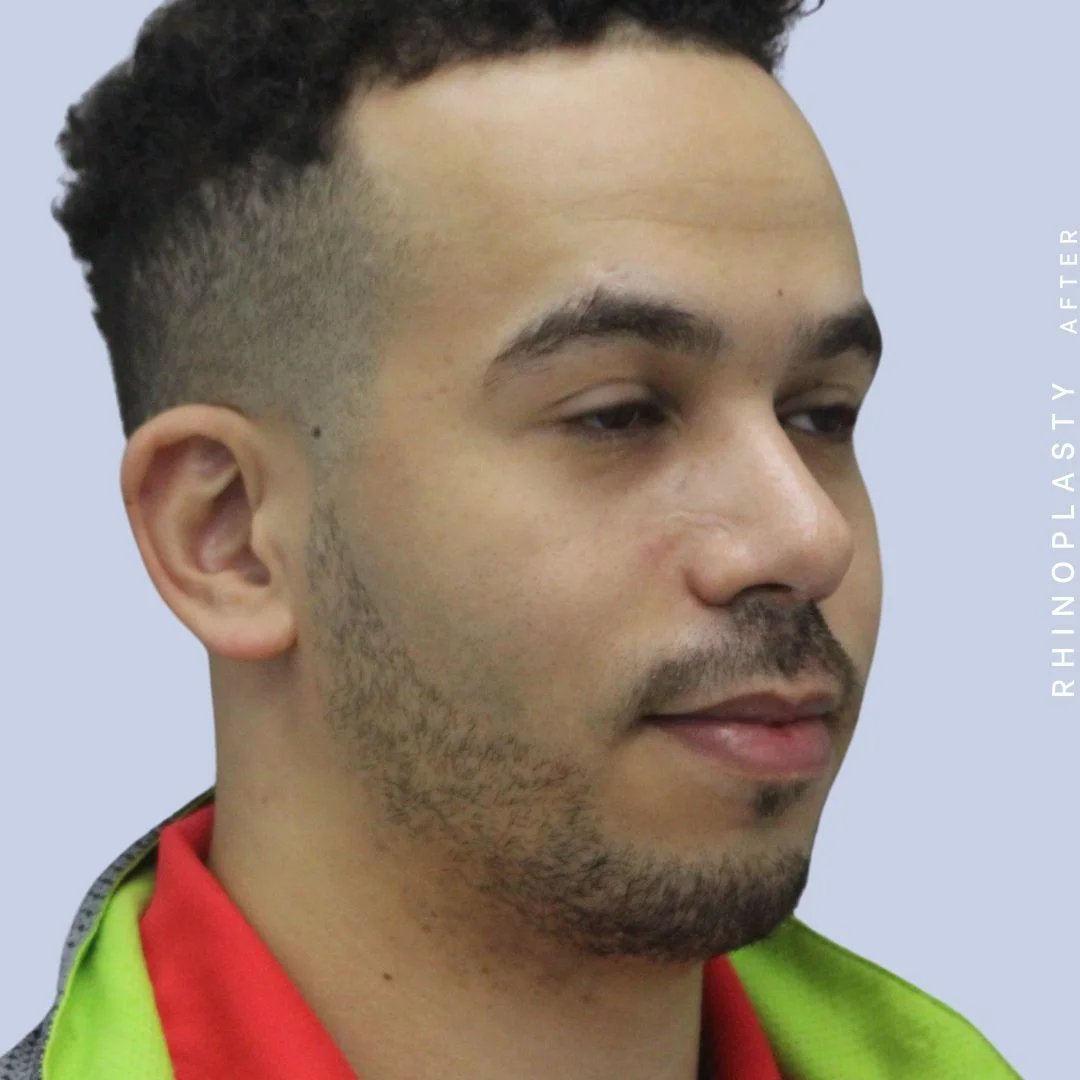
Patient 7
Procedure:
African American Primary Septorhinoplasty
Individual results may vary.


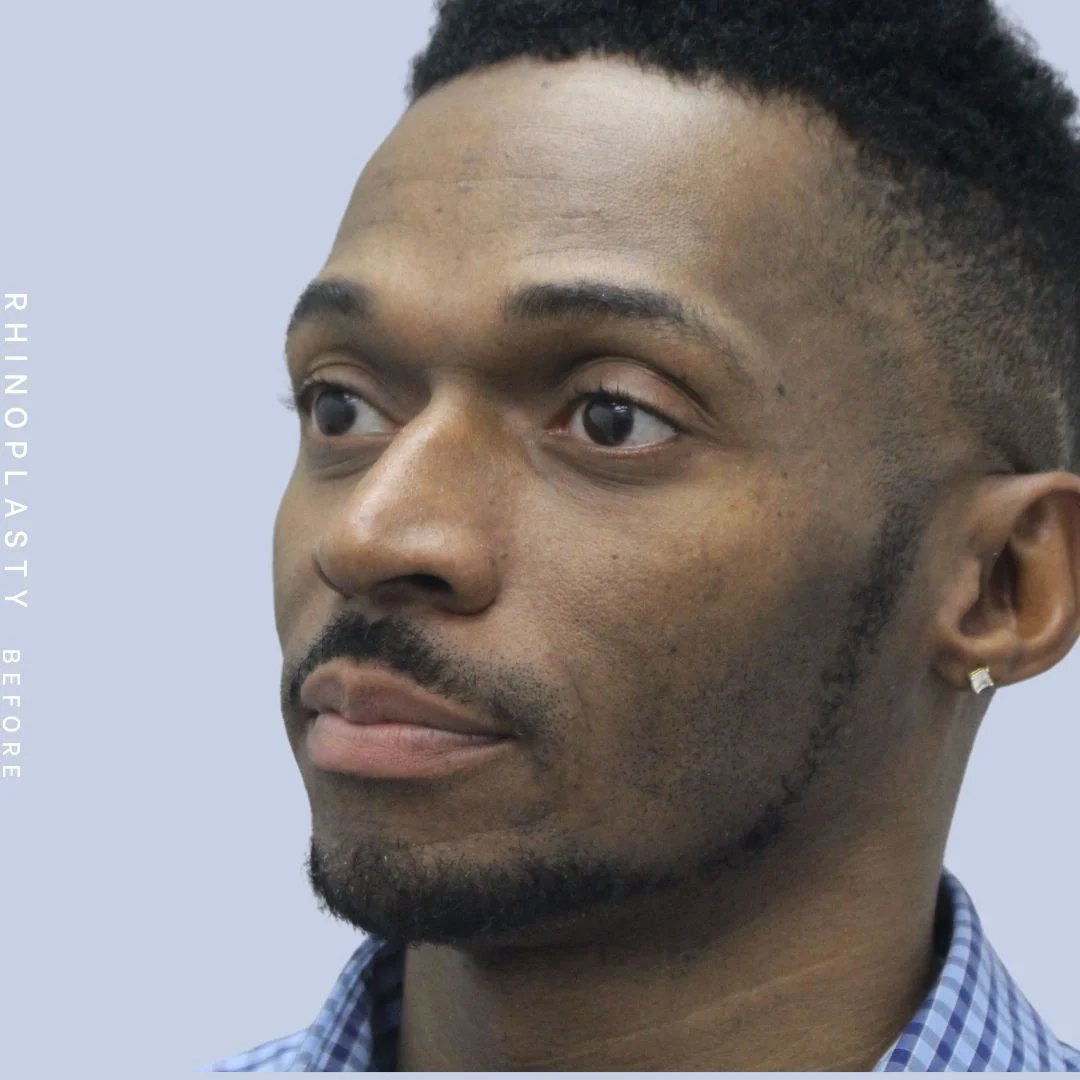

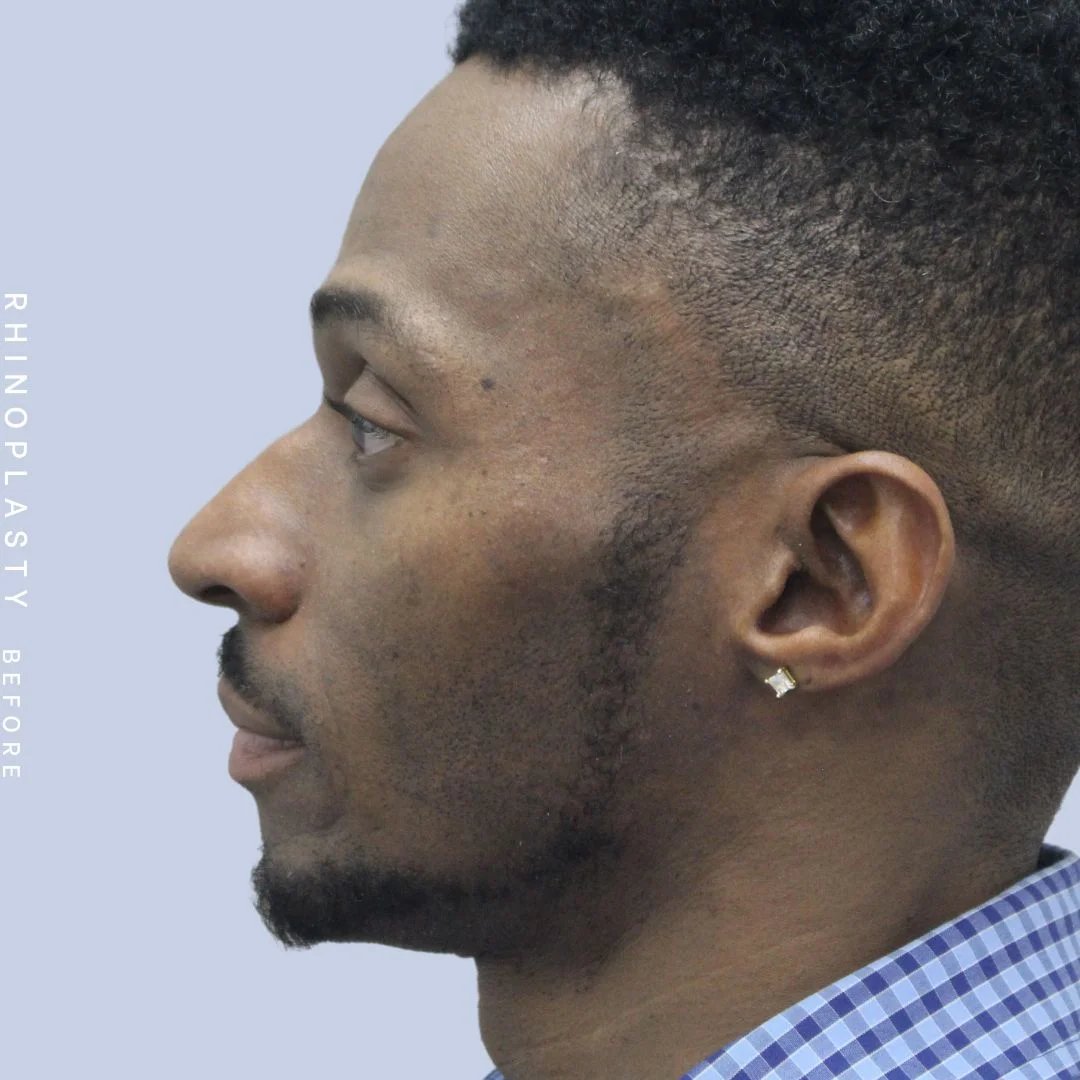


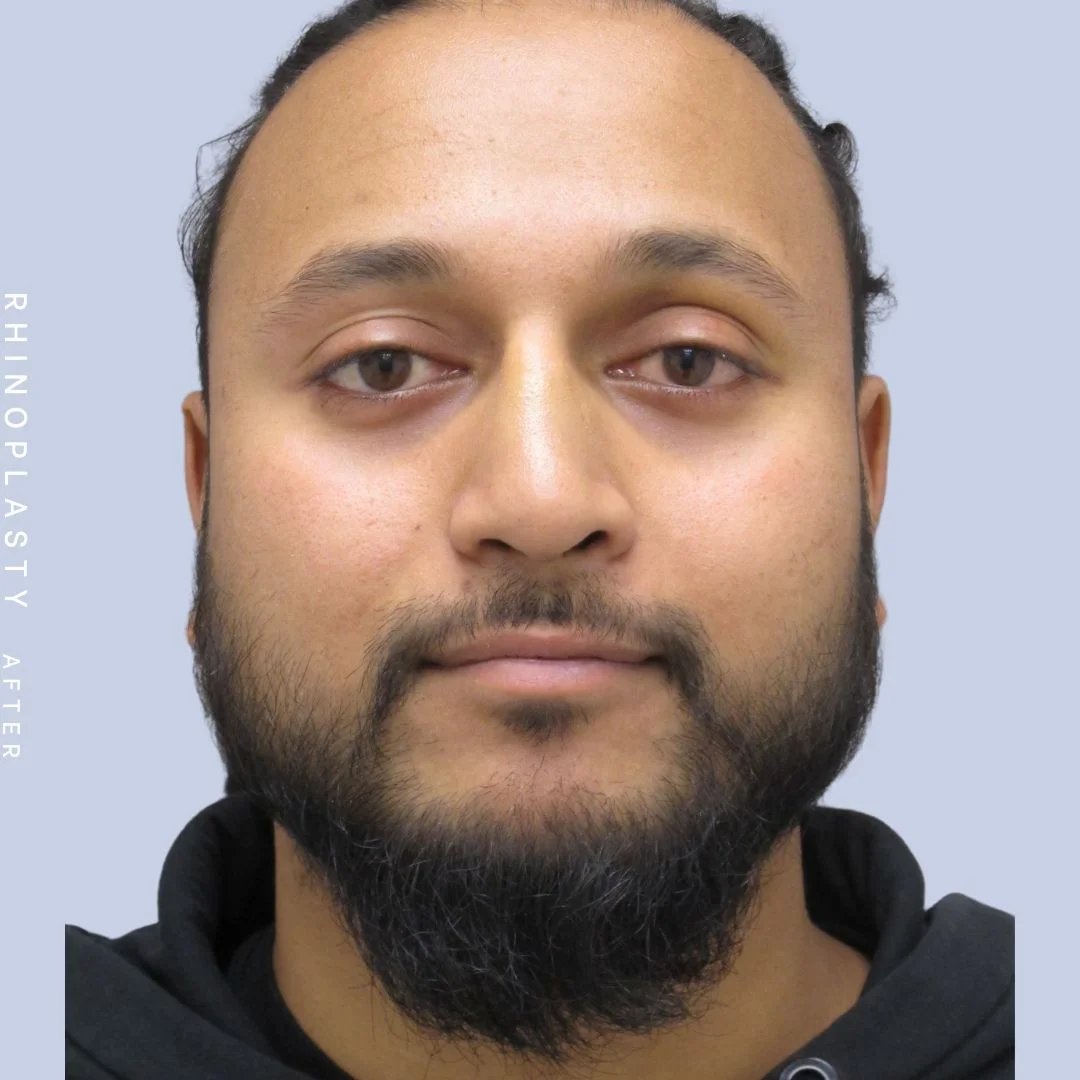
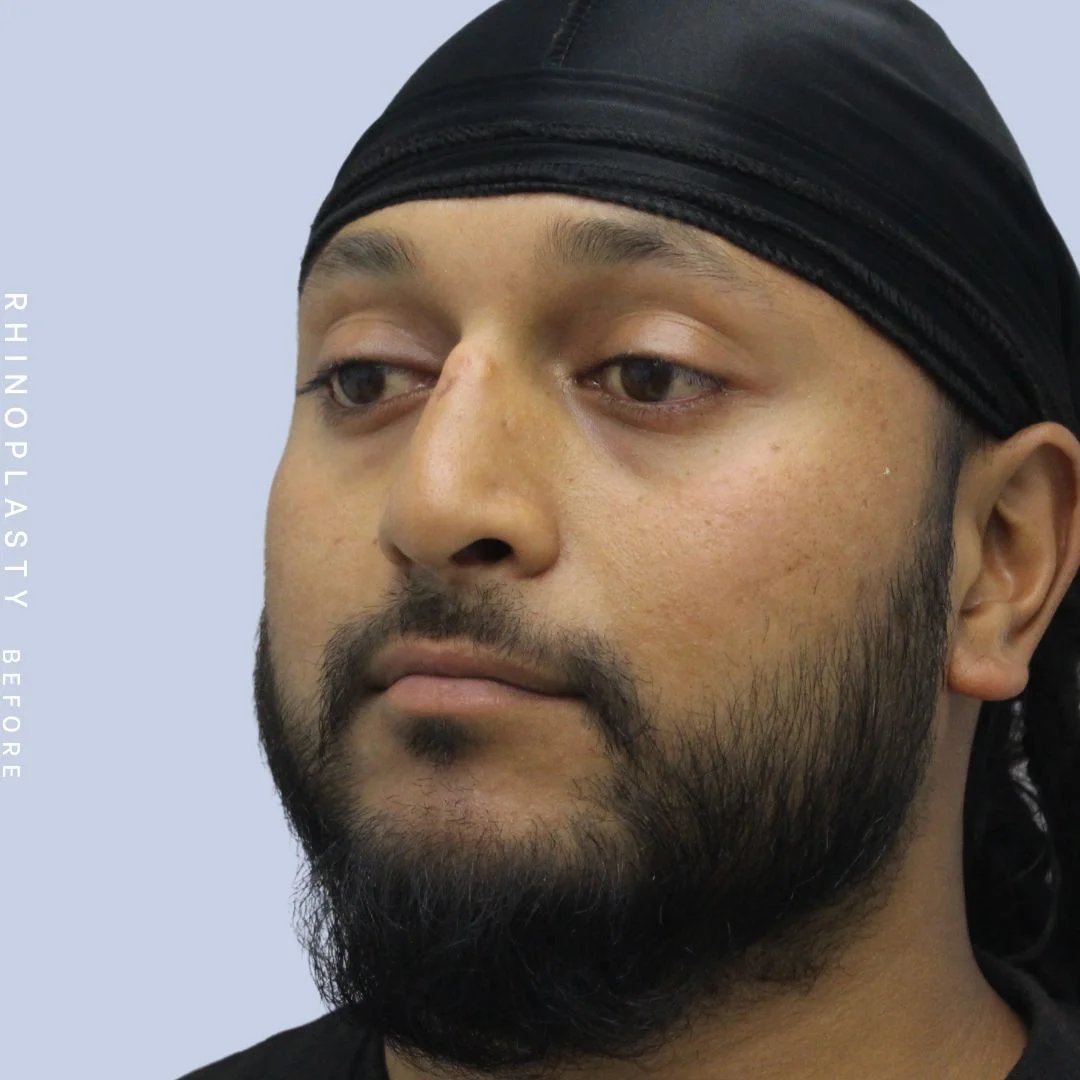
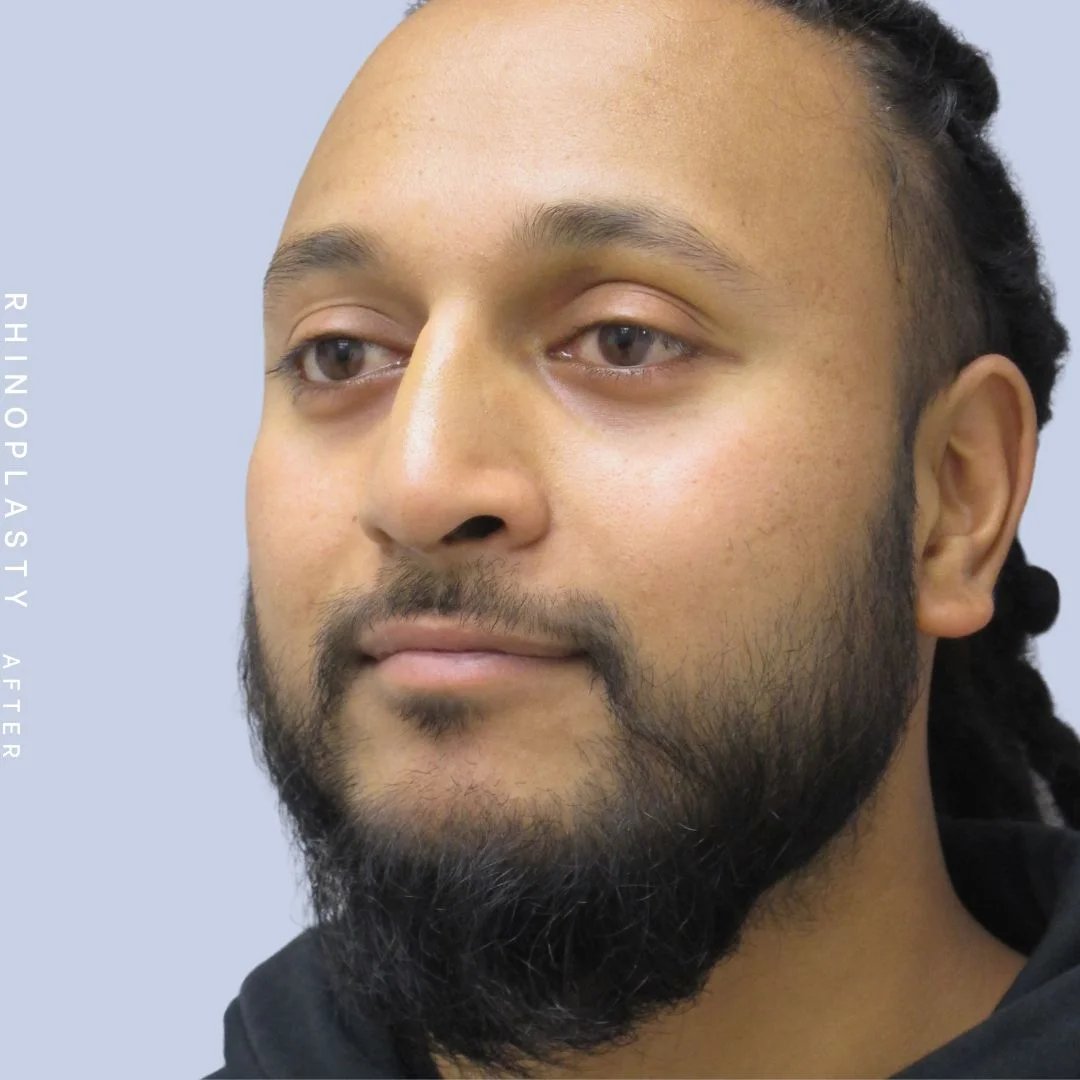
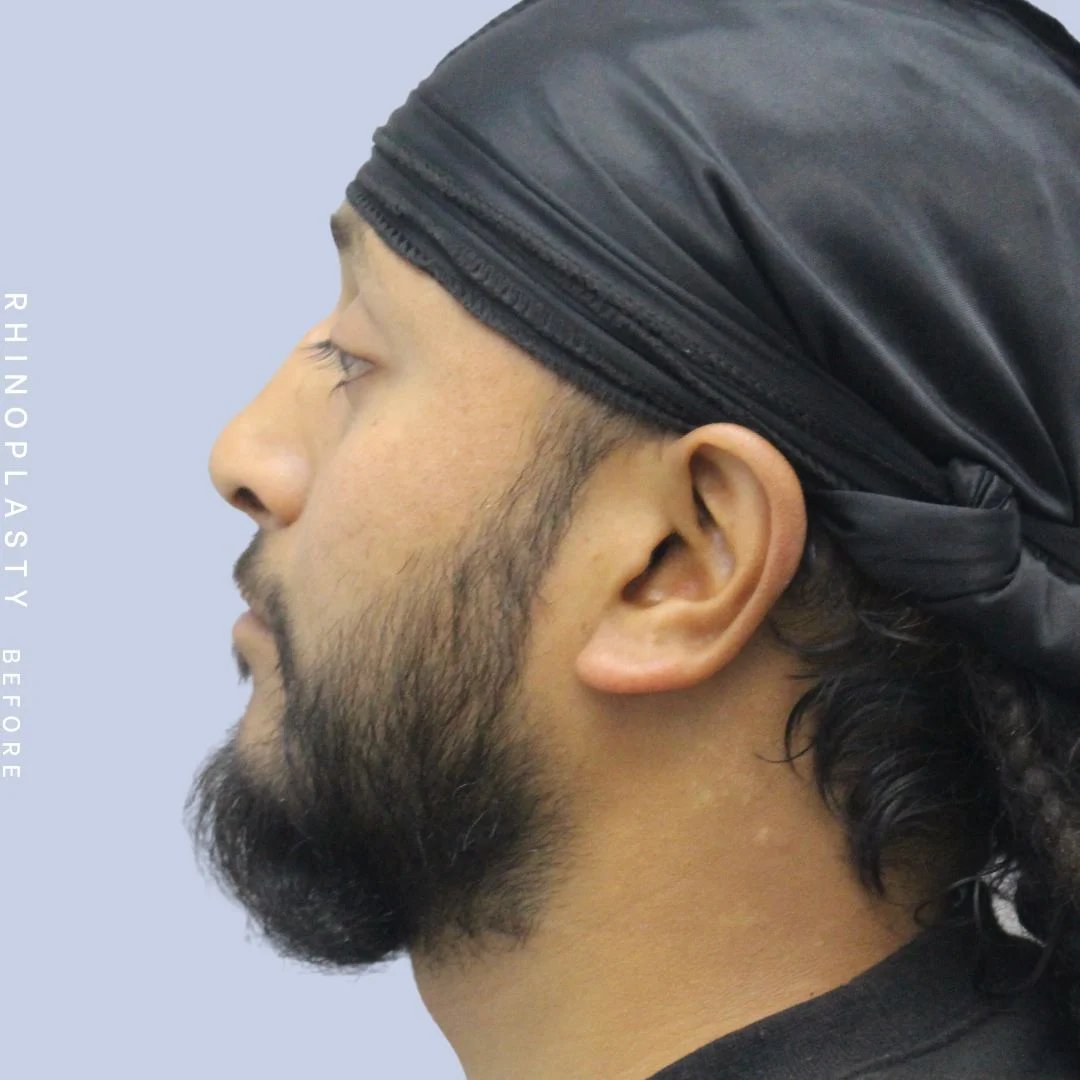
Patient 8
Procedure:
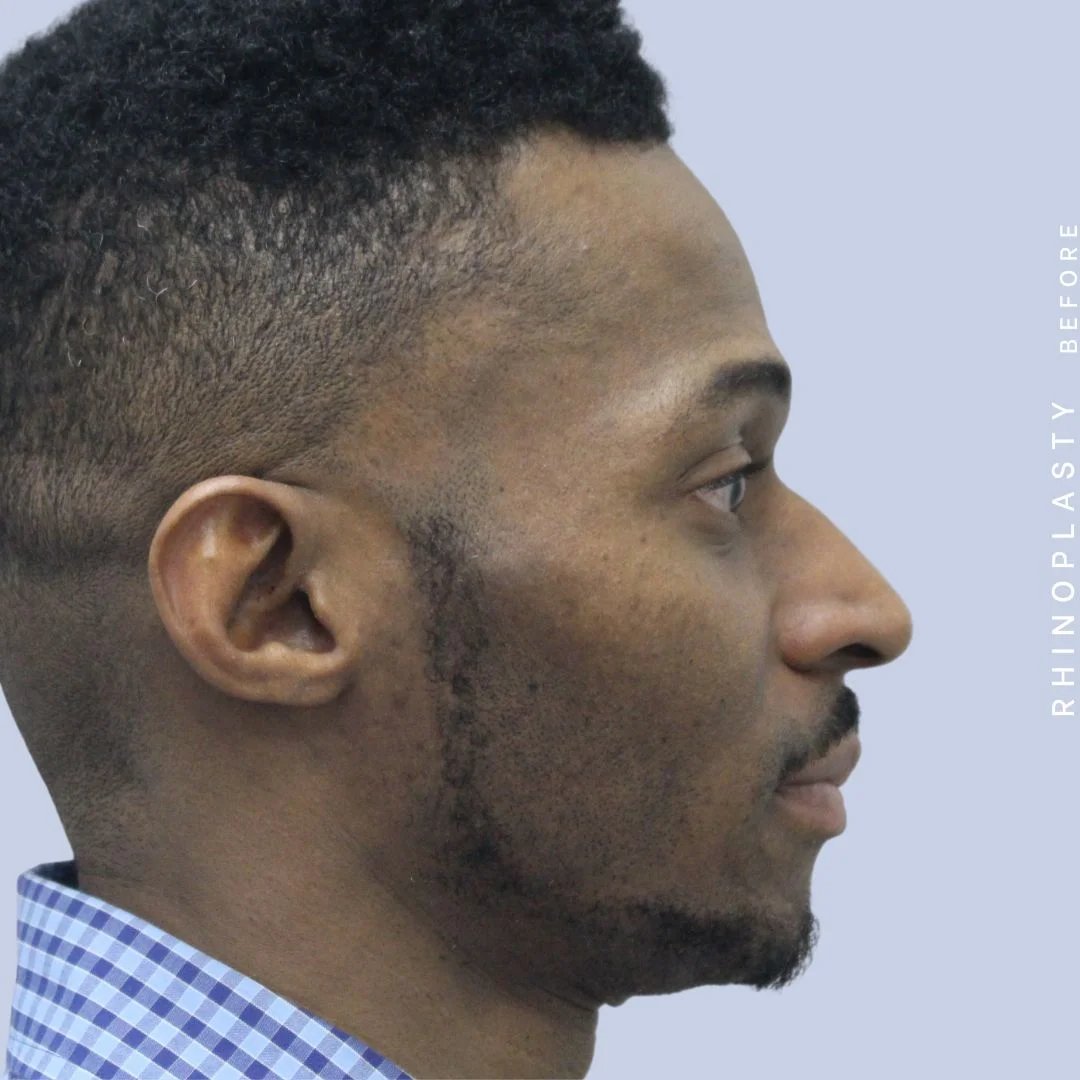
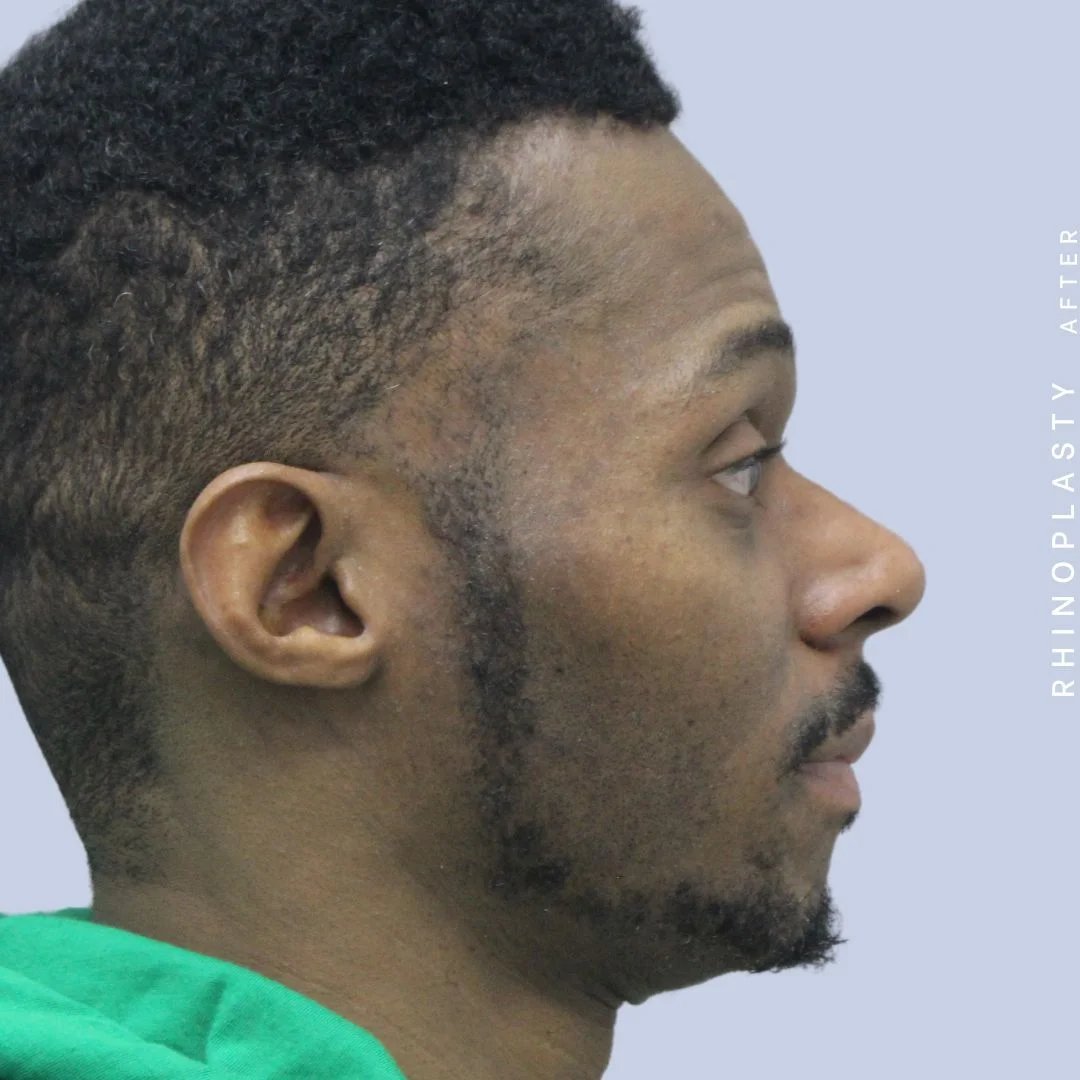
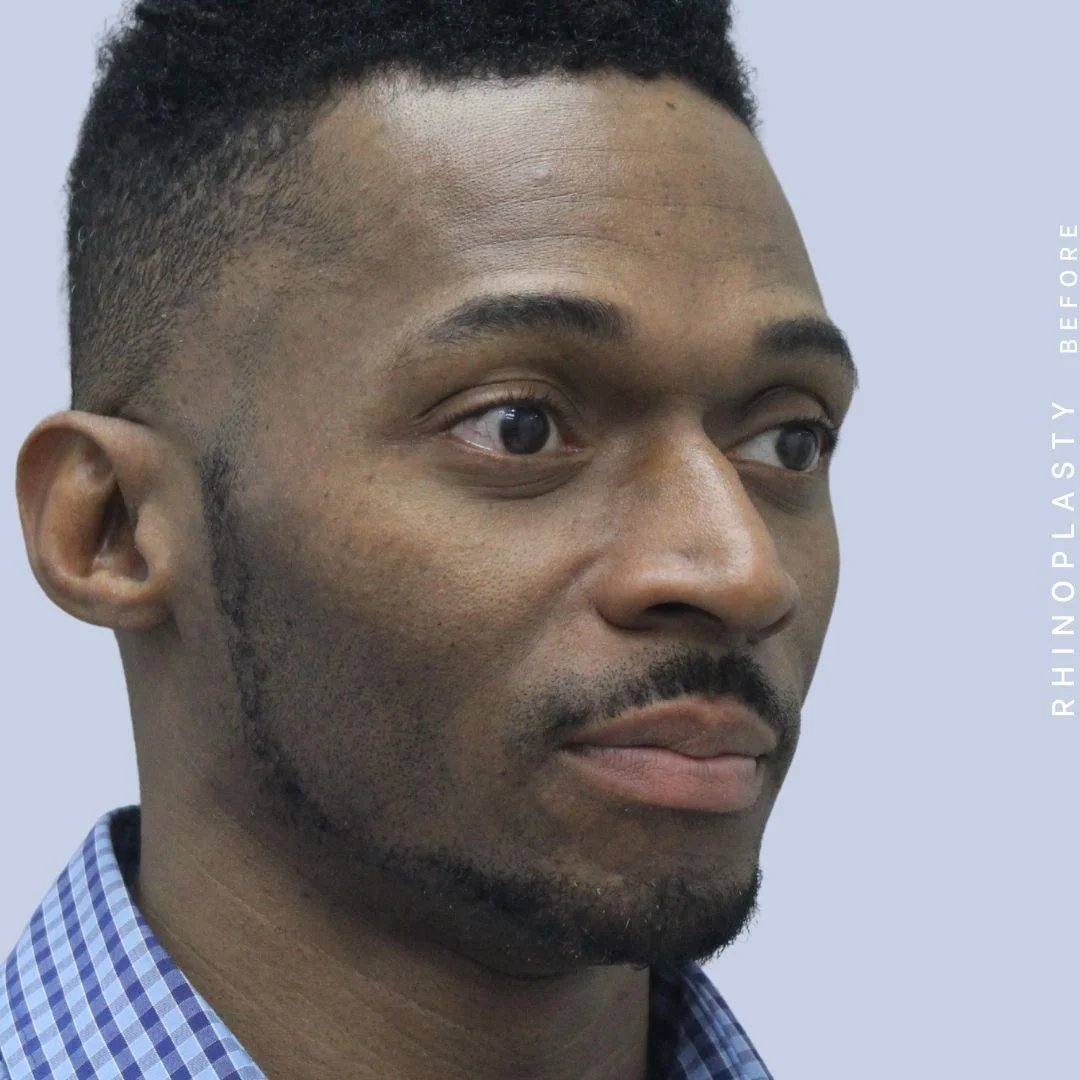
Secondary septorhinoplasty after nasal trauma.
Nasal hump only slightly reduced as per request of patient. Scar at nasal bridge removed.
Individual results may vary.
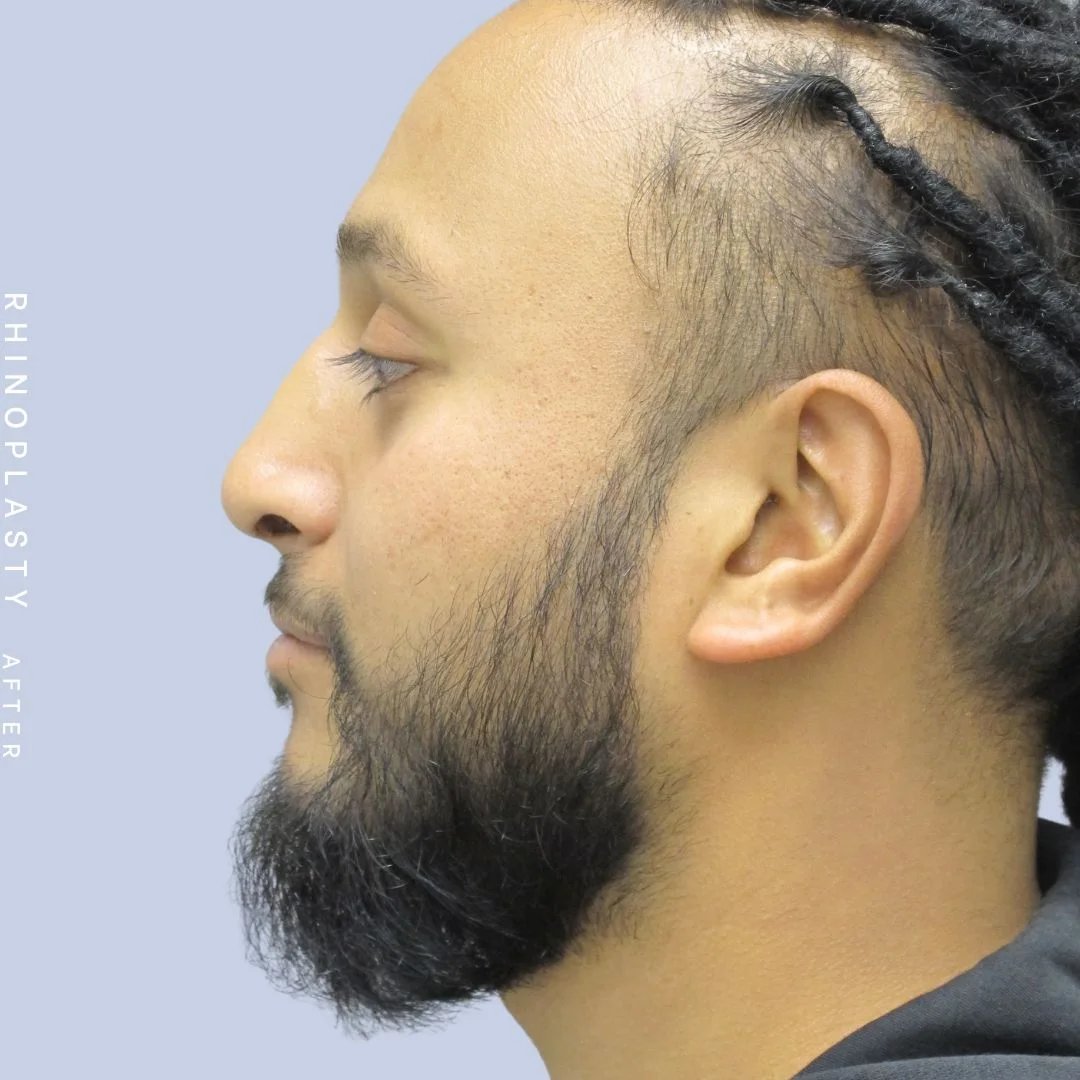
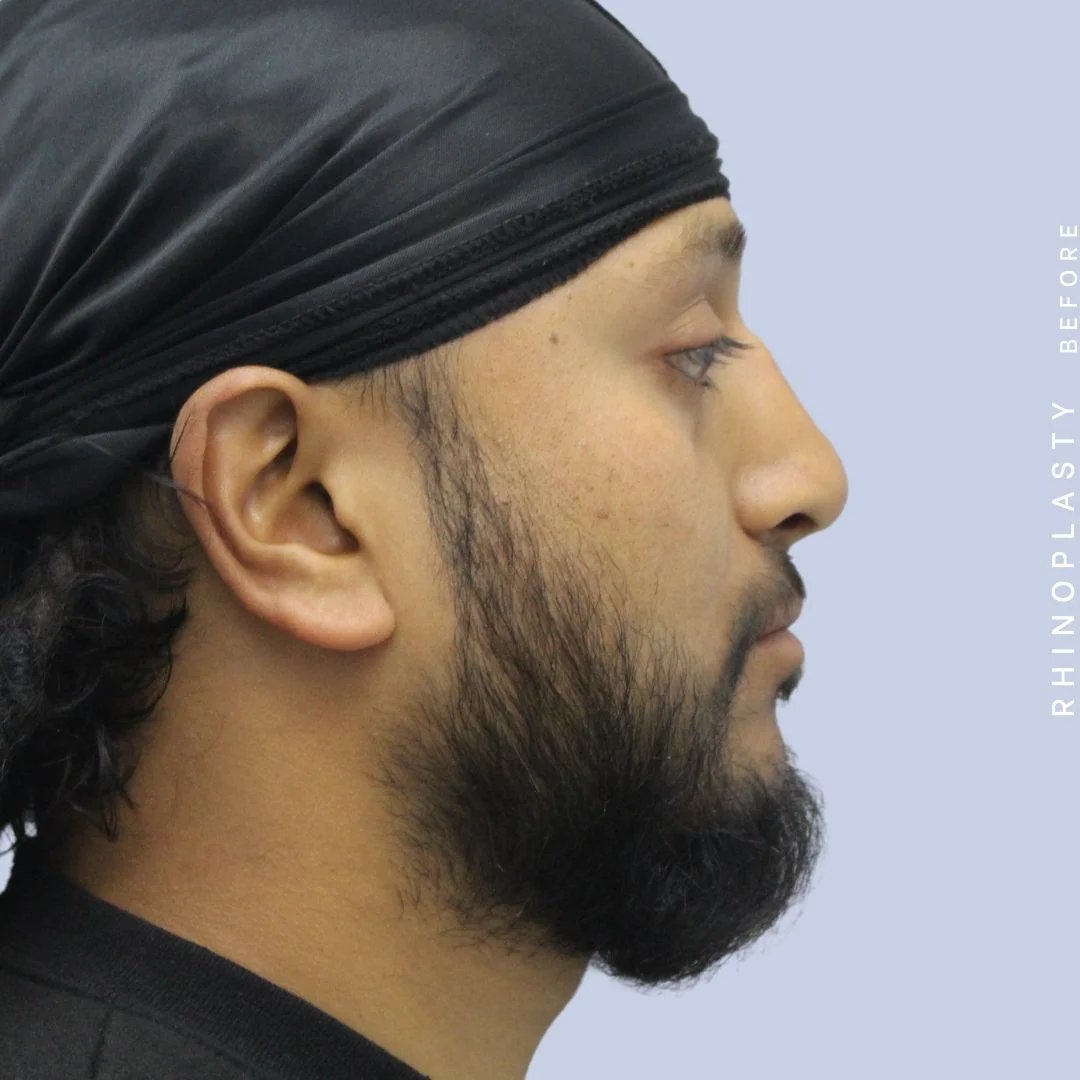
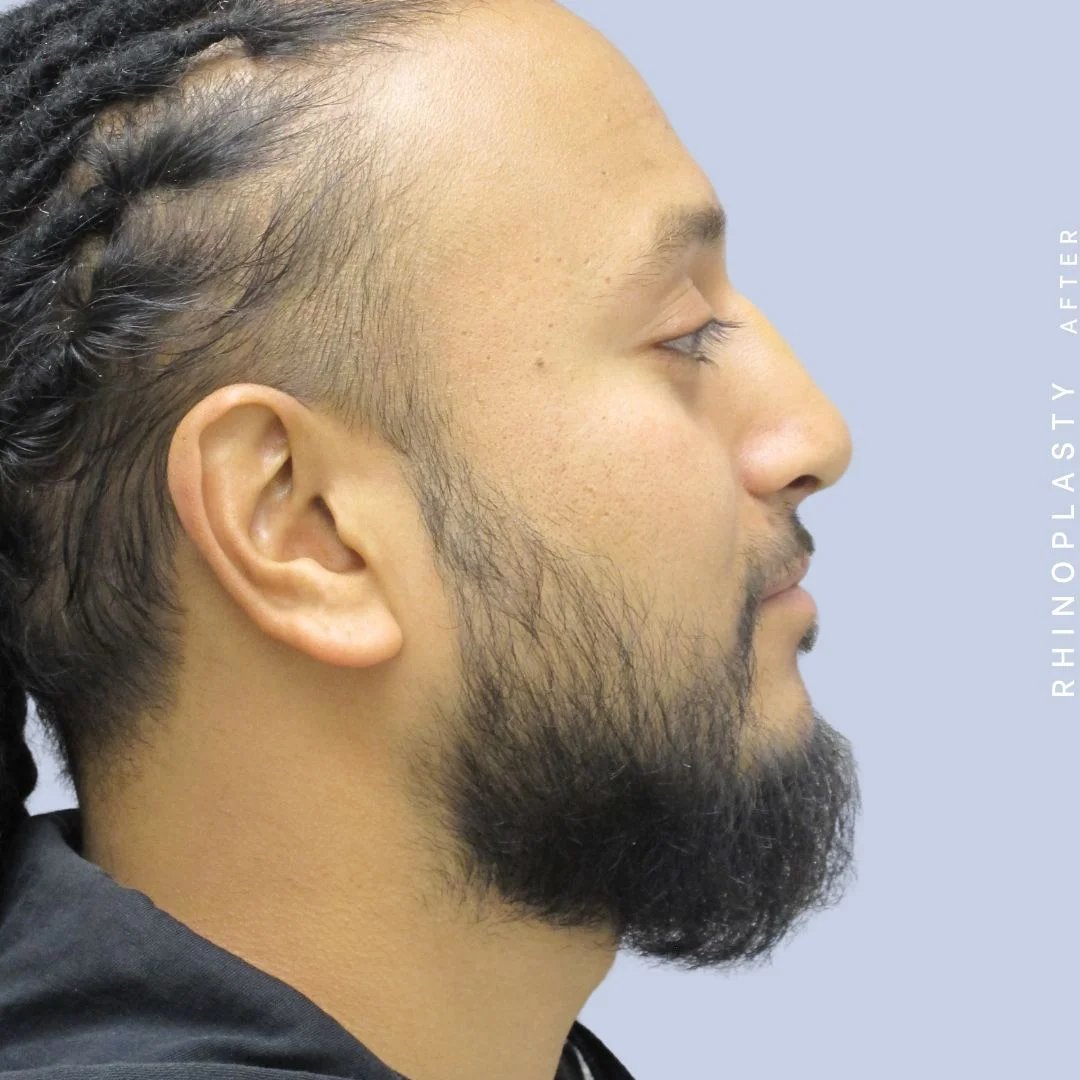
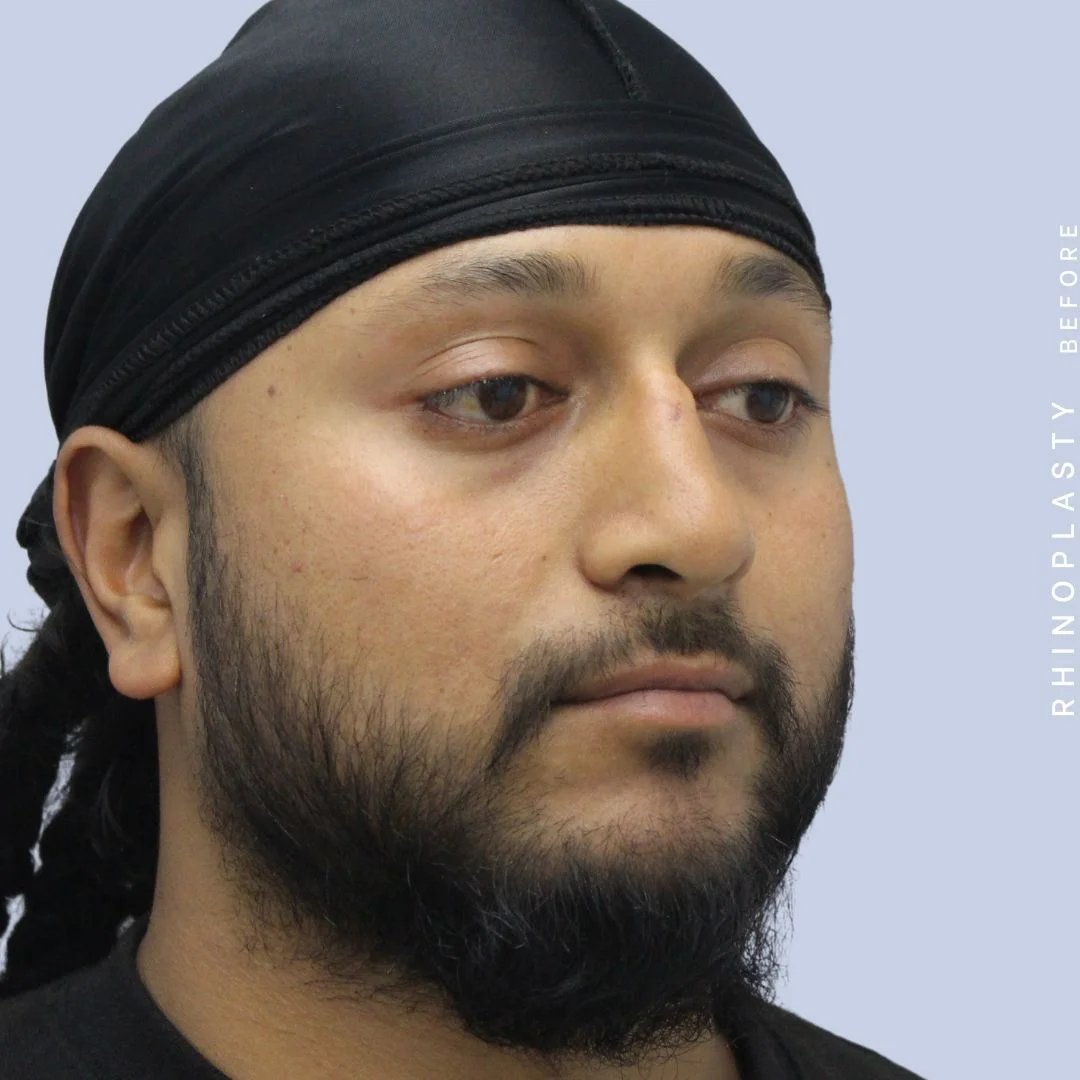
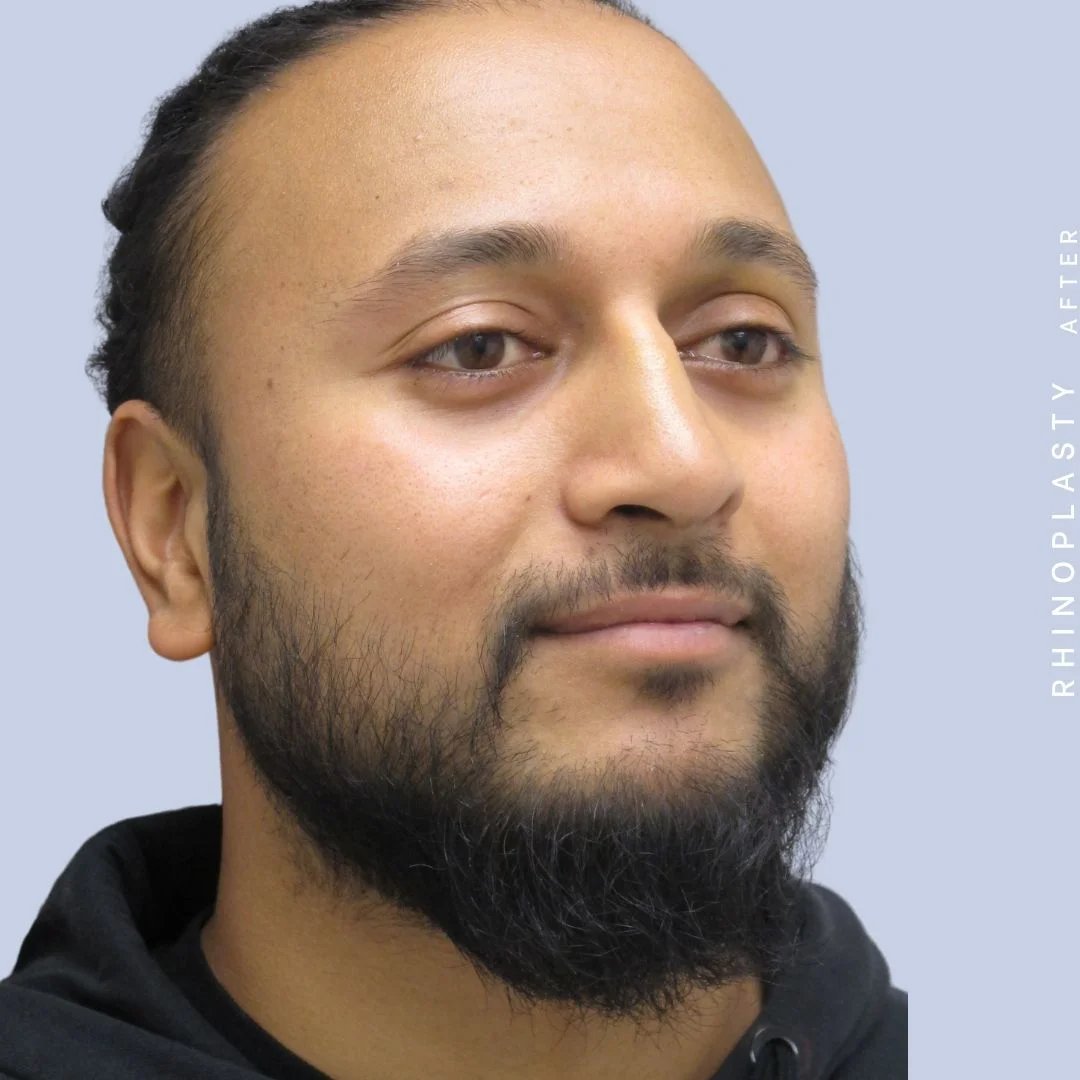
Patient 9
Procedure:
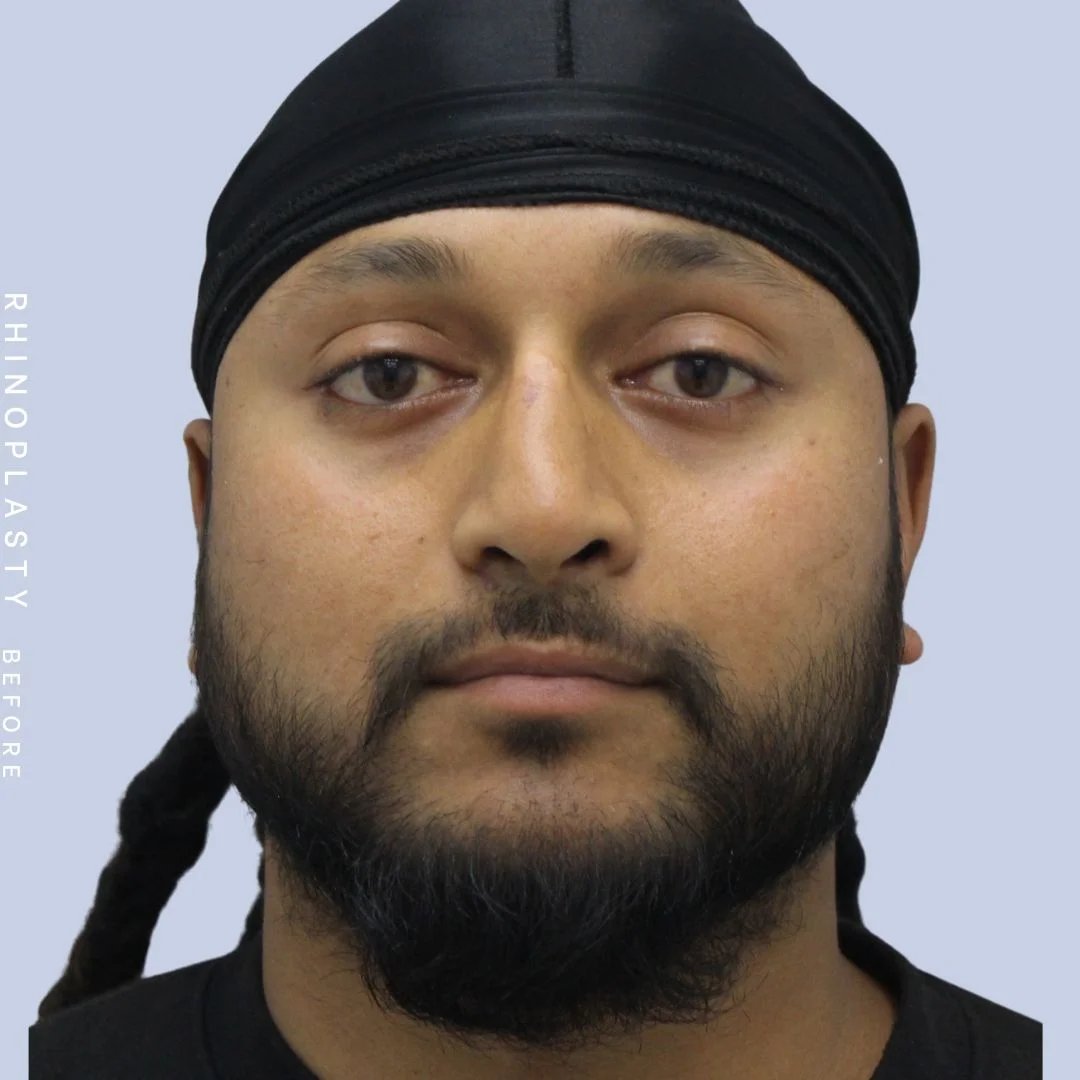
Primary septorhinoplasty
This patient had undergone multiple traumas to the nose after years in the military leading to collapse of nasal breathing and nasal deformity. Dr. Doshi performed a septorhinoplasty in order to restore breathing and contour.
Individual results may vary.
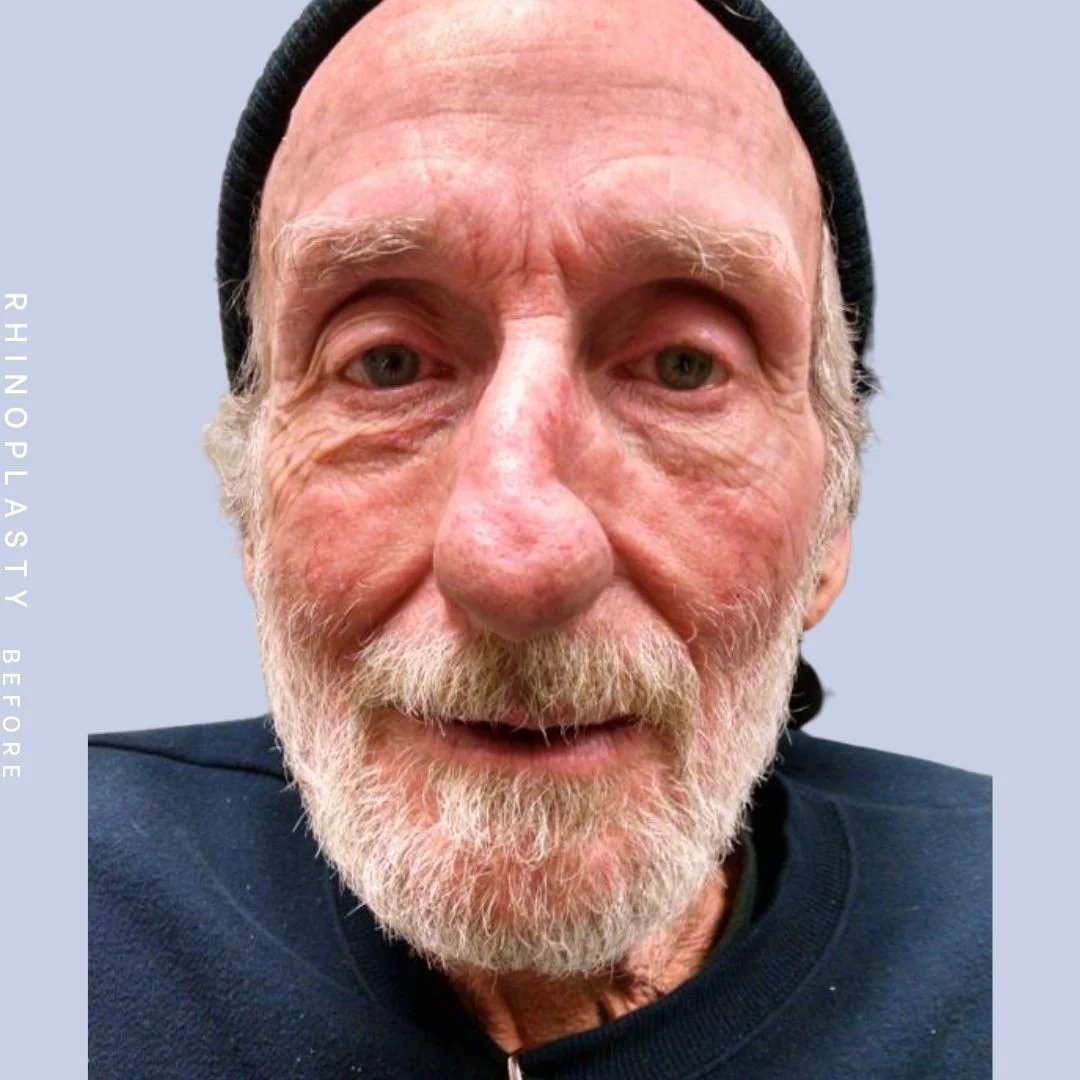
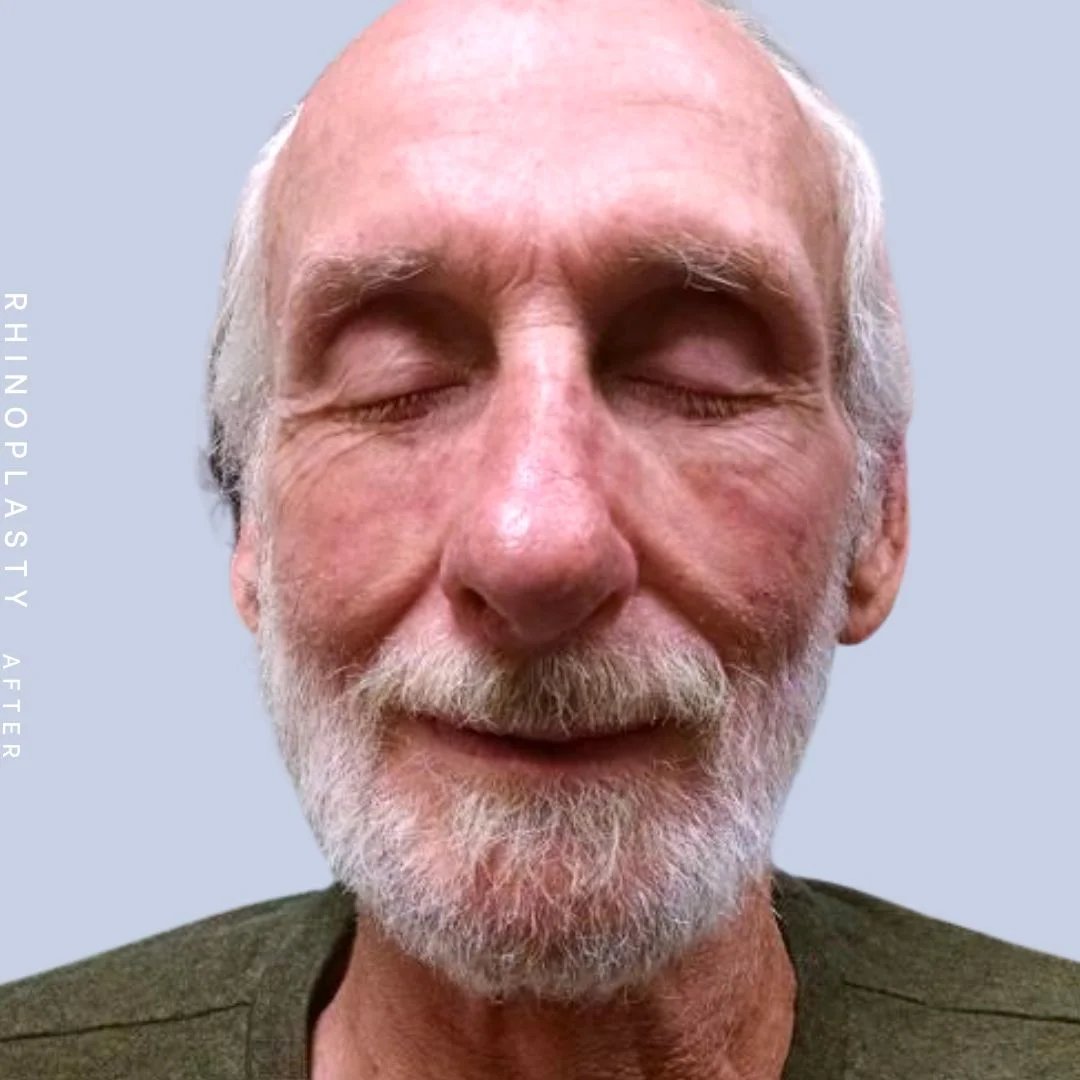
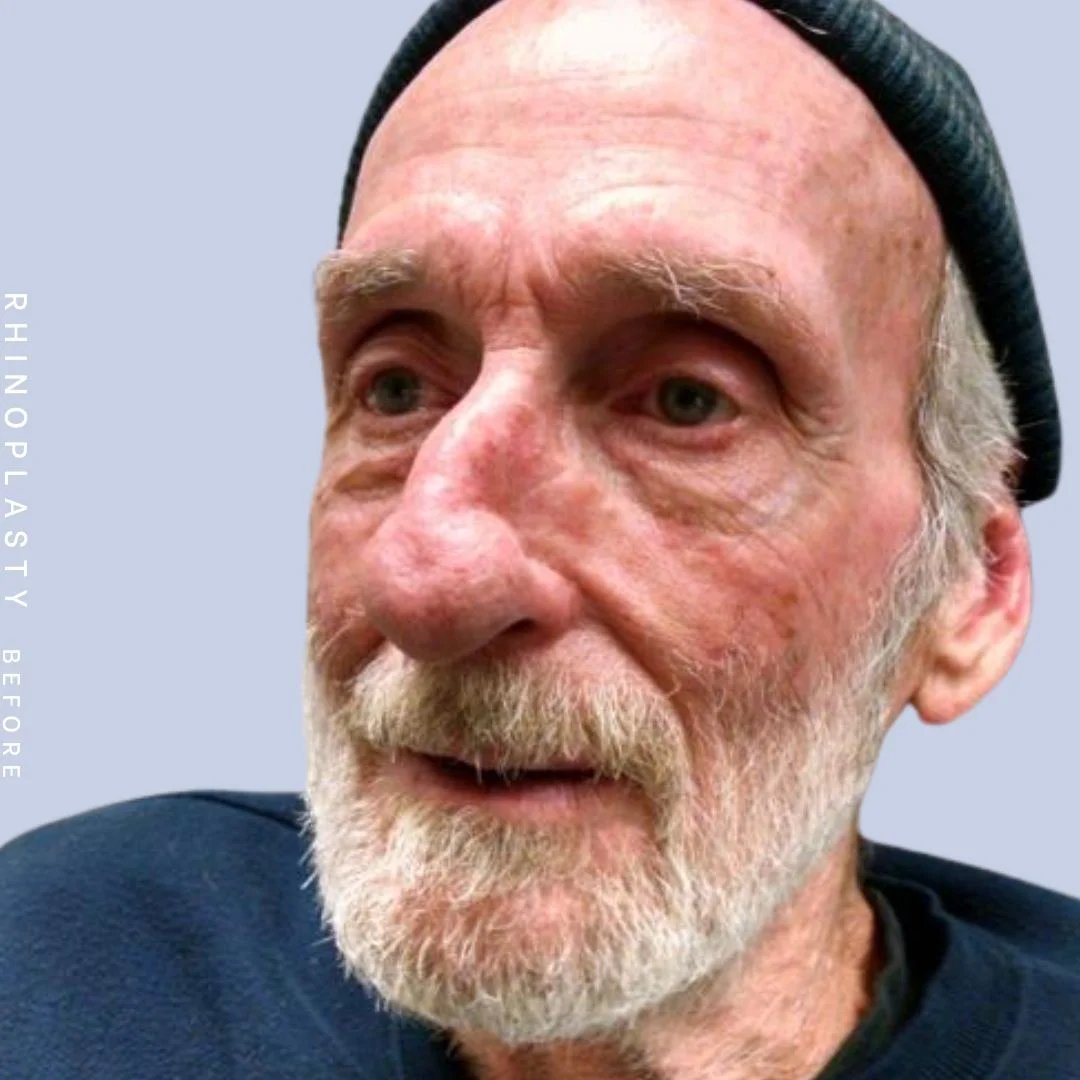
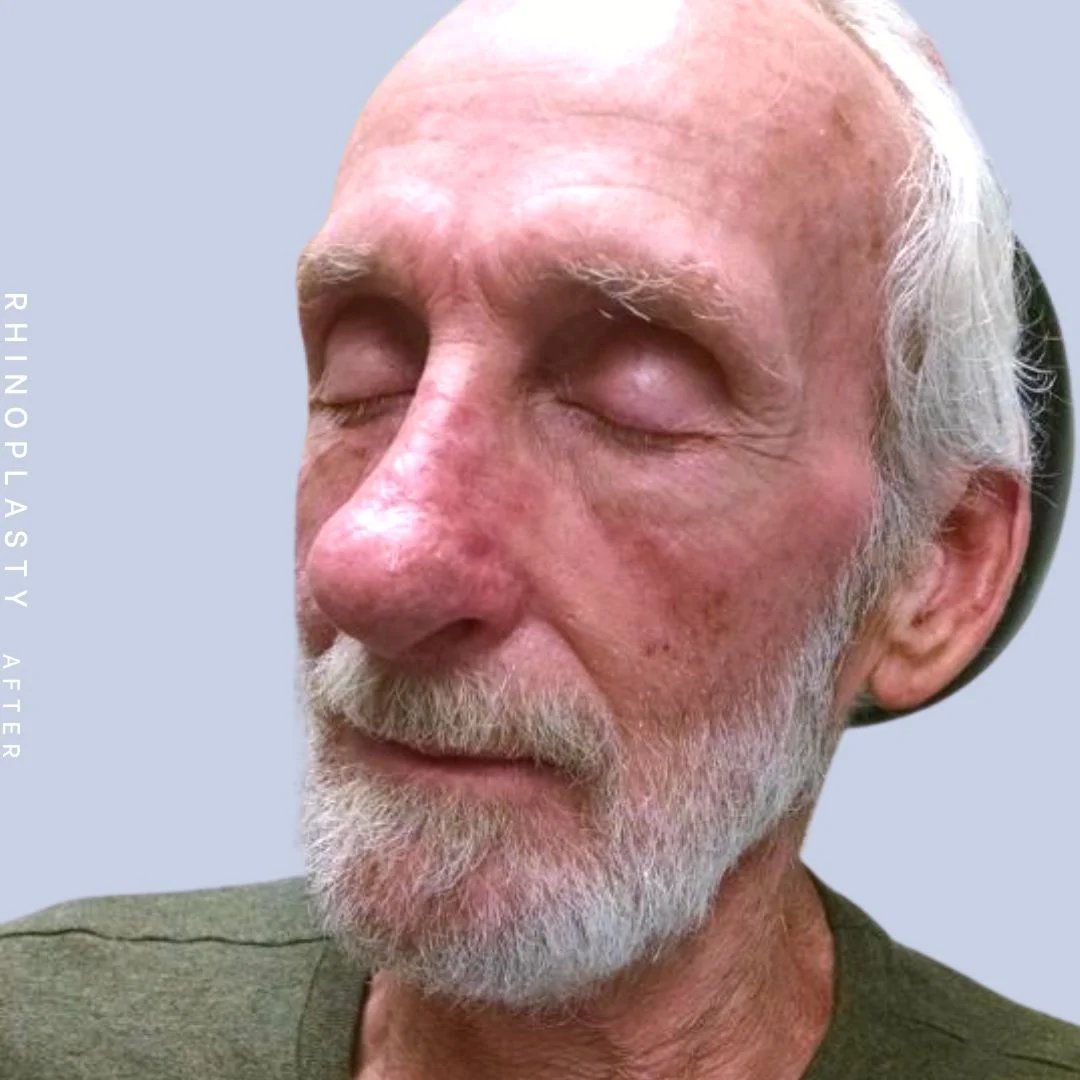
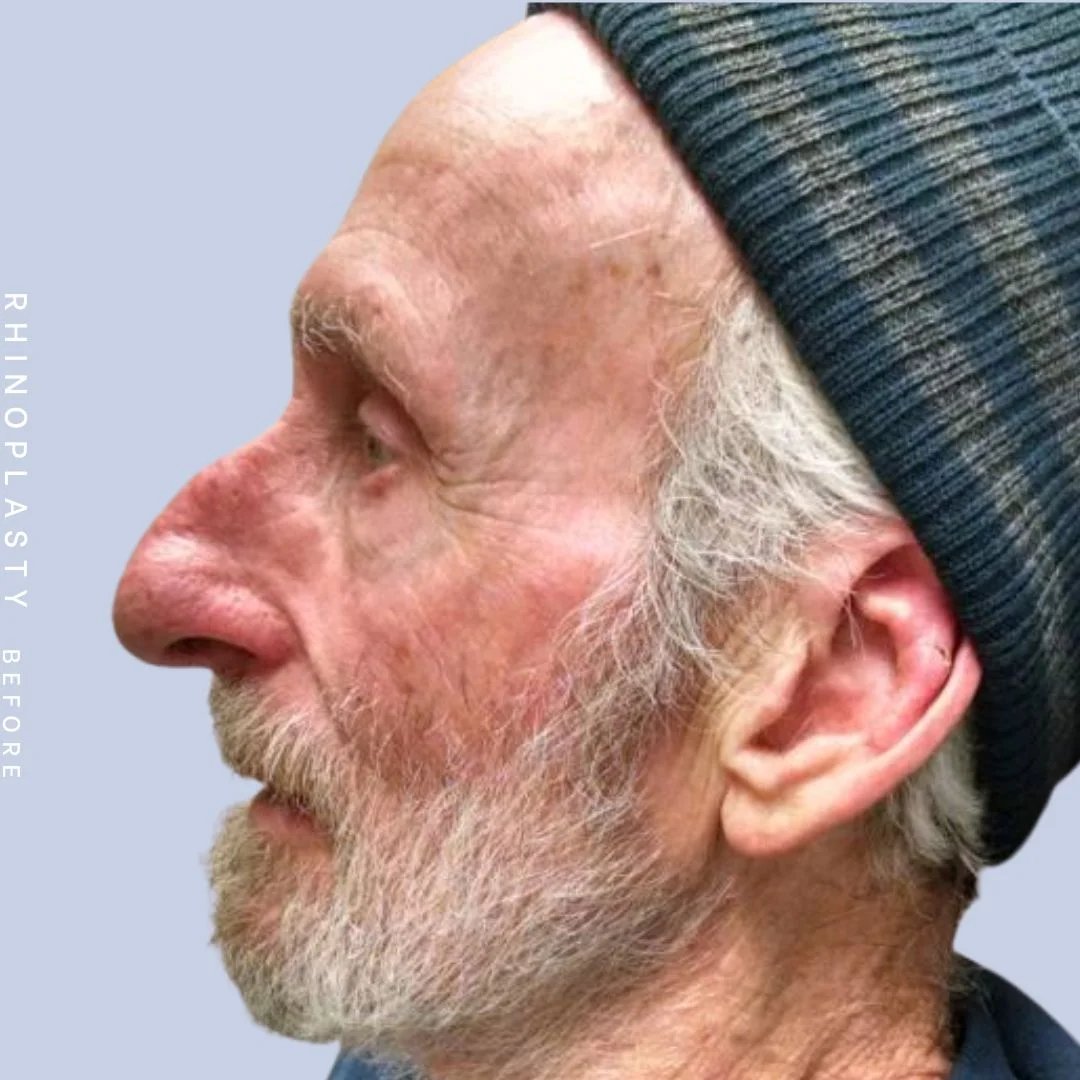
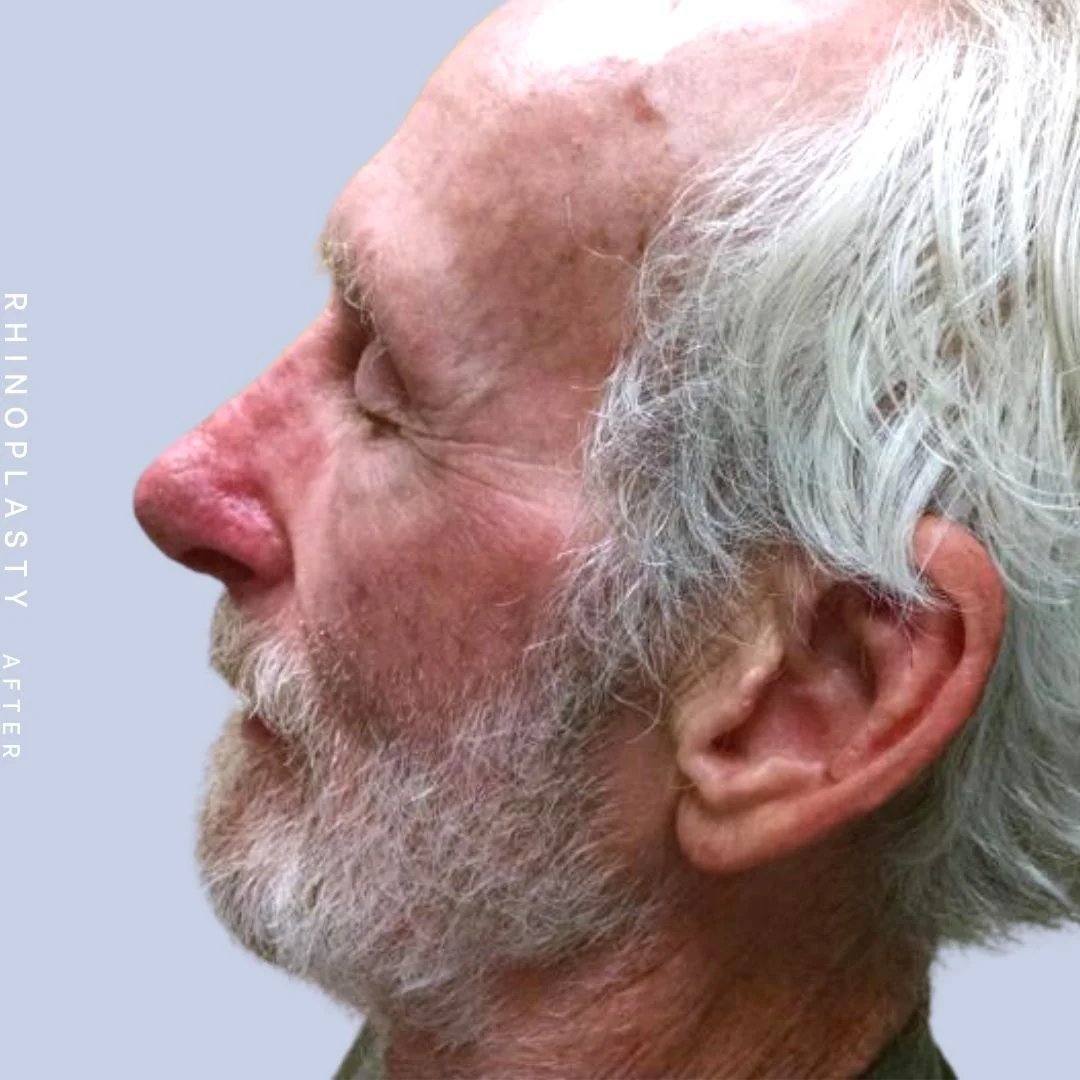

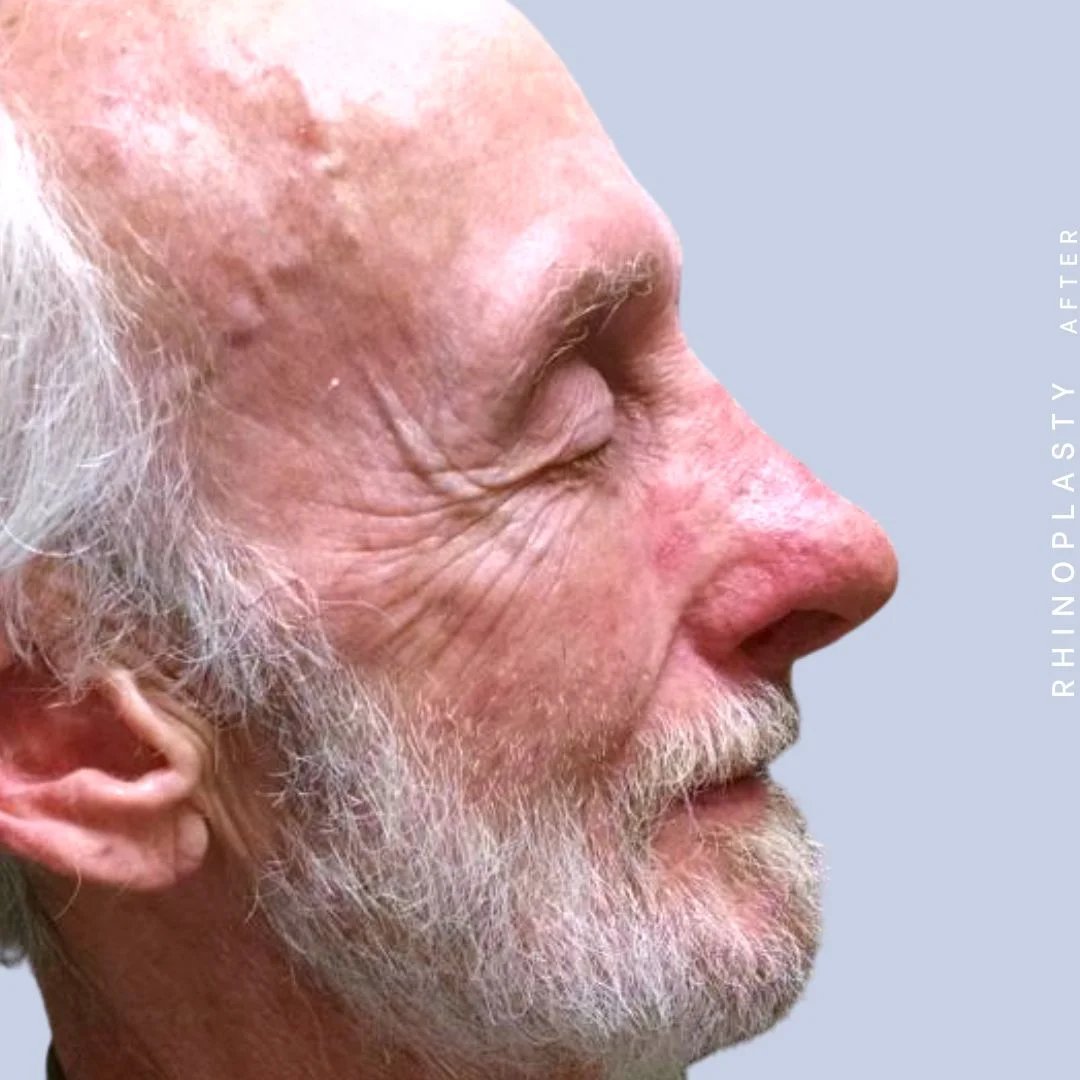
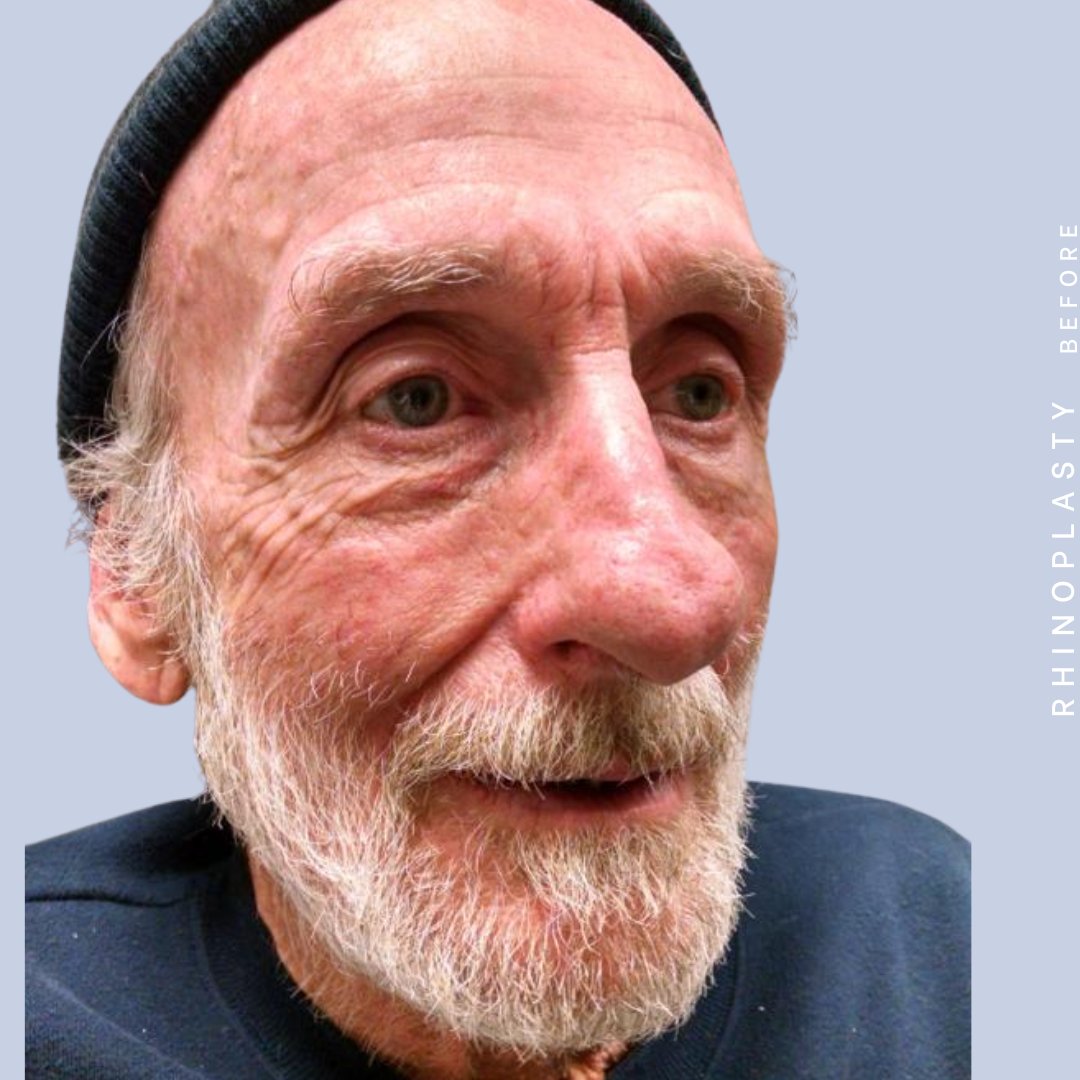
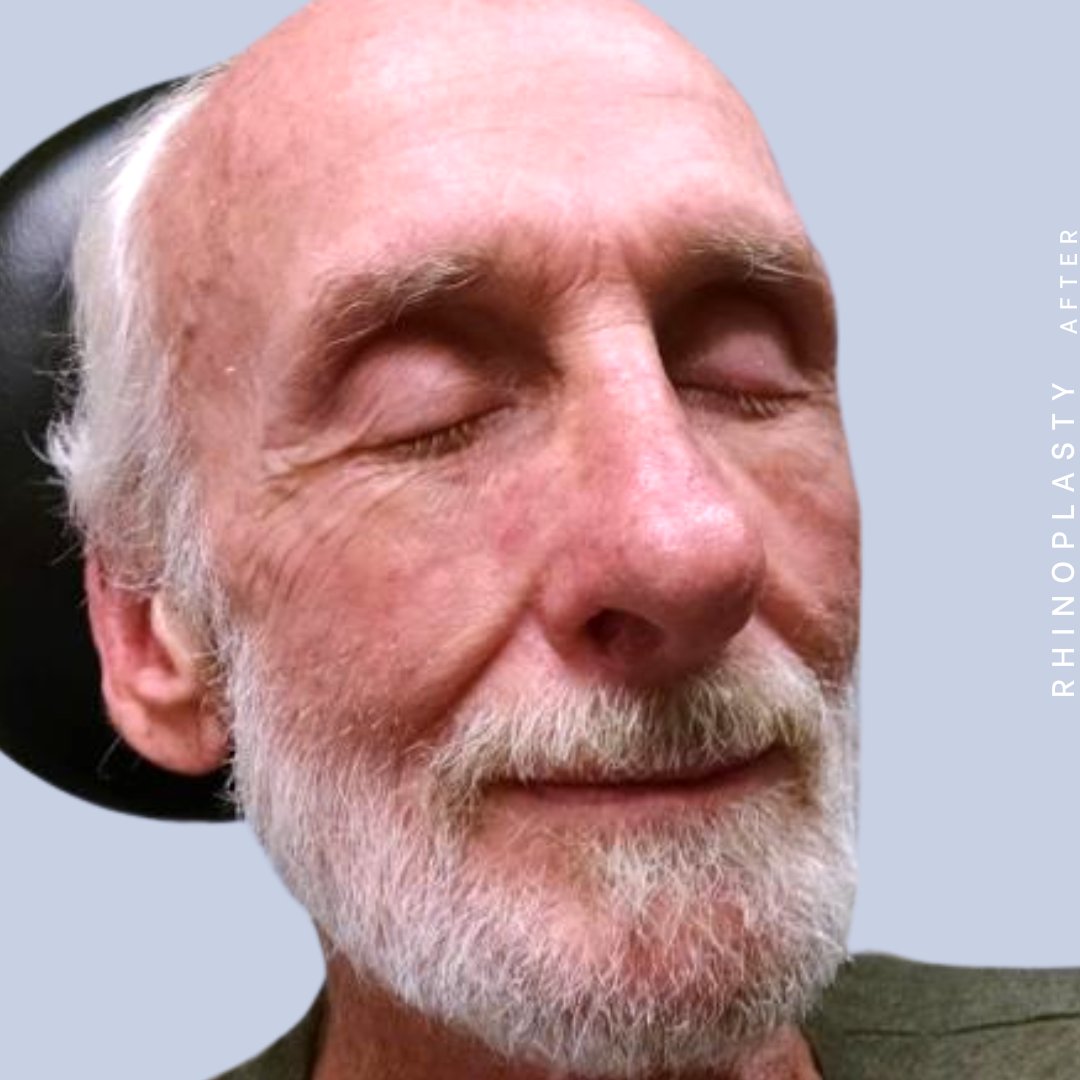
About These Men's Rhinoplasty Photos
The nine patients above cover a wide range of starting points: first-time rhinoplasty, a teenager, a secondary operation after trauma, a non-surgical option, and a patient whose breathing had collapsed after repeated injury. That range is deliberate. A man's nose is rarely only about appearance, and the plan tends to depend as much on function and history as on shape. Individual results vary, and each photograph shows that patient's own outcome.
How Male Rhinoplasty Is Planned
The aim in most male rhinoplasty is a nose that suits the face, not a smaller version of a woman's nose. A few principles come up repeatedly:
The bridge is kept strong. A straight dorsal line with some strength usually looks more natural on a man than a delicate, scooped one.
The tip is not over-rotated. A tip tilted upward too far looks out of place on a male face, so rotation is judged carefully.
Thicker skin changes the plan. Many men have thicker, oilier nasal skin. It hides fine detail, tends to swell longer, and limits how refined the tip can become.
Proportion matters more than reduction. The goal is balance with the chin, forehead and brow. Taking a nose down too far can leave the face looking unbalanced.
The male rhinoplasty page covers this approach in more detail, and the primary rhinoplasty page explains the operation for first-time patients.
Breathing and Shape Together
Patient 9's caption describes a septorhinoplasty that restored breathing and contour after repeated trauma. This reflects a common situation: the septum, which divides the two sides of the nose, is often bent or damaged after injury, and straightening it improves airflow while the outer nose is reshaped. A septoplasty addresses the septum alone, and the breathing correction page explains when nasal obstruction is treated as the main goal.
Revision and Secondary Surgery
Patient 8 had a secondary septorhinoplasty after nasal trauma, with the hump only slightly reduced at the patient's request. Revision surgery is often more complex than a first operation because scar tissue and altered anatomy limit what can be changed, and a restrained approach can be the right one. The revision rhinoplasty page describes how these cases are evaluated.
Younger Patients and Different Nasal Anatomy
Patient 2 is captioned as a teenage primary septorhinoplasty. Rhinoplasty is generally delayed until the nose has finished growing, which usually happens in the mid to late teens and is often later in boys, and the timing is a point for individual discussion. Patient 7's caption notes an African American primary septorhinoplasty. Nasal anatomy varies among people of different backgrounds, which affects skin thickness, tip structure and support, and the ethnic rhinoplasty page covers how those differences are respected.
A Non-Surgical Option
Patient 5 is captioned as non-surgical rhinoplasty, a filler-based approach that can smooth a small bump or add definition to the bridge or tip without surgery, but it only adds volume. It cannot reduce a nose, and it does not fix breathing problems. The page on non-surgical rhinoplasty explains who it suits, and the comparison of non-surgical rhinoplasty or surgery helps with the decision.
Healing and What to Expect
Swelling in a rhinoplasty lasts much longer than most people expect, and the nose continues to refine for many months. The swelling timeline and the guide to rhinoplasty recovery set out what the weeks and months usually look like. If you are preparing for a consultation, the list of questions to ask before a rhinoplasty consultation is a useful starting point.
Frequently Asked Questions
Is male rhinoplasty different from female rhinoplasty?
The operations share the same techniques, but the goals differ. A man's nose is usually kept straighter and stronger, with a less rotated tip, and the plan accounts for thicker skin.
Can rhinoplasty improve my breathing as well as my appearance?
Yes. Many patients have a deviated septum or other obstruction, and correcting it during rhinoplasty improves airflow while the outer nose is reshaped.
How long does swelling last after rhinoplasty?
Most obvious swelling settles in the first weeks, but subtle swelling, especially in the tip, can last many months before the final shape appears.
Can a previous rhinoplasty be revised?
Often yes, although revisions are more complex because of scar tissue and altered anatomy. Each case is evaluated individually before a plan is made.
Is non-surgical rhinoplasty a substitute for surgery?
Not always. Filler can smooth minor irregularities by adding volume, but it cannot reduce the nose or correct breathing, so it suits a limited group of patients.
How do I get started?
Start with a consultation, or a video consultation if you are travelling from outside the New York area.