
Chin
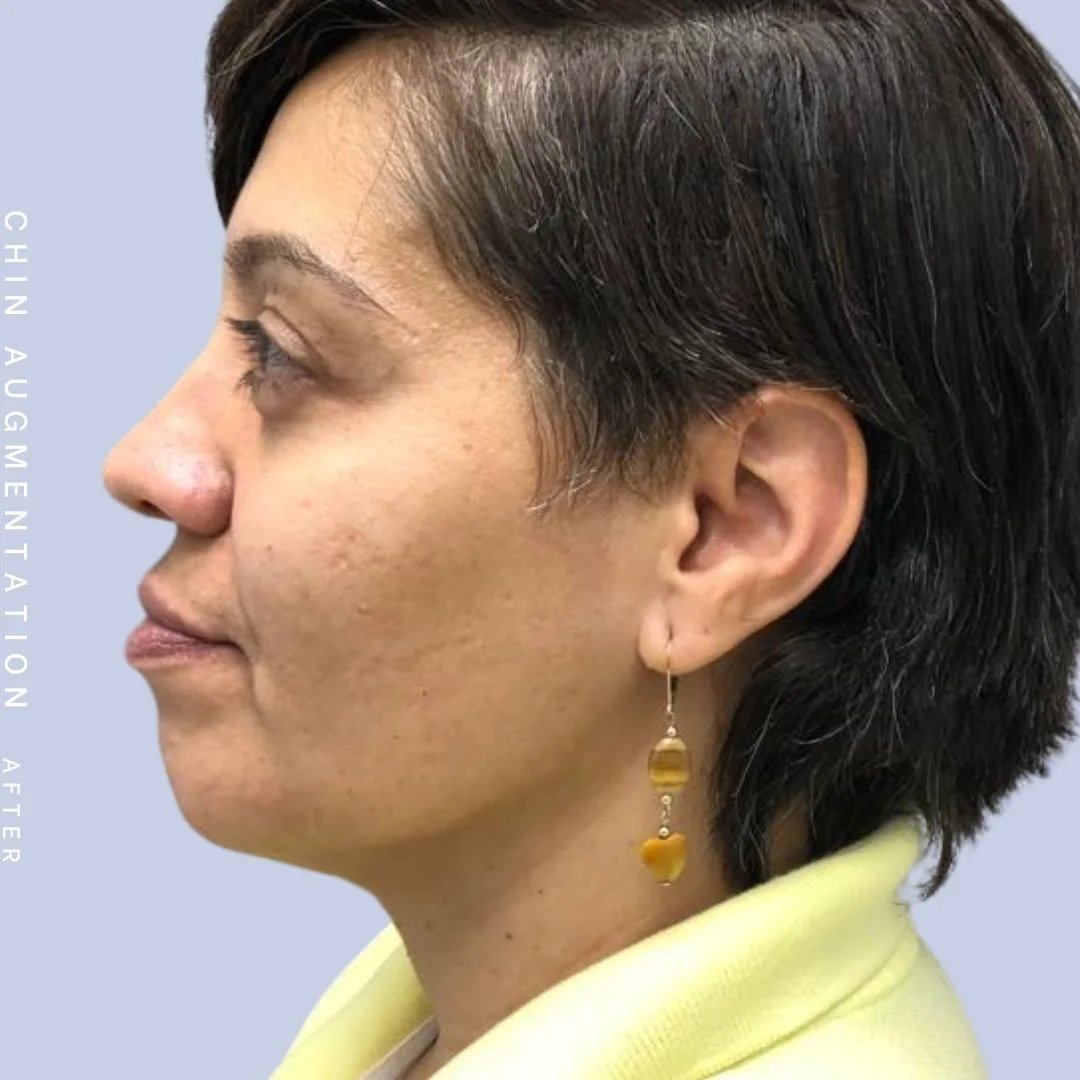
Patient 1
Procedure:
Chin Augmentation
Individual results may vary.









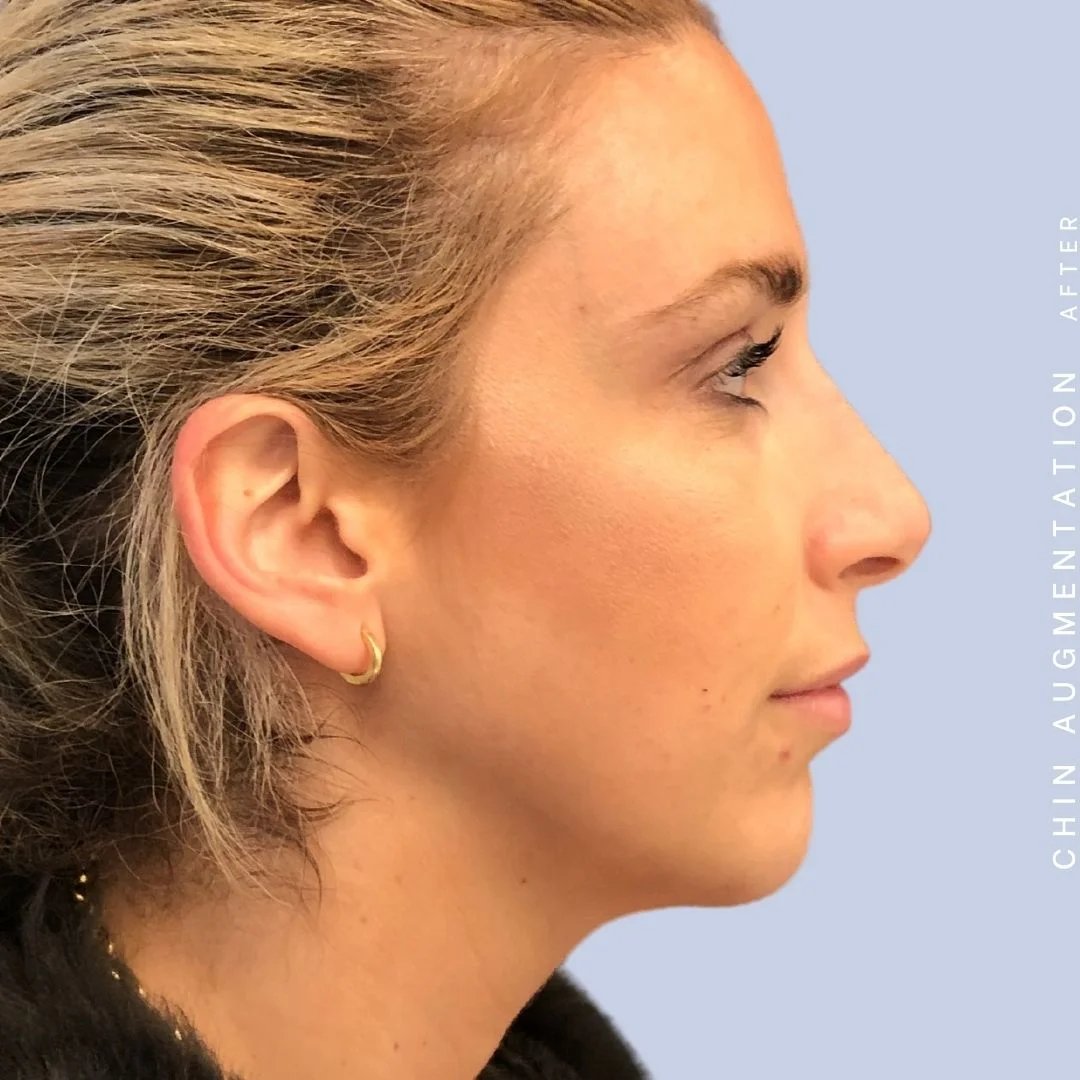
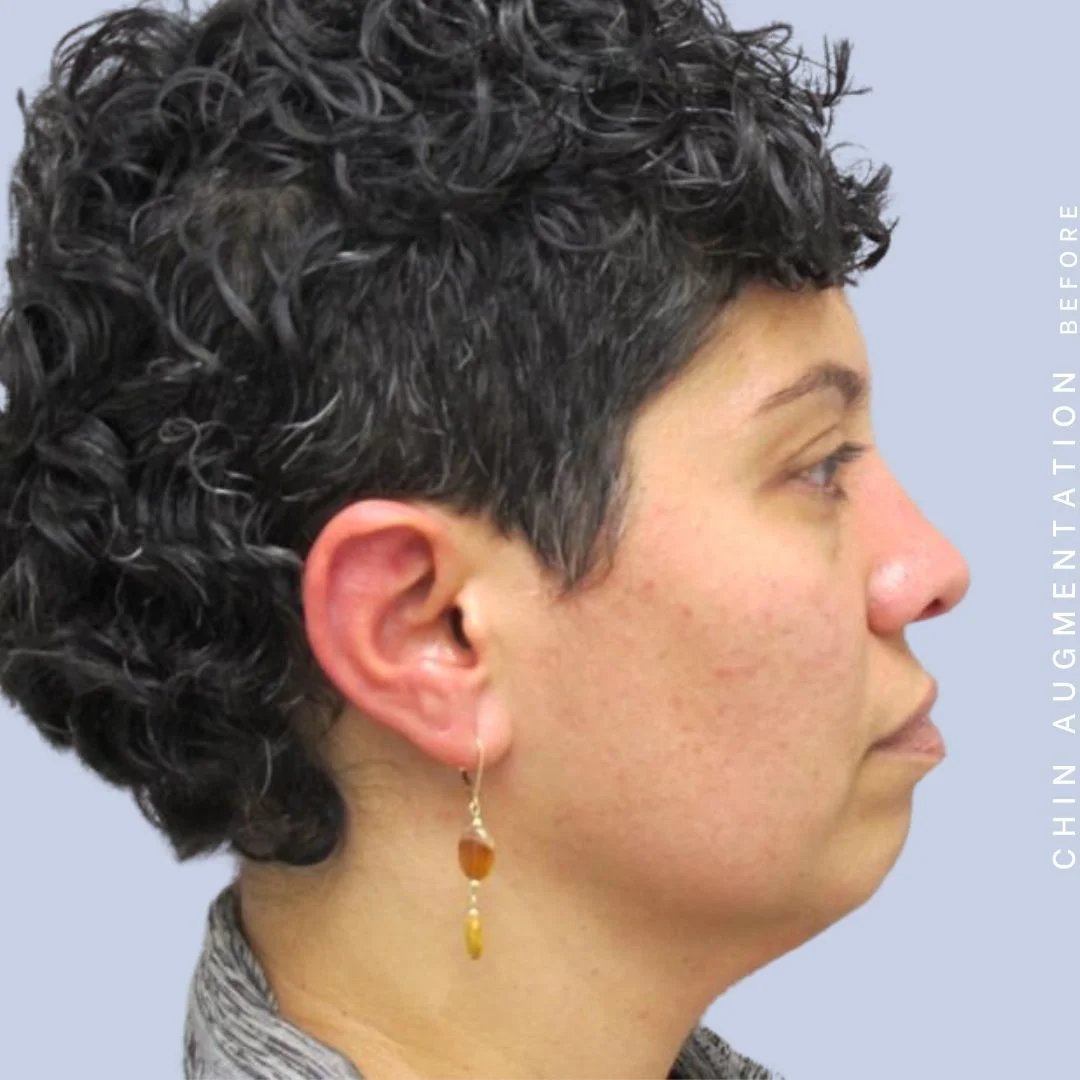
Patient 2
Procedure:
Chin Augmentation
Individual results may vary.




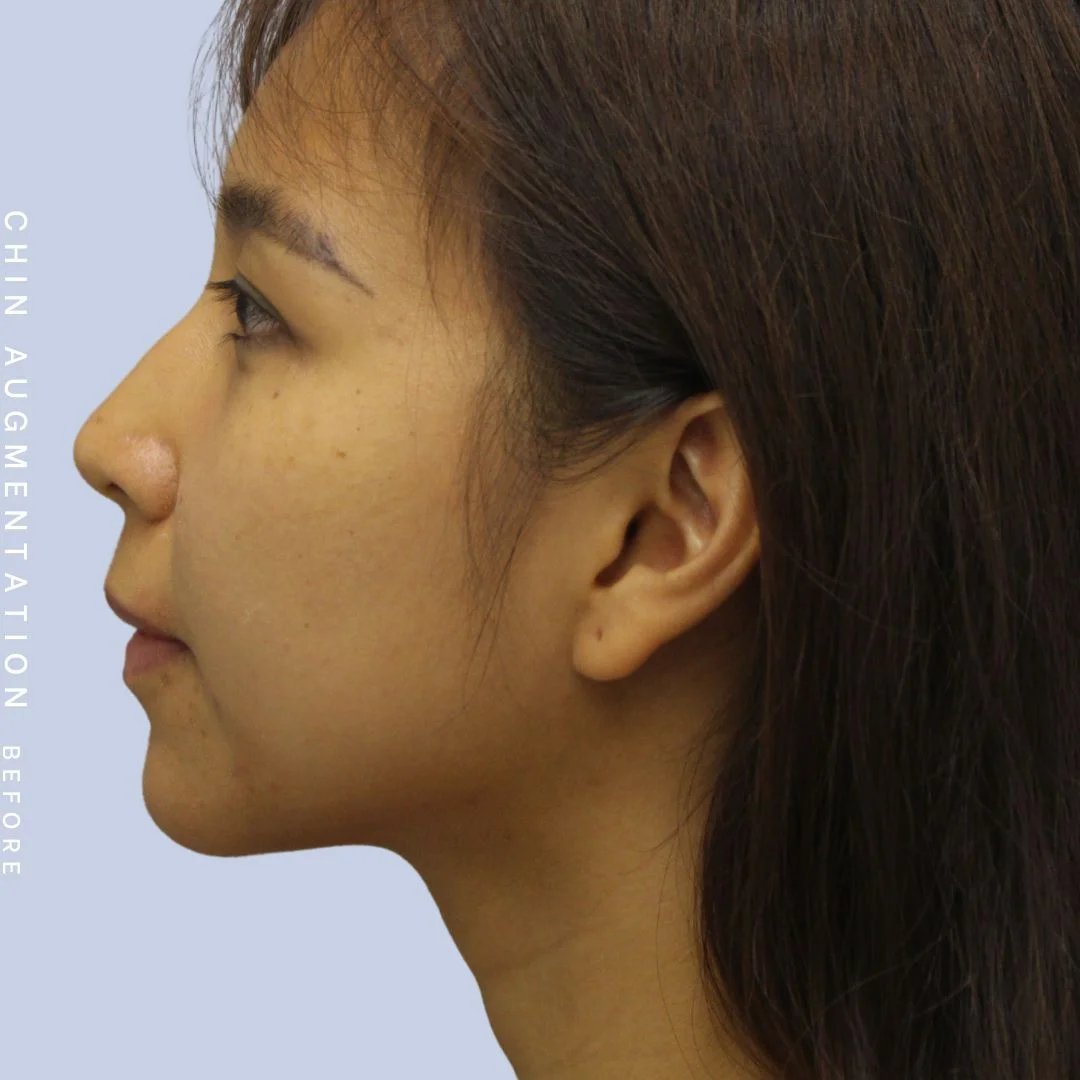



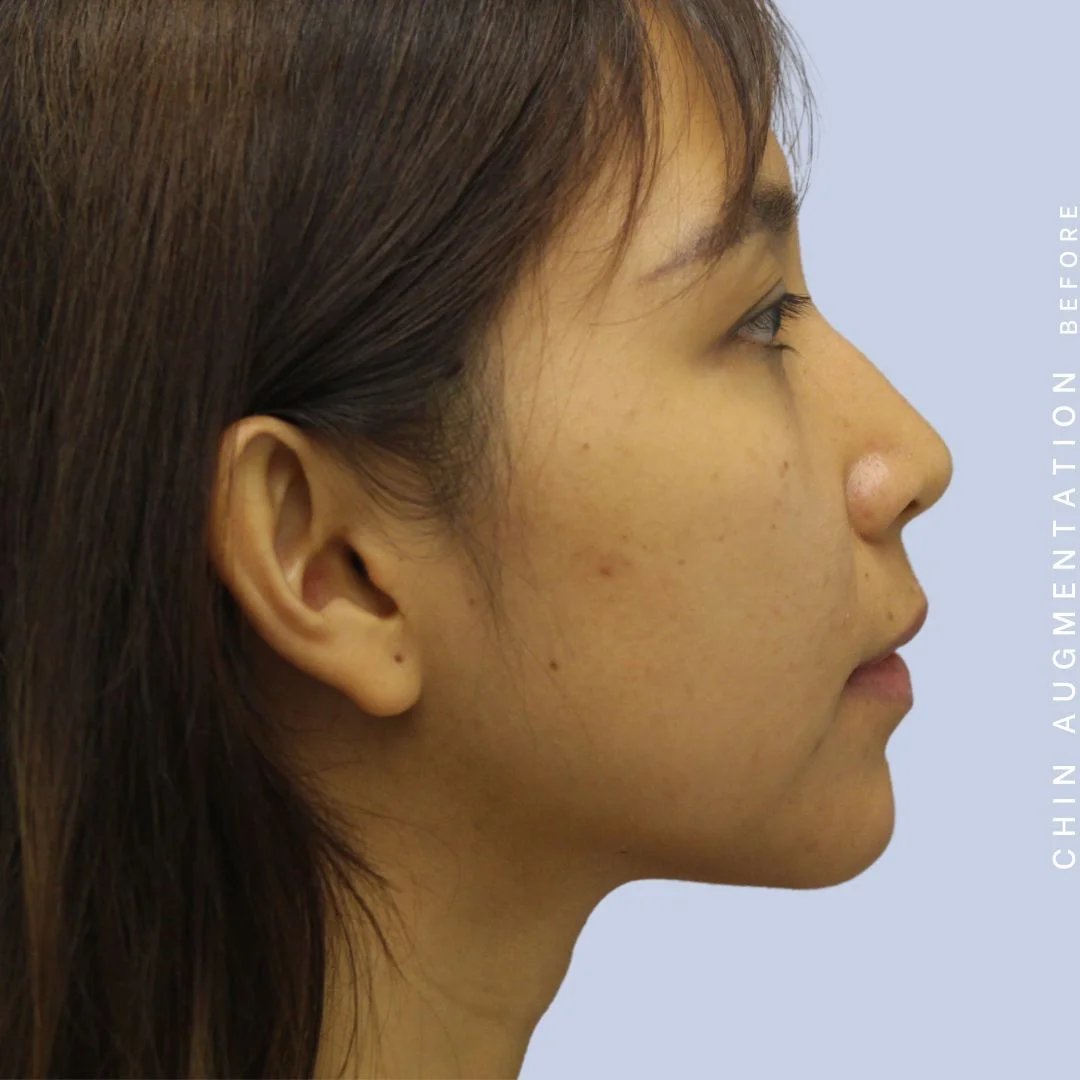

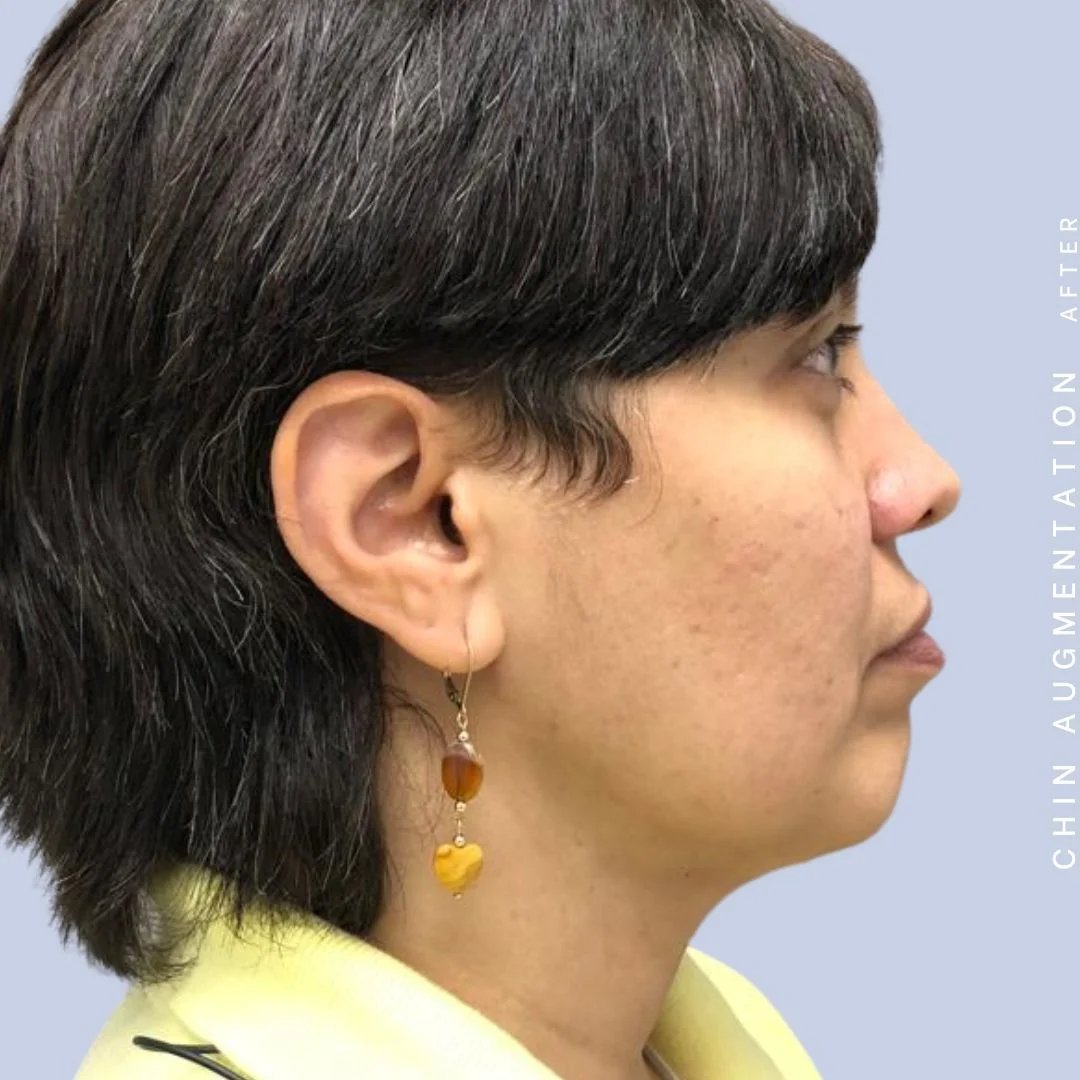
Patient 3
Procedure:
Chin Augmentation
Individual results may vary.
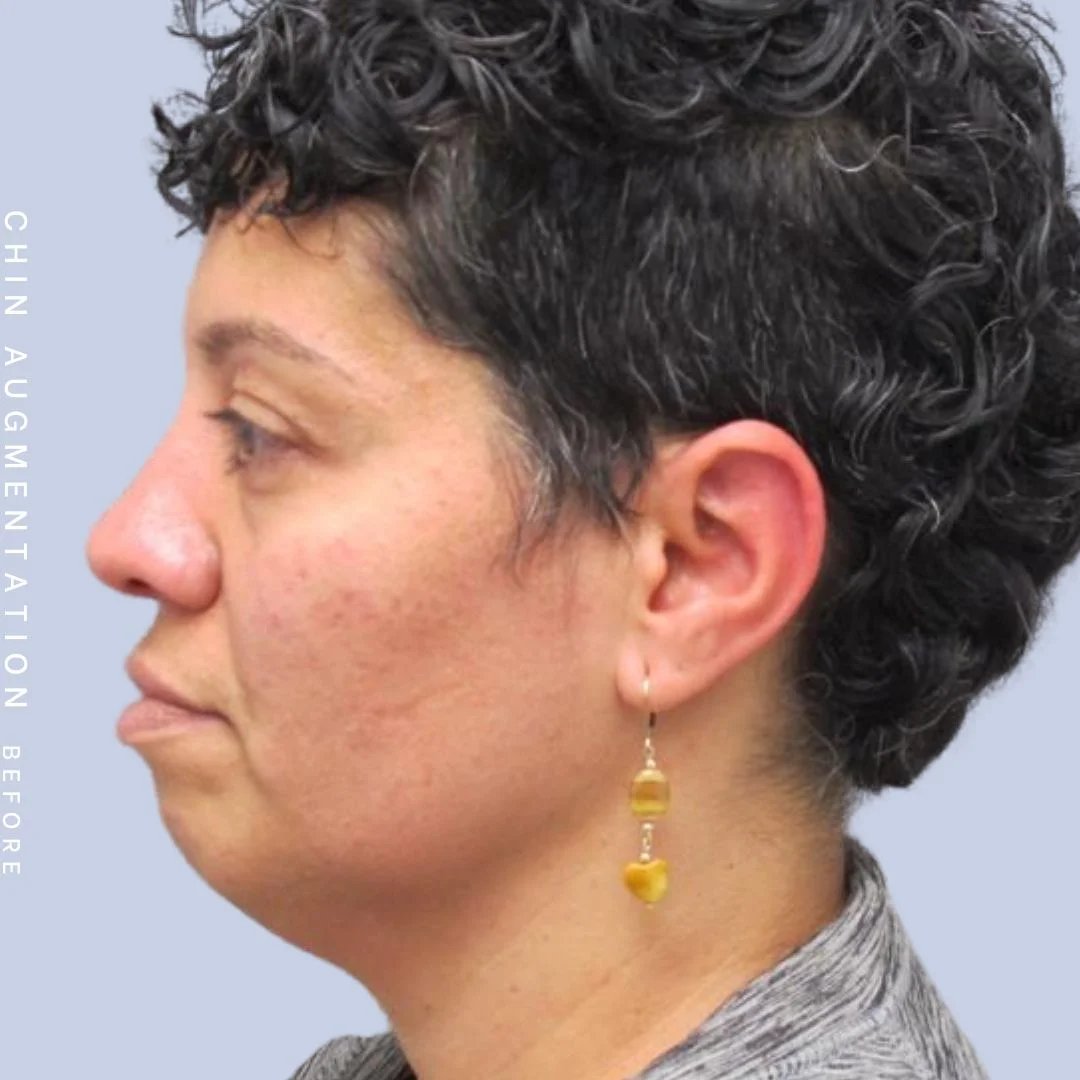
Why Chin Projection Changes the Whole Face
Chin implant surgery rarely gets evaluated on its own merits because most people only notice a chin when it's working against the rest of the face — a weak chin can make a well-proportioned nose look larger than it is, or make the jawline look soft even on someone who isn't carrying extra weight there. Dr. Doshi evaluates chin projection as part of overall facial balance, which is also why chin augmentation comes up frequently in rhinoplasty consultations even when a patient originally came in only asking about their nose — the two are often addressed together, or weighed against each other, before any surgical plan is finalized.
Implant vs. Sliding Genioplasty
A silicone chin implant placed through a small incision is the more common option shown in this gallery, used to add forward projection without moving the jawbone itself. Some patients are better suited to a sliding genioplasty instead — a bone-based procedure that repositions the chin bone itself rather than adding an implant in front of it — typically when the goal involves changing both projection and vertical height, or when there's a specific bite or jaw-alignment concern involved. Which approach fits depends on the patient's existing bone structure and goals, assessed individually rather than defaulted to one technique.
What to Expect From Recovery
Swelling is the main short-term change after chin augmentation, and it can make the result look more dramatic in the first one to two weeks than it will look once swelling resolves. Final results take longer to settle than most patients expect — which is part of why "individual results may vary," as noted under each photo in this gallery, isn't boilerplate; chin anatomy, skin thickness, and healing pace differ enough between patients that two people with a similar starting point can have a visibly different timeline to their final result.
Considering Chin Surgery Alongside Other Procedures
Chin augmentation is frequently paired with rhinoplasty or neck lift, since chin projection, nasal profile, and the jawline-to-neck angle all influence how the others read. For patients evaluating a weak chin as part of an aging or profile concern more broadly, see facelift and Dr. Doshi's surgical philosophy for how cases are planned around facial proportion rather than one isolated feature.
Frequently Asked Questions
Is a chin implant permanent?
Chin implants are intended as a long-term solution, though as with any implant, removal or revision remains possible later if a patient's goals or anatomy change.
What's the difference between a chin implant and sliding genioplasty?
A chin implant adds projection without moving the jawbone; sliding genioplasty repositions the chin bone itself and is typically used when both projection and vertical height need to change, or when there's a bite-alignment factor involved.
How long does swelling last after chin augmentation?
Visible swelling is most noticeable in the first one to two weeks, but the final result continues to settle beyond that window, which varies by patient.
Is chin augmentation usually done with rhinoplasty?
Often, yes, since chin projection and nasal profile affect how each other reads, but it's also performed on its own depending on what a patient is looking to address.
Will a chin implant look obviously "done"?
The goal is projection that reads as proportional to the rest of the face rather than a visibly altered chin; the right size and shape are assessed individually during consultation, not selected from a fixed menu of implant sizes.
How do I find out if I'm a candidate?
Start with a consultation, where chin projection is evaluated alongside the rest of the facial profile.