
Eyelid surgery is one of the most requested facial procedures among women, and also one of the most misunderstood in terms of what it actually changes and how the recovery genuinely feels day by day. Before scheduling a consultation for eyelid surgery with Dr. Hardik Doshi on Long Island, women considering this procedure benefit from understanding a handful of specific things that do not always come up until well into the process, if at all.
Understanding What Blepharoplasty Actually Addresses
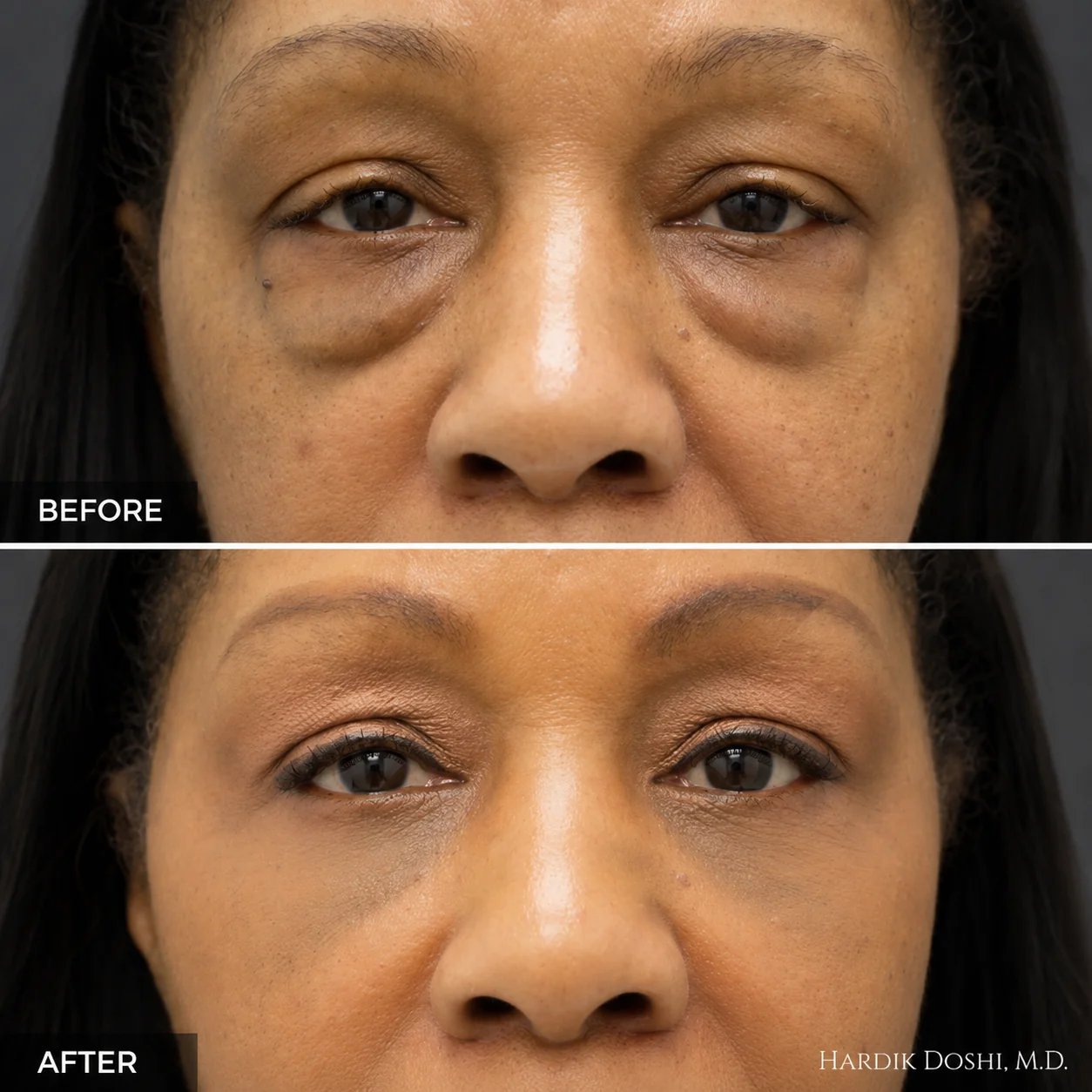
Blepharoplasty refers to surgery on the eyelids, and it is important to understand upfront that upper and lower eyelid surgery address entirely different concerns and involve different techniques. Upper blepharoplasty removes excess, hanging skin and sometimes fat from the upper eyelid, addressing a heavy, hooded appearance that can make eyes look tired or, in more advanced cases, actually obstruct the upper field of vision. Lower blepharoplasty addresses puffiness, under-eye bags, and sometimes loose skin below the eye, working through a different surgical approach entirely.
Many women assume blepharoplasty is a single, uniform procedure, when in reality a consultation may reveal that only one of these two areas requires surgical correction, or that a woman's specific concern is actually being caused by a related but distinct issue, such as brow position, that blepharoplasty alone will not resolve.

Thing One: Your Brow Position May Be the Real Issue
One of the most important things women should understand before pursuing upper blepharoplasty is that a low or heavy brow can create the visual appearance of excess upper eyelid skin, even when the eyelid skin itself is not the primary problem. If Dr. Doshi determines during your consultation that brow descent, rather than eyelid skin, is driving your specific concern, blepharoplasty alone will not fully address it, and a brow lift may be recommended instead or in combination.
This distinction matters enormously, since performing blepharoplasty alone on a patient whose real issue is brow position can produce a result that looks over-corrected in the eyelid while leaving the underlying brow concern unaddressed. Dr. Doshi's evaluation specifically assesses brow position relative to the eyelid before recommending a surgical plan, rather than assuming every heavy-lidded appearance is purely an eyelid skin issue.
Thing Two: Recovery Involves More Visible Bruising Than Many Women Expect
Women preparing for blepharoplasty often underestimate how visible bruising and swelling will be in the first one to two weeks following surgery, since the skin around the eyes is thin and prone to more dramatic bruising than most other areas of the face. This is a normal, expected part of recovery rather than a sign of complication, but it does mean planning time away from work and social obligations more generously than some women initially assume, particularly if concealing makeup is not an option during the earliest healing days when the incision itself is still healing.
Most women feel comfortable with makeup coverage and returning to work within ten to fourteen days, though the specific timeline varies based on individual healing and whether upper, lower, or both eyelids were addressed.
Thing Three: Dry Eye Symptoms Are a Real, Temporary Consideration
Many women are surprised to learn that temporary dry eye symptoms, including a gritty or irritated sensation, are common in the weeks following blepharoplasty, particularly lower eyelid surgery, since the surgery can temporarily affect how completely the eyelids close during sleep or blinking. This typically resolves as swelling decreases over the following weeks, and Dr. Doshi provides specific guidance, including lubricating eye drops, to manage this symptom during recovery.
Women with a pre-existing history of dry eye should discuss this specifically during their consultation, since it may affect surgical planning and the specific technique used, particularly for lower eyelid surgery, to minimize the risk of this symptom becoming more pronounced or prolonged after surgery.
Thing Four: Contact Lens Wearers Need a Specific Recovery Plan
Women who wear contact lenses should discuss this directly during their consultation, since most patients need to switch to glasses for a period of time following surgery while the eyelids heal and any dry eye symptoms resolve. Dr. Doshi's office provides specific guidance on when it is safe to resume contact lens wear, which varies based on individual healing but typically requires at least one to two weeks away from lenses following surgery.
Thing Five: Results Take Longer to Fully Settle Than the Visible Swelling Suggests
While most of the obvious swelling and bruising resolves within two to three weeks, the truly final, fully settled result of blepharoplasty often takes several months to become completely apparent, as more subtle, deeper swelling continues to resolve gradually. Women should avoid judging their final results too early in the process, since the appearance at the three-week mark, while much improved from the first week, is not necessarily representative of the final outcome that will be apparent by three to six months.
Thing Six: Combining Procedures Is Common, Not a Sign You Need "More Work"
Many women considering blepharoplasty are also interested in addressing related concerns, such as a heavy brow, hollowing beneath the eyes that could benefit from facial fat grafting, or overall facial aging that might benefit from a broader consultation. This is a normal, common part of facial rejuvenation planning rather than a sign that a woman's original concern was somehow inadequately addressed. Dr. Doshi evaluates the full upper face during a blepharoplasty consultation specifically so that any complementary recommendations can be discussed upfront, rather than a woman feeling later that her result was incomplete because a related concern was never mentioned.
What Happens During a Blepharoplasty Consultation
During your consultation, Dr. Doshi examines the specific characteristics of your upper and lower eyelids, including skin laxity, fat distribution, brow position, and, if relevant, any functional vision impact from excess upper eyelid skin. He discusses your specific goals and concerns in detail, since a woman focused primarily on the tired, hooded appearance of her upper lids has different priorities than a woman primarily concerned with under-eye puffiness, even though both concerns fall under the broader category of blepharoplasty.
This individualized evaluation determines whether upper surgery, lower surgery, or both are recommended, and whether any complementary procedures, such as a brow lift, would help achieve a more complete, satisfying result.
The Blepharoplasty Procedure Itself
Blepharoplasty is typically performed under local anesthesia with sedation, and the procedure generally takes one to three hours depending on whether upper, lower, or both eyelids are being addressed. For upper eyelid surgery, Dr. Doshi removes excess skin and, when appropriate, a small amount of fat through an incision placed within the natural crease of the eyelid, keeping the resulting scar well hidden. For lower eyelid surgery, the approach depends on the specific concern, sometimes performed through an incision just below the lash line or, for patients whose primary concern is fat rather than skin, through an incision inside the lower eyelid that leaves no visible external scar at all.
Recovery Timeline in More Detail
In the first few days after surgery, swelling and bruising are most pronounced, and cold compresses along with keeping the head elevated, even while sleeping, help manage this initial swelling. By the end of the first week, most women feel comfortable with light activities, though bruising may still be visible without makeup coverage. By ten to fourteen days, most bruising has faded enough for many women to feel comfortable in social and work settings with light makeup. Full, final results, as discussed earlier, take several months to become completely apparent as the last of the subtle swelling resolves.
Safety and Choosing the Right Surgeon
Because the eye area is such a delicate, functionally important region, choosing a surgeon with specific training in eyelid anatomy is particularly important for blepharoplasty. Dr. Doshi's background, including extensive head and neck surgical training in addition to his facial plastic surgery fellowship, provides a depth of anatomical knowledge specifically relevant to the eye area, where precision and careful attention to both aesthetic and functional considerations are essential to a safe, satisfying outcome.
The practice's post covering everything patients need to know about blepharoplasty offers additional detail for women researching this procedure further.
Taking the Next Step
If you are a woman on Long Island considering blepharoplasty and want a thorough, individualized evaluation of your specific eyelid and brow anatomy, schedule a consultation with Dr. Doshi's office today.
Understanding Under-Eye Hollowing vs. Puffiness
Many women assume that any concern beneath the eye falls into the same category, but under-eye hollowing and under-eye puffiness are actually caused by opposite underlying issues and require different treatment approaches entirely. Puffiness typically results from fat pads that have shifted forward or become more prominent with age, creating visible bags that lower eyelid blepharoplasty is specifically designed to address by removing or repositioning this excess fat. Hollowing, by contrast, results from volume loss in the tissue beneath the eye, creating a sunken, tired appearance that blepharoplasty alone will not correct, since there is no excess tissue to remove.
Dr. Doshi's evaluation during the consultation distinguishes between these two very different presentations, since a woman with hollowing who undergoes standard lower blepharoplasty without addressing the volume loss may be disappointed with her results, or in some cases may find that removing additional tissue actually worsens the hollow appearance. For patients with hollowing, facial fat grafting or another volume-restoring approach is often the more appropriate treatment, sometimes combined with blepharoplasty for patients who have both puffiness and hollowing occurring simultaneously in different areas.
Why Women Often Delay This Procedure Longer Than Necessary
Many women live with heavy upper eyelids or under-eye concerns for years before finally scheduling a consultation, often assuming their concern is not significant enough to warrant surgery, or worrying that the recovery will be more disruptive to their lives than it actually is. Dr. Doshi frequently hears from patients who wish they had pursued blepharoplasty sooner once they experience how manageable the recovery actually is and how meaningfully the results improve both their appearance and, in some cases, their functional vision.
This pattern of delayed treatment is worth understanding specifically because a heavy, hooded upper eyelid can, in more advanced cases, genuinely restrict the upper field of vision, meaning some women are living with a functional impairment they have simply adapted to over time without realizing surgery could meaningfully improve their day-to-day visual function, not just their appearance.
The Functional Component: When Blepharoplasty Addresses Vision, Not Just Appearance
For women with significant upper eyelid skin excess, the concern is not purely cosmetic. Excess skin that droops low enough can genuinely obstruct the upper visual field, particularly affecting peripheral vision, and some women adapt unconsciously by raising their eyebrows throughout the day to compensate, a habit that can itself contribute to chronic forehead tension or headaches over time. In cases where this functional impact is documented through a formal visual field test, upper blepharoplasty may be eligible for insurance coverage as a medically necessary procedure rather than a purely elective cosmetic one.
Dr. Doshi's office can help patients understand whether their specific situation might qualify for this kind of functional evaluation and potential insurance coverage, a conversation worth having directly during the initial consultation if a woman suspects her eyelid concern may be affecting her vision, not just her appearance.
How Skin Type and Ethnicity Affect Blepharoplasty Planning
Eyelid anatomy varies meaningfully across different ethnic backgrounds, including differences in eyelid crease position, skin thickness, and the presence or depth of a natural upper eyelid fold. Dr. Doshi's evaluation accounts for these individual anatomical differences rather than applying a single standardized surgical approach to every patient, ensuring that the specific incision placement and technique used respects each woman's natural eyelid anatomy and aesthetic goals.
This individualized approach is particularly important for women who specifically want to preserve certain characteristic features of their eyelid shape while still addressing their functional or aesthetic concern, rather than assuming a single universal blepharoplasty technique applies equally well to every patient regardless of their specific anatomy and heritage.
What Women Should Ask During Their Consultation
Beyond the general questions most patients ask about any surgical procedure, women considering blepharoplasty specifically benefit from asking about the surgeon's experience with both upper and lower eyelid techniques, whether they will need to address brow position as well, what the realistic timeline is for their own healing given their specific skin type, and how the surgeon approaches combining procedures if multiple areas of concern are present. Coming prepared with these specific questions helps ensure a more thorough, productive first consultation.
Makeup and Skincare Considerations During Recovery
Women often ask when they can resume their normal makeup routine following blepharoplasty, since makeup application near the eyes requires touching the treated area directly. Most surgeons, including Dr. Doshi, recommend waiting at least one to two weeks before applying makeup directly over the incision sites, allowing adequate time for initial healing, though makeup can often be applied to other areas of the face sooner. Once cleared to resume eye makeup, women are generally advised to use fresh, unused products rather than makeup that may have been used before surgery, since previously opened products can harbor bacteria that could increase infection risk in the healing incision area.
Skincare products containing active ingredients, including retinoids and certain acids, are also generally paused in the immediate treatment area for a period following surgery, since these can be too irritating for healing skin. Dr. Doshi's office provides a specific timeline for reintroducing both makeup and active skincare products, tailored to each patient's individual healing progress.
Addressing Concerns About Looking Overdone
A common fear among women considering blepharoplasty is ending up with an overly tight, surprised, or unnatural-looking result, sometimes associated with older, more aggressive eyelid surgery techniques that removed excessive amounts of skin and fat. Dr. Doshi's approach emphasizes conservative, individualized tissue removal, tailored specifically to each patient's own anatomy and the natural contour of their eye, rather than pursuing a single standardized aesthetic outcome that risks looking artificial or overly altered.
This conservative philosophy is part of why reviewing a surgeon's specific blepharoplasty results, rather than assuming any board-certified surgeon will produce comparably natural results, matters so much when researching this procedure. Women are encouraged to look specifically for before-and-after examples showing natural, proportionate improvement rather than a dramatically altered eye shape.
The Emotional Impact of Eyelid Surgery for Women
Many women report that their eyes are one of the first features others notice, and a persistently tired or heavy-lidded appearance can create a frustrating disconnect between how a woman actually feels and how she is perceived by others, sometimes prompting frequent, unwanted comments about looking tired or unwell even when she feels energetic and well-rested. Dr. Doshi's patients frequently describe a meaningful boost in confidence following blepharoplasty, not simply because of the physical change itself, but because their appearance finally aligns more closely with how they actually feel day to day.
This emotional dimension is worth acknowledging directly, since it is often just as significant a motivating factor for women considering this procedure as the physical or functional concerns discussed throughout this guide.
How Blepharoplasty Fits Into a Broader Facial Rejuvenation Timeline
Some women pursue blepharoplasty as a standalone procedure addressing a specific, isolated concern, while others consider it as part of a broader facial rejuvenation plan that may eventually include a brow lift, facelift, or other procedures as additional signs of aging develop over subsequent years. Dr. Doshi discusses this longer-term perspective with patients during the consultation, helping women understand how their current blepharoplasty procedure fits within a potential broader timeline of facial rejuvenation, even if they are not planning to pursue additional procedures immediately.
This forward-looking conversation can also inform surgical planning for the current procedure, since certain technique choices may have implications for how future procedures, if pursued, would be approached.
Choosing the Right Surgeon for This Procedure
Because the eye area involves such delicate anatomy in close proximity to vision itself, women researching blepharoplasty on Long Island should specifically ask any prospective surgeon about their training and experience with eyelid surgery, request to see a substantial gallery of results specifically for female patients with a range of starting anatomy, and confirm board certification through a recognized board. Dr. Doshi's dual board certification and extensive head and neck surgical training provide the kind of anatomical depth this delicate procedure benefits from.
Final Thoughts Before Your Consultation
Blepharoplasty remains one of the most consistently satisfying procedures for women who pursue it, precisely because the change, while often subtle in absolute terms, tends to have an outsized effect on how rested, alert, and youthful a woman appears in everyday interactions. Taking the time to understand the distinctions covered in this guide, between muscular and structural brow concerns, hollowing and puffiness, and functional versus purely cosmetic goals, helps ensure that the specific procedure recommended genuinely matches the underlying cause of your concern.