

Patients researching buccal fat removal on Long Island quickly discover that pricing for this procedure varies considerably from one practice to another, and even from one patient to the next within the same practice. Understanding exactly what drives that variation helps patients evaluate quotes intelligently rather than simply chasing the lowest number they find online.
What Buccal Fat Removal Actually Involves
Buccal fat removal is a procedure that reduces the size of the buccal fat pads, which sit deep in the cheeks between the facial muscles. Removing a portion of this fat creates a more contoured, defined appearance along the cheeks and lower face, which is why the procedure has become popular among patients hoping to slim a rounder face shape or sharpen their jawline definition. The procedure is performed through small incisions made inside the mouth, along the inner cheek, meaning there is no visible external scarring.
Because the buccal fat pads are a fixed, genetically determined feature rather than a fluctuating fat deposit tied to weight, removing a portion of them creates a permanent change to facial contour that does not reverse with weight gain the way surface fat might. This permanence is part of why patients are drawn to the procedure, and it is also part of why a careful, individualized evaluation matters so much before proceeding.
The Primary Driver of Cost: Surgeon Fee
The single largest component of buccal fat removal pricing is the surgeon's fee, which reflects the complexity of the procedure, the surgeon's specific training and experience, and the time required to perform the extraction precisely and safely. Surgeons with more extensive facial plastic surgery training, particularly those who are double board certified in both otolaryngology and facial plastic surgery, often carry a higher surgeon's fee than a general cosmetic practice, reflecting the additional years of specialized training in facial anatomy.
This is a meaningful consideration specifically for buccal fat removal, since the buccal fat pad sits close to the facial nerve branches and the parotid duct, structures that must be carefully identified and avoided during the procedure. A surgeon's specific experience with facial anatomy, rather than general cosmetic surgery experience alone, is directly relevant to both the safety and the precision of this particular procedure.
Anesthesia and Facility Fees
Buccal fat removal can be performed under local anesthesia with oral or IV sedation, or under general anesthesia, depending on the patient's preference, anxiety level, and whether the procedure is being combined with additional treatments during the same surgical session. The anesthesia approach chosen has a direct effect on cost, since general anesthesia typically involves an anesthesiologist's fee and a longer recovery monitoring period compared to local anesthesia with lighter sedation.
Facility fees cover the cost of the accredited surgical suite, equipment, and support staff involved in the procedure. Patients should confirm whether their quoted price includes the facility fee as a single bundled cost or whether it will be billed separately, since this affects how meaningfully two quotes from different practices can be compared.
Whether the Procedure Is Combined With Others
Many patients pursuing buccal fat removal on Long Island combine it with other facial procedures performed during the same surgical session, such as a chin implant or neck lift, since a rounder lower face and jawline is often driven by the interaction of chin projection, jawline definition, and neck laxity together rather than the buccal fat pad alone. When procedures are combined, the total quoted price naturally increases, but the combined approach can be more cost-effective than scheduling each procedure separately, since facility and anesthesia costs can be shared across a single surgical session rather than duplicated across multiple dates.
Patients considering buccal fat removal are encouraged to bring their full range of facial concerns to their consultation, since a surgeon evaluating only the cheeks in isolation may miss a broader combination that would better achieve the overall look a patient is hoping for.
Geographic and Practice-Specific Cost Factors
Pricing for buccal fat removal, like most cosmetic procedures, varies by geographic region, reflecting differences in the local cost of doing business, average surgeon experience levels in the area, and overall market demand. Long Island pricing generally falls in a moderate range compared to major metropolitan markets like Manhattan, though patients should not assume a lower price automatically reflects a better value, since it may also reflect less extensive training or a less comprehensive included aftercare package.
Individual practices also differ in what their quoted price includes beyond the surgery itself. Some practices bundle all pre-operative visits and post-operative follow-up appointments into a single comprehensive fee, while others charge separately for additional visits beyond an initial follow-up. Understanding this distinction before comparing quotes prevents patients from mistakenly assuming a lower initial number represents the true total cost of their care.
Why the Lowest Price Isn't Always the Best Value
Because buccal fat removal involves working close to the facial nerve and parotid duct, the risks associated with an inexperienced or rushed approach are meaningfully different from the risks associated with a simpler cosmetic procedure. Patients who select a provider based purely on the lowest advertised price, without confirming board certification, specific facial surgery training, and where the procedure will actually be performed, are taking on a different risk profile than patients who prioritize training and safety alongside cost.
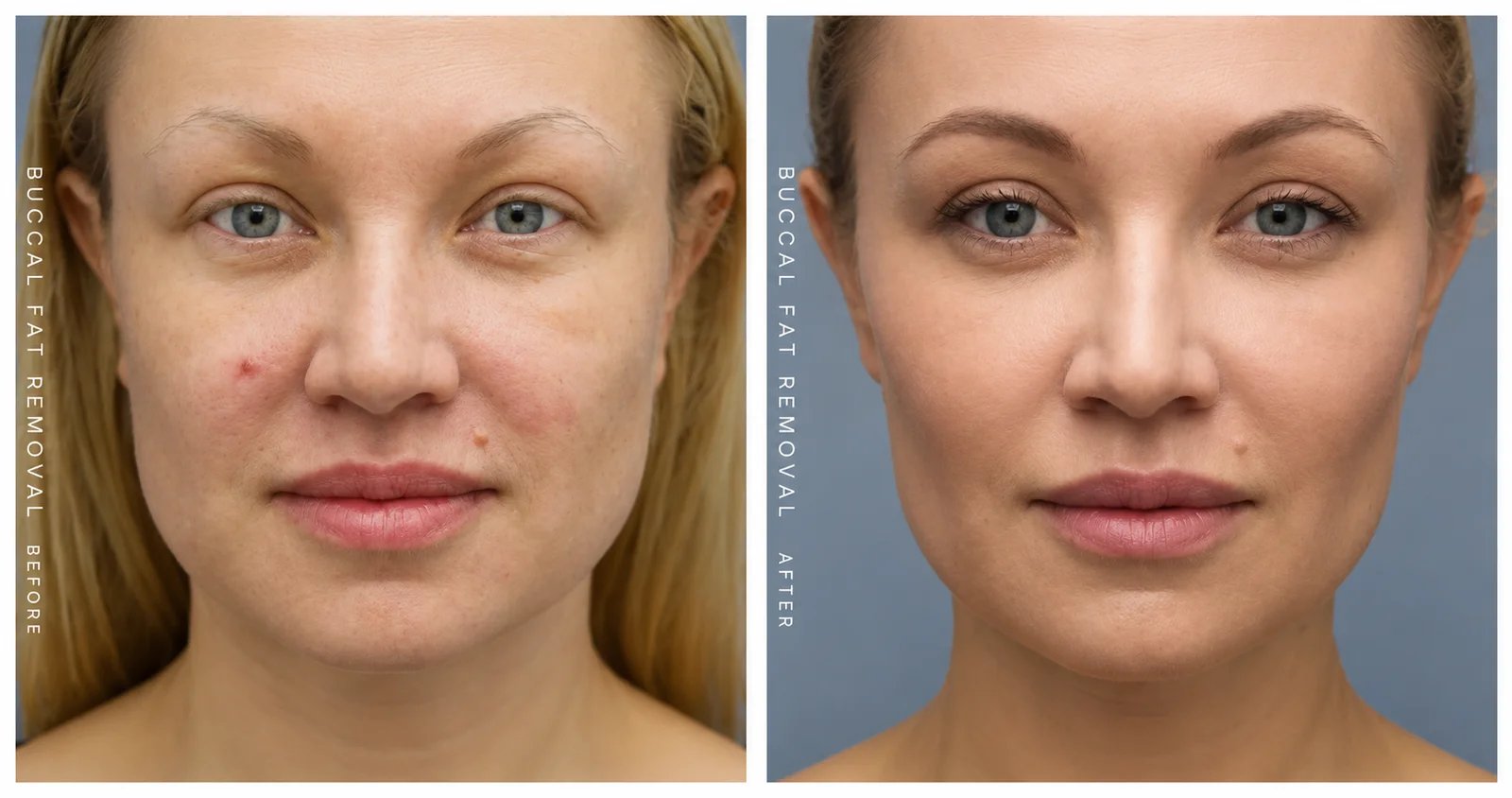
Dr. Hardik Doshi's approach, informed by his background in otolaryngology and head and neck surgery in addition to his facial plastic surgery fellowship, reflects a level of anatomical training specifically relevant to a procedure like buccal fat removal, where precision around delicate facial structures is essential. Patients are encouraged to weigh this kind of training background alongside price when comparing their options, rather than treating cost as the only variable that matters.
What a Personalized Quote Actually Requires
Because buccal fat removal is frequently combined with other procedures, and because the amount of fat removed and the specific anesthesia approach used varies by patient, an accurate cost estimate can only be provided after an in-person or virtual consultation where Dr. Doshi evaluates a patient's specific facial anatomy and goals. Online cost ranges found through a general search should be treated as a rough planning benchmark rather than a firm number, since they cannot account for a specific patient's anatomy or combination of procedures.
During a consultation, Dr. Doshi evaluates the degree of buccal fat present, the patient's overall facial proportions, and whether removing buccal fat alone will achieve the patient's stated goals or whether a combination approach would produce a more complete, satisfying result. This evaluation forms the basis of a specific, personalized quote rather than a generic number pulled from a price list.
Financing Options for Buccal Fat Removal
Because buccal fat removal is considered an elective cosmetic procedure, it is not covered by health insurance. Most practices, including many on Long Island, offer financing options through third-party providers that allow patients to spread the cost of surgery over monthly payments rather than paying the full amount upfront. Patients weighing the cost of buccal fat removal against their budget are encouraged to ask directly about financing options during their consultation, since this can make a meaningful difference in how patients plan for the procedure financially.
What Recovery Costs to Factor In Beyond the Surgery Itself
Beyond the surgical fee itself, patients should factor in the practical costs associated with recovery, including time off work, which is typically minimal for buccal fat removal compared to more extensive facial procedures, since most patients feel comfortable returning to normal activities within about a week. Soft, easy-to-chew foods are recommended for the first several days following surgery, since the incisions are located inside the mouth, and patients may want to budget for pre-prepared soft meals during this period.
Follow-up visits are typically included in the total surgical fee at most practices, though patients should confirm this directly rather than assuming, since some practices bill additional visits separately if complications or extended follow-up become necessary.
Setting Realistic Expectations About Results and Value
Buccal fat removal produces a permanent change to cheek volume and lower face contour, and patients should understand that the value of the procedure is best measured not just by the immediate cosmetic change but by how well that change holds up and complements the rest of the face over the years following surgery. A rushed, poorly planned buccal fat removal that removes too much fat can create a hollowed, aged appearance over time as natural facial fat continues to decrease with age, which is a genuine risk worth discussing directly during a consultation.
Dr. Doshi's approach emphasizes a conservative, carefully planned removal that achieves noticeable contour improvement without overcorrecting, since this produces a result that continues to look balanced and natural as a patient ages, rather than one that looks increasingly hollow over time. Patients can review the practice's before-and-after gallery to see a range of buccal fat removal results and get a realistic sense of the degree of change the procedure typically achieves.
Consultation and Next Steps
Patients considering buccal fat removal on Long Island are encouraged to schedule a consultation to discuss their specific facial anatomy, goals, and budget directly with Dr. Doshi's office. The practice's consultation process is designed to give patients a clear, honest picture of what the procedure can achieve for their particular face, along with a personalized cost estimate that reflects their specific treatment plan rather than a generic price range.
If you are exploring buccal fat removal on Long Island and want to understand your specific cost and treatment plan, schedule a consultation with Dr. Doshi's office today.
Buccal Fat Removal for Men vs. Women: Does It Affect Cost?
The underlying procedure and pricing structure for buccal fat removal do not differ based on gender, but the aesthetic goals and typical degree of fat removal often do, which can indirectly affect the complexity and therefore the cost of a specific case. Male patients often seek a more subtle reduction aimed at sharpening jawline definition without appearing overly narrow, while female patients may be pursuing a more noticeable slimming effect. Dr. Doshi tailors the extent of fat removal to each patient's specific facial structure and goals rather than applying a standardized amount across every patient, which is part of why an individualized consultation is the only reliable way to understand both the expected result and the associated cost for a specific case.
How Age Affects Buccal Fat Removal Planning and Cost
Younger patients, often in their twenties and early thirties, make up a large share of buccal fat removal candidates, since natural facial fat volume is typically higher earlier in life and gradually decreases with age. This has a direct bearing on surgical planning, since removing buccal fat from a patient who is already beginning to lose facial volume through the natural aging process carries a higher risk of a prematurely hollow appearance later on.
Dr. Doshi evaluates not just a patient's current facial fullness but also their skeletal structure and how their face is likely to change over the coming decades, since this affects whether buccal fat removal is an appropriate long-term choice or whether a more conservative approach, or a different procedure altogether, better serves the patient's interests. This forward-looking evaluation does not typically change the cost of the procedure itself, but it may change the recommended extent of fat removal, which can affect surgical time and therefore the final quoted fee.
Comparing Buccal Fat Removal Cost to Non-Surgical Alternatives
Patients researching facial slimming options sometimes come across non-surgical alternatives, such as targeted injectable treatments intended to reduce facial fullness temporarily. These non-surgical options generally involve a lower upfront cost per session but require repeated treatments over time to maintain any effect, since they do not permanently remove the buccal fat pad the way surgery does. Over a period of several years, the cumulative cost of repeated non-surgical treatments can approach or exceed the one-time cost of surgical buccal fat removal, without ever achieving the same permanent, structural change.
This does not mean non-surgical options are the wrong choice for every patient. Some patients specifically prefer a more gradual, reversible approach, or want to test a slimmer look before committing to a permanent surgical change. Dr. Doshi discusses both surgical and appropriate non-surgical options during a consultation, helping patients understand the trade-offs between upfront cost, long-term cost, and permanence before making a decision.
Common Cost-Related Questions Patients Ask During Consultation
Patients preparing for a buccal fat removal consultation often want to understand not just the total price but how that price breaks down and what specifically drives variation within their own quote. Common questions include whether the quoted price changes if more or less fat needs to be removed than initially estimated, whether a touch-up procedure would be included at no additional cost if the initial result is not sufficiently symmetric, and whether the price differs if local anesthesia is chosen over general anesthesia.
Dr. Doshi's office addresses these questions directly and transparently during the consultation process, ensuring patients understand exactly what their specific quote includes and what circumstances, if any, might lead to additional costs. This transparency is part of a broader approach to patient care that prioritizes informed decision-making over pressuring patients toward a quick booking decision.
The Role of Digital Imaging and Planning Tools
Many practices, including Dr. Doshi's, now incorporate digital imaging tools during the consultation process, allowing patients to see a simulated preview of how their facial contour might change following buccal fat removal, alongside other combined procedures under consideration. While these imaging tools do not add materially to the cost of the procedure itself, they represent part of the broader consultation and planning process that a comprehensive surgical fee is meant to cover. Patients evaluating different practices should ask whether this kind of visualization support is included as part of their consultation experience, since it can meaningfully improve a patient's ability to set realistic expectations before committing to surgery.
The Long-Term Value Calculation Patients Often Overlook
When patients compare buccal fat removal costs across different providers, they often focus narrowly on the headline number without considering the total value delivered over the full arc of their surgical experience, from the first consultation through years of living with the result. A slightly higher upfront cost from a more experienced, appropriately credentialed surgeon can represent significantly better long-term value if it reduces the likelihood of needing a corrective procedure down the line, whether due to asymmetry, overcorrection, or a complication requiring additional treatment.
This is a genuinely difficult calculation for patients to make on their own without clinical expertise, which is part of why Dr. Doshi's consultations spend meaningful time discussing not just the immediate cost of the procedure but the broader context of what that cost reflects in terms of training, safety infrastructure, and the surgeon's specific track record with this particular procedure. Patients are encouraged to ask directly how many buccal fat removal procedures a surgeon has performed and to request to see a substantial gallery of results specifically for this procedure, rather than a general facial surgery gallery that may not include enough buccal fat removal-specific examples to judge a surgeon's particular skill with this procedure.
How Regional Long Island Market Dynamics Affect Pricing
The Long Island cosmetic surgery market sits in an interesting middle position between the more moderate pricing found in less densely populated regions of the country and the premium pricing common in Manhattan and other major coastal metropolitan markets. This middle position means Long Island patients often have access to highly trained surgeons, including those who also see patients from Manhattan and the broader tri-state area, at a price point that reflects strong value relative to comparable training and experience found in more expensive markets nearby.
Patients researching buccal fat removal cost on Long Island specifically should be aware that some surgeons practicing in this region maintain multiple office locations, including satellite offices closer to Manhattan, and that pricing can sometimes vary slightly between these locations due to differences in facility overhead. This is worth clarifying directly with a practice if a patient is deciding between locations for convenience.
What Happens If Complications Arise After Buccal Fat Removal
While buccal fat removal is generally considered a safe procedure when performed by an appropriately trained surgeon, patients should understand what financial protections, if any, are built into their surgical fee in the event that a complication arises requiring additional treatment. Some practices include a defined period of complication-related follow-up care within the original surgical fee, while others may bill separately for any additional visits or procedures needed to address a complication.
Dr. Doshi's office is transparent about this distinction during the consultation process, and patients are encouraged to ask this question directly of any practice they are considering, since the financial exposure associated with a possible complication is a meaningful factor in fully understanding the total cost picture associated with any surgical procedure, not just buccal fat removal specifically.
Comparing Package Pricing When Multiple Procedures Are Combined
For patients combining buccal fat removal with additional procedures such as a chin implant or neck lift, understanding how package pricing works becomes especially important. Some practices offer a modest discount when multiple procedures are combined into a single surgical session, reflecting the genuine efficiency gained by sharing facility and anesthesia costs across procedures, while others price each component procedure independently and simply add the totals together. Dr. Doshi's office provides a clear, itemized breakdown of combined procedure pricing during the consultation, helping patients understand exactly how their total quoted price is constructed rather than receiving a single bundled number without clear component pricing.
The Consultation-to-Surgery Timeline and What It Means for Planning Costs
Patients should also understand the typical timeline between an initial consultation and the actual surgery date, since this affects financial planning as well as scheduling. Most practices, including Dr. Doshi's, require a follow-up visit closer to the surgery date to confirm the surgical plan and finalize any last details, and deposits or payment schedules are often structured around these specific milestones rather than requiring the full payment immediately at the time of the initial consultation. Understanding this payment timeline in advance helps patients plan their finances appropriately, particularly if they are using a financing arrangement that requires its own separate approval process before the surgery date can be confirmed.
A Final Word on Comparing Quotes Responsibly
Patients gathering multiple quotes for buccal fat removal on Long Island should approach the comparison process with the same rigor they would apply to any significant purchase involving their health and appearance. This means requesting a written, itemized breakdown from each practice being considered, confirming exactly what is and is not included in the quoted number, and weighing that information against the surgeon's specific training, experience, and track record with this particular procedure rather than comparing headline numbers in isolation. A thoughtful, well-informed comparison process is the best safeguard against both overpaying for a generic experience and underpaying in a way that compromises safety or long-term results.