
Patients researching facial plastic surgery on Long Island regularly encounter the phrase "board-certified" attached to nearly every surgeon's marketing, to the point where the term can start to feel like a generic assurance rather than a meaningful credential. Fewer patients understand what "double board-certified," the specific credential Dr. Hardik Doshi holds, actually represents, and why this particular combination of training matters more than a single certification alone.
What Board Certification Actually Verifies
Board certification through a recognized medical board confirms that a physician has completed an accredited residency training program in a specific specialty and has passed rigorous written and, in most cases, oral examinations administered by that board. This process exists specifically to give patients a reliable, independently verified signal of a physician's training and competency in their stated specialty, since medical licensure alone does not require the same level of specialty-specific training and testing.
For facial plastic surgery specifically, the relevant certifying bodies include the American Board of Facial Plastic and Reconstructive Surgery and the American Board of Otolaryngology-Head and Neck Surgery, both of which require completion of a specific accredited training pathway followed by passing comprehensive examinations.
What "Double Board-Certified" Actually Means
Being double board-certified means a surgeon has completed and passed board certification in two separate specialties, each requiring its own distinct residency or fellowship training and its own separate examination process. In Dr. Doshi's case, this means certification in both Otolaryngology-Head and Neck Surgery, reflecting a full residency in this broader specialty covering the entire head and neck region, and Facial Plastic and Reconstructive Surgery, reflecting additional, more focused fellowship training specifically in facial aesthetic and reconstructive procedures.
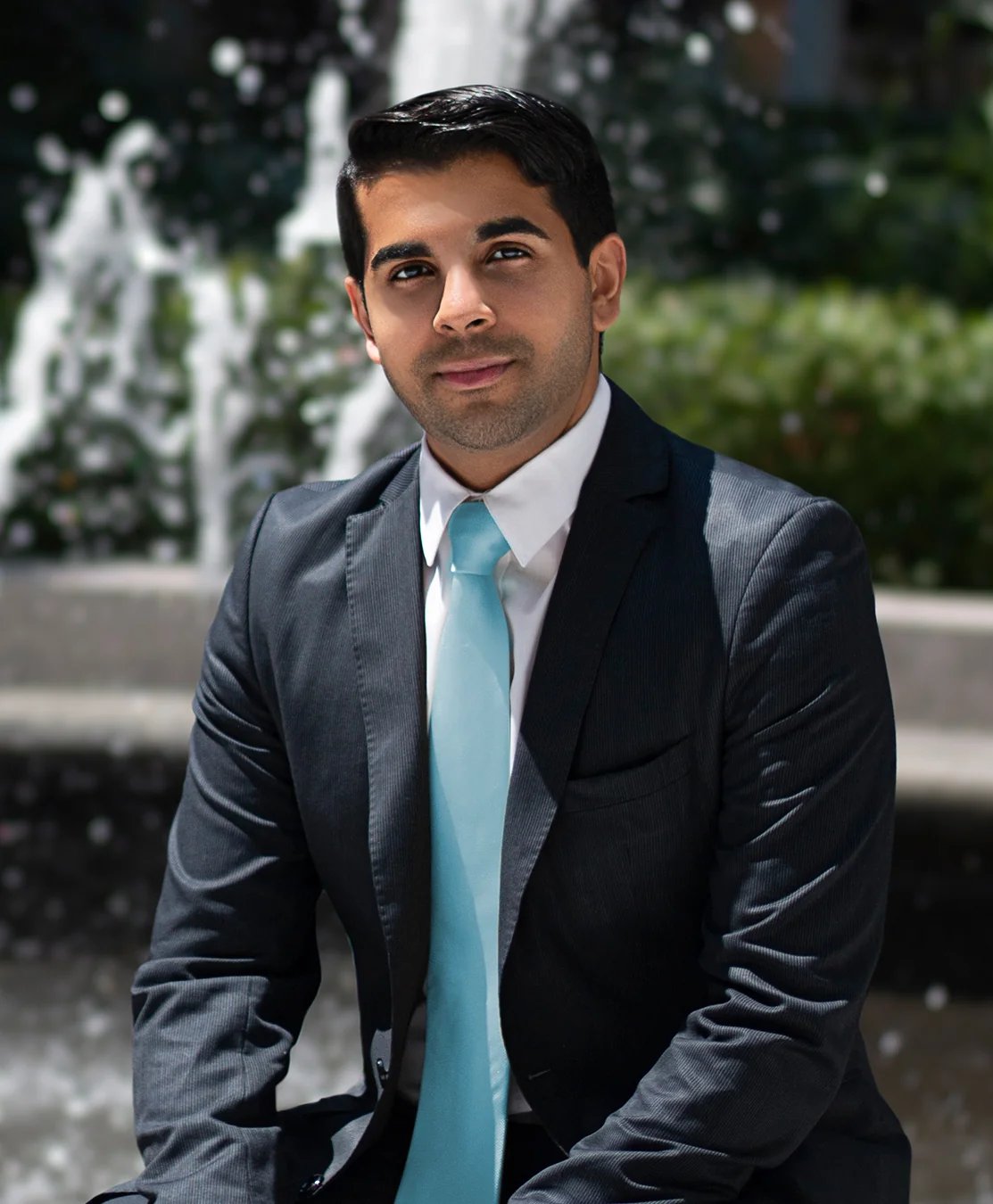
This combination is significant because it means a double board-certified facial plastic surgeon has both the broad anatomical foundation that otolaryngology training provides, covering the full complexity of head and neck anatomy including function, breathing, and the relationship between different structures, and the more specialized, focused training in facial aesthetic surgery that a single board certification alone would not include.
Why This Combination Matters More Than a Single Certification
Some surgeons performing facial plastic surgery hold certification only in general plastic surgery, through the American Board of Plastic Surgery, without the additional, more specialized facial plastic surgery certification. Others may hold certification in a specialty less directly relevant to facial anatomy altogether. While general plastic surgery training does cover facial procedures as part of a broader curriculum spanning the entire body, it does not typically include the same depth of focused, dedicated facial anatomy training that a facial plastic surgery fellowship provides specifically.
Dr. Doshi's dual certification reflects both this broader head and neck foundation and the more concentrated, facial-specific training that follows it, representing a combination that many patients researching their options do not realize is actually somewhat uncommon, since achieving both certifications requires additional years of training beyond what either certification alone would require.
How This Training Pathway Actually Works
Achieving double board certification requires a specific, demanding sequence of training. First, a physician completes a full otolaryngology-head and neck surgery residency, typically five years in length, covering the entire scope of head and neck medicine and surgery, including ear, nose, throat, sinus, and neck anatomy, along with substantial surgical experience across this full anatomical territory. Following this residency, the physician then completes a separate, additional fellowship specifically in facial plastic and reconstructive surgery, an intensely competitive program with a limited number of positions available nationally each year, focusing specifically on aesthetic and reconstructive facial procedures.
Only after completing both of these distinct training pathways, and passing the separate examinations required by each certifying board, does a surgeon achieve genuine double board certification. This is a meaningfully longer and more demanding training pathway than pursuing either certification alone, which is part of why relatively few surgeons hold both credentials.
What This Means for Specific Procedures
This dual training background has direct, practical relevance to several categories of procedures Dr. Doshi performs. For rhinoplasty, his otolaryngology training provides extensive experience with the functional, breathing-related aspects of nasal anatomy, including sinus and airway considerations that are directly relevant to safely and effectively performing both cosmetic and functional nasal surgery, an area where surgeons without this specific background sometimes have less depth of training.
For procedures involving the eyelids, brow, and areas near major facial nerve branches, this comprehensive head and neck training provides a depth of anatomical familiarity with these delicate structures that directly supports both surgical safety and precision. For revision procedures, including revision rhinoplasty, this broader anatomical foundation is particularly valuable, since revision cases require working with previously altered anatomy in a way that demands a deeper, more comprehensive understanding of the full range of normal and altered facial structures.
Why Patients Often Don't Realize This Distinction Exists
Marketing materials across the facial plastic surgery industry frequently use the term "board-certified" without specifying which board, or how many boards, a given surgeon actually holds certification through. This lack of specificity means patients researching their options often assume all board-certified surgeons hold a comparable level of credentialing, when in reality the specific combination and depth of certification varies considerably from one surgeon to the next.
Patients are encouraged to ask any prospective surgeon directly which specific boards they are certified through, rather than accepting the general term "board-certified" as sufficient information on its own. The practice's resources on selecting a plastic surgeon provide additional guidance on the specific questions patients should ask when evaluating potential surgeons.
How to Verify a Surgeon's Board Certification Independently
Beyond simply asking a surgeon directly, patients can independently verify board certification claims through the certifying boards' own public verification tools, which allow anyone to confirm whether a specific physician holds active certification through that board. This independent verification step is a reasonable and encouraged part of researching any surgeon before committing to a procedure, since it removes any ambiguity about whether a claimed certification is current and legitimate.
Dr. Doshi's specific certifications and training background are detailed on the practice's credentials and safety page, along with further background available on the about page.
Board Certification Is Necessary, But Not the Only Factor
While double board certification is a meaningful and verifiable credential, patients should understand that it is one important factor among several worth considering, rather than the sole determining factor in choosing a surgeon. Surgical volume and specific experience with a given procedure, the quality and consistency of a surgeon's before-and-after results, and the overall consultation experience all matter alongside certification status. A double board-certified surgeon with limited experience in a specific procedure a patient is considering is not automatically a better choice than a single board-certified surgeon with extensive, specific experience in that exact procedure.
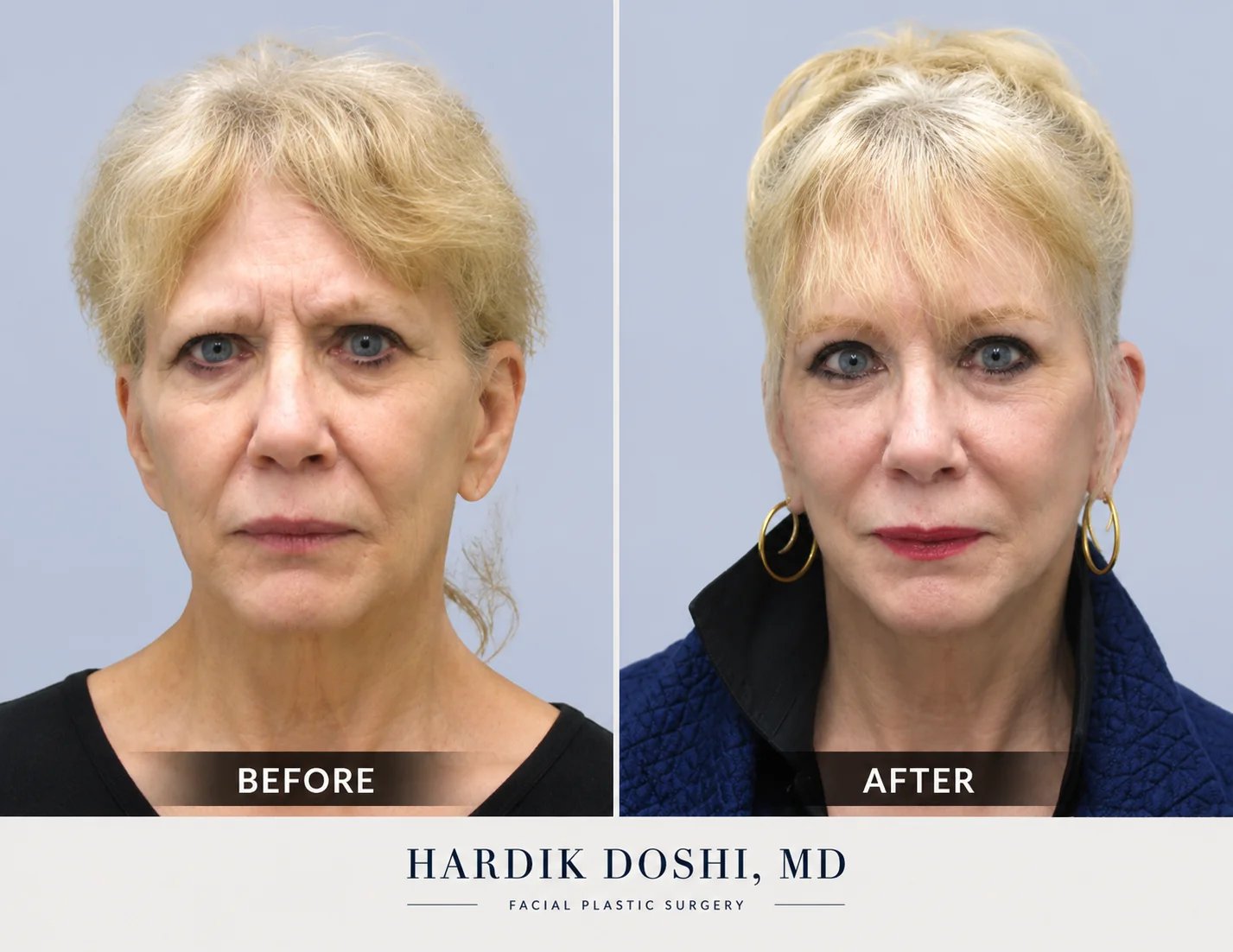
Dr. Doshi's practice encourages patients to weigh certification alongside these other factors, reviewing the practice's before-and-after gallery and testimonials as part of a comprehensive evaluation rather than relying on certification status alone.
What This Means for Your Consultation
When evaluating facial plastic surgeons on Long Island, patients are encouraged to ask specifically which boards a surgeon is certified through, how many years of training this represents, and how this training background relates to the specific procedure being considered. A surgeon confident in their training background should be able to answer these questions clearly and specifically, providing genuine reassurance rather than a vague, general assurance of being "board-certified" without further detail.
The History of Facial Plastic Surgery as a Distinct Specialty
Understanding a bit about how facial plastic surgery developed as a distinct area of certification helps explain why the double board pathway exists in the first place. Facial plastic surgery emerged largely from within otolaryngology, as surgeons treating head and neck conditions increasingly recognized the aesthetic dimension of the reconstructive work they were already performing. Over time, this led to the establishment of a dedicated certifying board specifically for facial plastic and reconstructive surgery, distinct from both general otolaryngology and general plastic surgery, recognizing that this specific combination of functional and aesthetic facial expertise warranted its own certification pathway.
This historical context helps explain why the double board pathway, rather than a single, combined certification, remains the structure today: the two specialties, while closely related and often practiced together by surgeons like Dr. Doshi, maintain distinct training requirements, examination processes, and professional organizations, reflecting their historically separate development even as many practitioners today pursue both.
How Many Surgeons Actually Hold Both Certifications
While exact figures vary and change over time, double board certification in both otolaryngology-head and neck surgery and facial plastic and reconstructive surgery remains held by a relatively small subset of surgeons practicing facial plastic surgery nationally, compared to the larger number of surgeons holding only one of these certifications, or certification in general plastic surgery alone. This relative rarity reflects the additional years of training required and the competitive nature of facial plastic surgery fellowship positions specifically, which accept a limited number of candidates nationally each year.
Patients researching their options should understand that this rarity is not simply a marketing talking point, but reflects a genuine, verifiable difference in the depth and breadth of training a surgeon has completed relative to many of their peers in the same general field.
What This Training Looked Like for Dr. Doshi Specifically
Dr. Doshi's path to double board certification began with a highly competitive otolaryngology residency, one that accepted only a small number of candidates nationally each year relative to the volume of applicants. During this residency, he participated in close to ten thousand surgical procedures across the full scope of head and neck surgery, rising to chief resident by his final year, a role that involved direct responsibility for training junior residents and medical students in addition to his own clinical responsibilities.
Following this residency, he pursued one of a limited number of facial plastic surgery fellowship positions available nationally, an intensely competitive additional year of training focused specifically on aesthetic and reconstructive facial procedures. This sequential, demanding training pathway is what ultimately allowed him to achieve certification through both boards, reflecting years of additional training beyond what a single certification pathway would have required.
Why This Matters Specifically for Complex or Revision Cases
The value of double board certification becomes particularly apparent in more complex surgical scenarios, including revision procedures where a patient's anatomy has already been altered by a previous surgery, or cases involving both functional and aesthetic goals simultaneously. A surgeon with comprehensive head and neck training, in addition to focused facial aesthetic training, is generally better equipped to navigate the added complexity these cases present, since they draw on a broader anatomical and clinical knowledge base than facial aesthetic training alone would provide.
Patients considering a revision procedure, or a combined functional and cosmetic surgery, are particularly encouraged to seek out a surgeon with this kind of comprehensive dual training background, given the additional complexity these specific cases involve compared to a straightforward, first-time cosmetic procedure on unaltered anatomy.
How This Training Background Translates to Rhinoplasty Specifically
Rhinoplasty is perhaps the procedure where Dr. Doshi's dual certification proves most directly relevant, since the nose serves both a cosmetic and a critical functional role in breathing. His otolaryngology training included extensive experience with functional nasal and sinus surgery, giving him a depth of understanding regarding airway anatomy that a purely cosmetically-trained surgeon may not have to the same degree. This is particularly significant for rhinoplasty patients, since even a procedure requested for purely cosmetic reasons can inadvertently affect breathing function if the surgeon does not carefully account for the internal nasal airway during surgical planning.
This training background is also directly relevant to his substantial revision rhinoplasty practice, since revision cases frequently involve patients whose prior surgery, sometimes performed by a surgeon without this same functional training background, left them with an unaddressed or newly created breathing problem alongside their cosmetic concern.
Understanding the Examination Process Itself
Both certifying boards require passing rigorous, multi-part examinations that go well beyond a simple test of general medical knowledge. Written examinations assess in-depth knowledge of relevant anatomy, surgical techniques, potential complications, and evidence-based practice specific to each specialty. Oral examinations, required by many certifying boards including those relevant to facial plastic surgery, involve direct questioning by senior, experienced examiners regarding specific clinical scenarios, surgical decision-making, and management of complications, testing not just factual knowledge but a candidate's actual clinical judgment and reasoning process.
Successfully passing both of these separate examination processes, for two distinct specialties, represents a substantial and rigorously verified demonstration of clinical competency, distinct from simply completing a training program without this additional layer of independent verification.
Recertification and Ongoing Education Requirements
Board certification is not necessarily a one-time achievement that, once obtained, requires no further action. Many certifying boards require periodic recertification, involving continued medical education and, in some cases, repeat examinations at defined intervals, to ensure that certified physicians remain current with evolving techniques, safety standards, and clinical evidence within their specialty. This ongoing requirement means that an actively maintained board certification reflects not just historical training completed years or decades ago, but an ongoing commitment to staying current within the field.
Patients researching a surgeon's certification status can typically confirm through the certifying board's verification tool not just whether a surgeon holds certification, but whether that certification is currently active and in good standing, an important detail that distinguishes a surgeon who has maintained their qualifications from one whose certification may have lapsed.
What Double Board Certification Does Not Guarantee
It is worth being direct that double board certification, while a meaningful and verifiable credential, does not by itself guarantee that a specific surgeon is the right fit for every patient or every procedure. Certification verifies foundational training and competency but does not measure a surgeon's specific artistic sensibility, their particular approach to patient communication, or their track record with the exact procedure a given patient is considering. This is why Dr. Doshi's practice encourages patients to use certification as one important, verifiable data point within a broader evaluation process that also includes reviewing before-and-after results, reading patient testimonials, and assessing personal comfort and rapport during the consultation itself.
How to Bring This Up During Your Own Consultation
Patients sometimes feel hesitant to directly ask a surgeon detailed questions about their specific training and certification, worried it might come across as distrustful or confrontational. In reality, a confident, well-trained surgeon welcomes these questions, since they reflect a patient taking their own health and safety seriously rather than making a significant decision based on assumptions. Framing the conversation simply, such as asking which boards a surgeon is certified through and what that training specifically involved, opens a natural, informative conversation rather than an adversarial one.
Dr. Doshi's office is accustomed to and welcomes these kinds of direct questions during consultations, viewing them as a natural and appropriate part of a patient making a well-informed decision about a procedure that will have a lasting effect on their appearance and, in some cases, their health.
The Broader Trend Toward Increased Patient Awareness
Over recent years, growing media attention to unqualified or inadequately trained providers performing cosmetic procedures has led to increased patient awareness around the importance of verifying credentials before scheduling any surgical procedure. This heightened awareness is a genuinely positive development for patient safety broadly, encouraging more patients to ask the kind of specific, informed questions discussed throughout this guide rather than assuming any provider offering a given procedure is equally qualified to perform it safely and skillfully.
Dr. Doshi's practice supports this trend toward greater patient education and awareness, viewing an informed patient base as ultimately better for the entire field of facial plastic surgery, since it encourages a higher standard of transparency and accountability across the industry as a whole.
Taking the Next Step
If you are researching facial plastic surgery on Long Island and want to understand how a surgeon's specific training and certification background relates to your particular procedure, schedule a consultation with Dr. Doshi's office to discuss your options directly.