
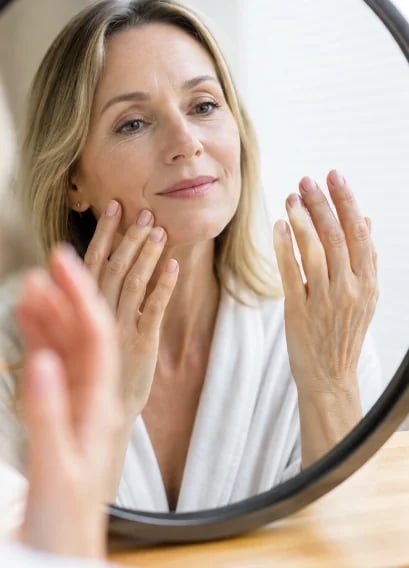
Patients invest considerable time and money into facial rejuvenation, whether through surgery, injectables, or skincare, and then stand in front of a mirror still seeing hands that look meaningfully older than the rest of their face. Hands are one of the most consistent age-revealing features on the body, and they are also one of the most commonly overlooked areas in a comprehensive rejuvenation plan, largely because patients simply don't think to ask about them until someone points out the disconnect.
Dr. Hardik Doshi, a double board-certified facial plastic surgeon practicing on Long Island and in Manhattan, offers hand rejuvenation as part of his broader injectable treatment menu, recognizing that a patient's hands are visible in nearly every social and professional interaction and deserve the same thoughtful attention as facial aging.

Why Hands Age the Way They Do
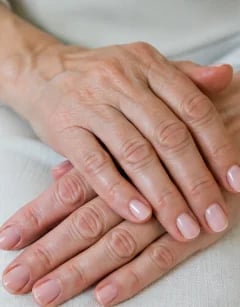
The skin on the back of the hands is considerably thinner than facial skin and contains less of the subcutaneous fat layer that helps cushion and support facial skin as it ages. This means volume loss in the hands, which happens as a natural part of aging, becomes visible more quickly and more dramatically than similar volume loss on the face, since there is less underlying padding to lose in the first place.
As this volume diminishes, the tendons, veins, and small bones of the hand become increasingly visible beneath the thinning skin, creating the characteristic bony, veiny, or skeletal appearance many patients associate with aged hands. This effect is often compounded by decades of cumulative sun exposure, since hands are rarely protected with sunscreen the way faces increasingly are, leading to more pronounced sun damage, including age spots and skin texture changes, appearing on the hands well before similar damage becomes visible on the face.
What Hand Rejuvenation Actually Addresses
Hand rejuvenation through injectable treatment primarily targets the volume loss component of hand aging, using dermal filler to restore lost subcutaneous volume across the back of the hand. This added volume helps camouflage prominent tendons and veins by providing a smoother, more cushioned layer beneath the skin, similar in concept to how facial filler restores volume lost to aging in the cheeks or temples.
The treatment does not address every component of hand aging on its own. Sun damage, including age spots and areas of uneven pigmentation, generally requires separate treatment, such as laser therapy or targeted topical treatments, since filler addresses volume specifically and does not change skin pigmentation or texture. Patients with significant sun damage alongside volume loss often benefit from combining hand filler with a pigment-focused treatment to address both components of hand aging together.
What the Treatment Actually Involves
Hand rejuvenation typically uses a hyaluronic acid filler, similar in category to fillers used elsewhere on the face, injected into the back of the hand in a series of small injection points distributed across the area to restore even volume rather than creating isolated areas of fullness. Some practitioners use a technique involving gentle massage immediately after injection to help distribute the filler evenly and achieve a smooth, natural-looking result rather than a lumpy or uneven appearance.
The treatment is generally well tolerated, with most patients describing the sensation as similar to filler injections elsewhere on the body, sometimes slightly more noticeable given the thinner skin and closer proximity to sensitive structures like tendons in this specific area. Topical numbing cream is commonly used to improve comfort during the procedure.
Recovery and What to Expect Immediately After
Most patients experience mild swelling and sometimes bruising in the treated area for a few days following treatment, similar to filler recovery elsewhere on the body. Because hands are used constantly throughout daily activity, some patients notice slightly more visible swelling initially compared to facial filler treatment, simply because normal hand movement and use is harder to avoid or minimize during the healing window compared to resting a treated facial area.
Most swelling and any bruising typically resolve within a week to ten days, after which the smoother, more youthful-looking result becomes fully apparent. Results are generally visible relatively quickly, though some patients find their hands look their best once any initial post-treatment swelling has fully settled.
How Long Results Last
Hand rejuvenation results generally last between one and two years, which is often longer than facial filler duration in many treatment areas, possibly related to the specific tissue characteristics of the hand and how the filler settles and integrates into this particular anatomical location. Individual results vary based on metabolism, hand use, and the specific filler product used, and patients interested in maintaining their result long-term typically return for touch-up treatment as the initial correction gradually diminishes.
Who Is a Good Candidate
Good candidates for hand rejuvenation are patients who have noticed a visible mismatch between how youthful their face looks, whether through natural aging, previous facial procedures, or simply good genetics, and how prominently aged their hands appear by comparison. Patients whose primary hand concern is volume loss and visible tendon or vein prominence, rather than significant skin laxity or excess skin, tend to see the most satisfying results from filler-based treatment specifically.
Patients with very significant skin laxity on the hands, sometimes seen after substantial weight loss or in more advanced aging, may find that filler alone provides a more modest improvement than they're hoping for, since filler addresses volume rather than correcting loose or excess skin, which would require a different treatment approach entirely, though such approaches for the hands specifically remain far less developed than comparable surgical solutions for the face.
Combining Hand Rejuvenation With Facial Treatments
Many patients incorporate hand rejuvenation into the same treatment visit as facial procedures, particularly patients already receiving Botox, dermal filler, or other injectable treatments who want to address their hands during the same appointment rather than scheduling a separate visit. This combined approach is practical and efficient, and Dr. Doshi frequently discusses hand rejuvenation as a complementary addition for patients already pursuing facial rejuvenation, since the visual disconnect between a refreshed face and aged hands is something patients often don't notice until it's specifically pointed out during a comprehensive consultation.
Patients interested in understanding the broader injectable treatment landscape may want to review the practice's dermal fillers page for general information on the filler products and techniques used across different treatment areas, and the tear trough rejuvenation page, since patients addressing both under-eye hollowing and hand volume loss are often dealing with a similar underlying pattern of age-related volume depletion appearing in multiple areas simultaneously.
Sun Protection and Long-Term Hand Care
Because ongoing sun exposure is one of the primary drivers of hand aging, both in terms of pigment changes and, over time, continued volume and skin quality decline, patients who invest in hand rejuvenation are generally encouraged to incorporate daily sun protection for their hands going forward, similar to how sunscreen has become a standard part of facial skincare for many patients. This is a simple, low-cost step that can meaningfully extend the visible benefit of hand rejuvenation treatment and help prevent the same age-revealing changes from continuing to develop after treatment.
Patients are also generally advised to consider protective measures during activities involving prolonged sun exposure, including driving, where hands are frequently exposed to UV light through the windshield without the same protective barrier that clothing or shade might otherwise provide to other parts of the body.
What Happens During a Consultation
A hand rejuvenation consultation involves an assessment of the specific pattern of hand aging present, including the degree of volume loss, visibility of tendons and veins, skin quality, and any pigment irregularities, since a comprehensive treatment plan often needs to account for more than volume loss alone. Dr. Doshi typically discusses whether filler alone will meet a patient's goals or whether combining filler with a separate treatment addressing pigment or skin quality would produce a more complete result.
Patients are encouraged to bring their specific goals and concerns to this conversation directly, since some patients are focused entirely on the skeletal, veiny appearance that filler addresses well, while others are equally or more concerned about visible sun damage and pigment changes that require a different treatment approach to fully address.
Common Myths About Hand Rejuvenation
Myth: Hand filler is purely cosmetic and not worth the investment. While hand rejuvenation is indeed an elective cosmetic treatment, many patients who invest in extensive facial rejuvenation, whether surgical or non-surgical, find that visibly aged hands undermine the more youthful impression their facial treatment has achieved, since hands are visible in essentially every social and professional interaction, arguably more consistently visible than the face is at rest, given how often hands gesture and are looked at during conversation.
Myth: Any dermal filler works equally well for the hands. Not every hyaluronic acid filler product is formulated or approved specifically for hand use, and the thinner skin and different tissue characteristics of the hand compared to the face mean that product selection and injection technique specific to this area matter for achieving a smooth, natural-looking result rather than visible lumping or unevenness.
Myth: Hand rejuvenation results look obviously "done." When performed with appropriate technique, including even distribution of filler and, in some cases, gentle massage to smooth the product into place, results generally look like naturally youthful hands rather than an obviously treated appearance, similar to how well-executed facial filler aims to restore rather than obviously alter appearance.
Myth: There's nothing you can do about visible veins in the hands. While filler doesn't remove veins directly, restoring adequate volume around and beneath prominent veins can meaningfully reduce how visually prominent they appear, since much of what makes hand veins look especially pronounced is the lack of surrounding tissue cushioning that would otherwise soften their visibility.
Understanding Candidacy in More Detail
Good candidates for hand rejuvenation generally have primarily volume-related concerns, meaning visible tendons, veins, and a generally thin, bony appearance to the back of the hand, without significant skin laxity or excess loose skin as the dominant concern. Patients whose hand aging is driven mostly by volume loss tend to see the most satisfying, proportionate improvement from filler-based treatment specifically.
Patients with a combination of volume loss and notable sun damage, including visible age spots or areas of uneven pigmentation, are also generally good candidates for treatment, though they should understand from the outset that filler alone addresses only the volume component of their concern, and combining treatment with a separate pigment-focused approach will likely be necessary to achieve a more complete improvement.
Patients whose primary hand concern is significant skin laxity, sometimes seen following substantial weight loss, generally see a more modest improvement from filler alone, since filler restores volume but doesn't correct loose or excess skin the way a surgical approach might, though surgical options for hand skin laxity specifically remain far less developed and far less commonly performed than comparable facial procedures.
Injection Technique Considerations
The specific injection technique used for hand rejuvenation matters considerably for achieving a smooth, natural result rather than an uneven or lumpy appearance. Filler is typically distributed across the back of the hand using a series of small, carefully placed injection points rather than concentrated in one or two larger deposits, since even distribution across the treatment area produces a considerably more natural-looking result than localized volume in isolated spots.
Many practitioners, including Dr. Doshi, use gentle massage immediately following injection to help smooth and evenly distribute the filler beneath the skin, ensuring the final result integrates naturally with the surrounding tissue rather than creating visible or palpable irregularity. This massage technique requires practiced judgment, since inadequate massage can leave the filler unevenly distributed, while overly aggressive massage immediately after injection carries its own risks depending on the specific filler product used.
Understanding Cost and Long-Term Planning
Hand rejuvenation cost generally reflects the amount of filler product needed to achieve adequate volume restoration across both hands, since most patients treat both hands during the same visit for a consistent, symmetric result rather than treating only one hand. Because results last considerably longer than many facial filler applications, often one to two years, the annualized cost of maintaining hand rejuvenation tends to compare favorably to treatments requiring more frequent touch-up sessions.
Patients planning for long-term hand care should factor in periodic touch-up treatment as part of their ongoing aesthetic maintenance routine, similar to how many patients already plan for periodic facial filler or neuromodulator treatment, rather than viewing hand rejuvenation as a single, one-time intervention. Combining this planning with consistent sun protection, as discussed earlier, tends to produce the most sustained, satisfying long-term results.
How This Fits Into a Comprehensive Approach to Visible Aging
Patients who have invested significantly in facial rejuvenation sometimes describe a specific moment of realization when they notice the disconnect between their more youthful-looking face and their hands, whether from a photograph, a video call where hands are visible while gesturing, or simply catching sight of their hands in a mirror alongside their face. This recognition is part of why Dr. Doshi routinely raises hand rejuvenation as a topic during consultations for other facial procedures, even when a patient hasn't specifically asked about it, since many patients genuinely aren't aware this treatment option exists until it's mentioned directly.
Addressing this disconnect through hand rejuvenation completes what might otherwise be an incomplete overall rejuvenation strategy, ensuring that the visible signs of aging addressed through facial treatment aren't immediately undercut by hands that continue to visibly signal a patient's age in every handshake, gesture, or close-up photograph.
Comparing Hand Aging to Facial Aging in More Detail
Patients often understand facial volume loss intuitively, since it's a topic discussed extensively in the context of cheek fillers, temple hollowing, and under-eye treatment, but the same underlying biological process, gradual loss of subcutaneous fat and collagen as part of the natural aging process, occurs on the hands through an essentially identical mechanism. The reason hand aging often appears more advanced than facial aging in the same individual comes down to a combination of factors: hands simply have a thinner starting layer of subcutaneous fat than the face, hands receive dramatically more cumulative sun exposure over a lifetime than most people's faces do given increasingly common facial sun protection habits, and hands are subject to more repetitive mechanical stress and movement throughout daily life than facial skin experiences.
This comparison is genuinely useful for patients trying to understand why their hands might look considerably older than their face even when they haven't specifically neglected hand care, since the anatomical and environmental factors driving more rapid, more visible hand aging are largely outside of a person's direct control until a treatment like filler-based volume restoration is specifically applied to address it.
What Patients Typically Notice Once They Understand This Treatment Exists
A recurring pattern Dr. Doshi has observed is that many patients simply don't think to ask about hand rejuvenation because they've never considered their hands as a treatable area of concern in the same category as their face, despite noticing the aged appearance of their hands independently for years. Once the treatment option is explained during a consultation, whether initiated by the patient noticing the topic mentioned on a treatment menu or brought up proactively during a facial consultation, many patients describe genuine relief at learning there's a straightforward, well-established solution to a concern they had assumed was simply an unavoidable part of aging they had no ability to address.
This pattern underscores why proactively discussing hand rejuvenation as part of a broader rejuvenation conversation, rather than waiting for a patient to specifically request it, matters for ensuring patients have full awareness of the treatment options genuinely available to them.
A Simple Way to Evaluate Whether Your Hands Are a Good Fit for This Treatment
A useful way for patients to assess their own candidacy before a consultation is to compare their hands directly against their face in a mirror under good lighting, specifically looking at whether the hands show more prominent tendons, veins, and a thinner, less cushioned appearance relative to how youthful the face currently looks. If this comparison reveals a noticeable gap, with hands appearing considerably more aged than the face, that gap is precisely the kind of concern hand rejuvenation is designed to close, and it's worth raising directly during a consultation for any other facial or aesthetic treatment being considered at the same time.
Bringing It All Together
Hand rejuvenation addresses a genuinely common but frequently overlooked component of overall visible aging, using a well-established filler technique to restore volume lost through years of thinning skin, sun exposure, and natural aging. For patients who have already invested in facial rejuvenation and want their hands to reflect the same level of care and attention, this treatment offers a straightforward, relatively low-commitment way to close that visible gap and present a more consistently youthful appearance across every part of the body most visible in daily life.