
Many adults who grew up self-conscious about protruding or asymmetric ears assume that otoplasty, commonly known as ear pinning surgery, is something reserved for children, and that the window for correcting this concern closed sometime in their childhood. This is a persistent misconception, and it keeps many adults living with a source of self-consciousness that is entirely correctable at any age. Otoplasty remains just as effective, safe, and worthwhile for adults as it is for children, and understanding why can help adult patients finally address a concern they may have carried for decades.
Why Otoplasty Is So Often Associated With Childhood
Otoplasty is frequently performed on children, typically starting around age five or six once the ears have reached roughly their adult size and shape. This early timing is often chosen specifically to address teasing and self-consciousness before a child enters school, where ear shape can become a target for bullying during formative social years. This common pediatric timing has created a widespread cultural assumption that otoplasty is fundamentally a childhood procedure, when in reality the ear cartilage does not change substantially after this early developmental period, meaning the same surgical techniques and expected outcomes apply just as well to a patient in their thirties, forties, or later.
What Otoplasty Actually Corrects
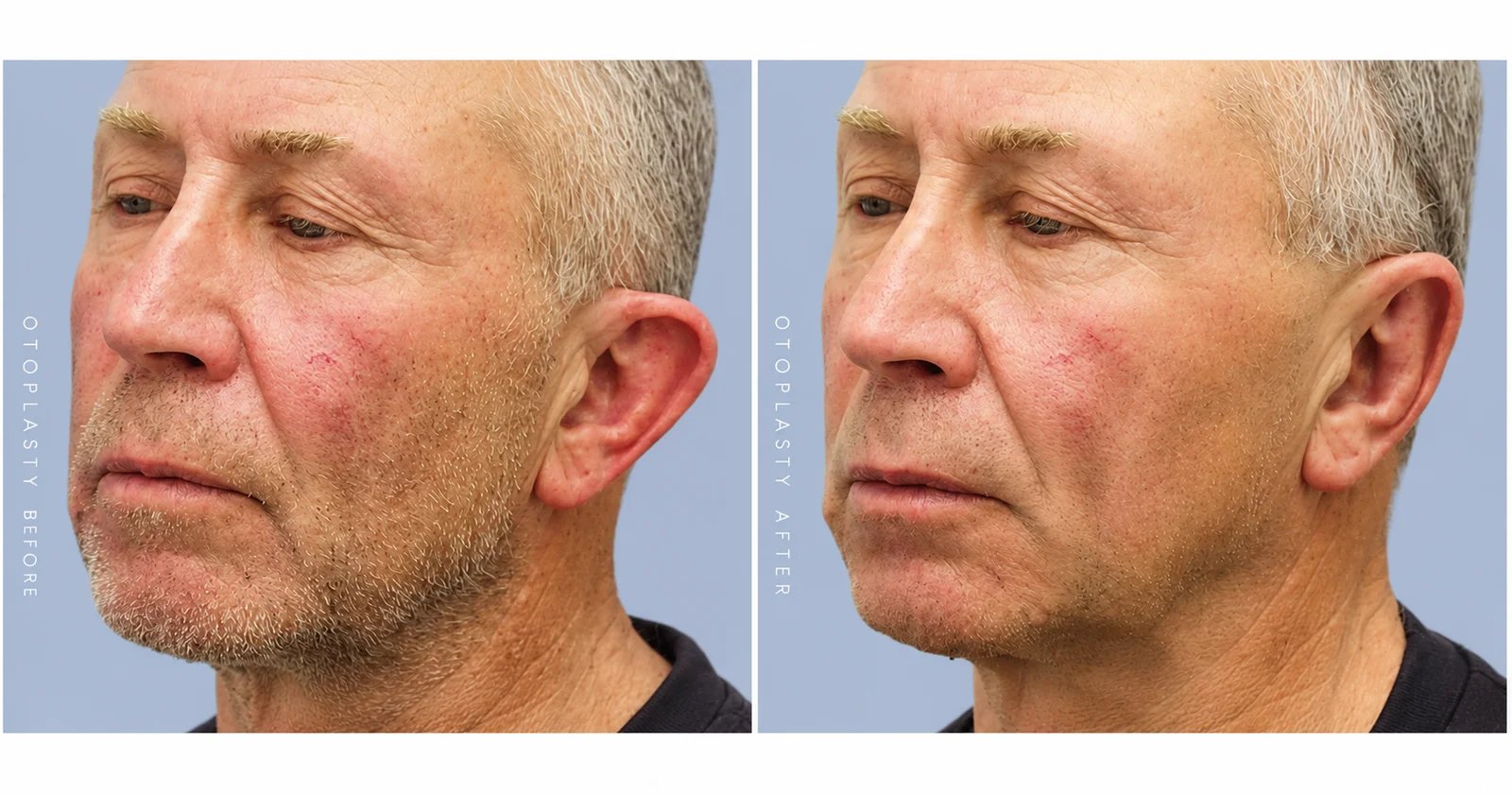
Otoplasty can address a range of ear concerns, including ears that protrude prominently from the head, asymmetry between the two ears, overly large ears relative to the rest of the face, and ears with an underdeveloped or unusually shaped antihelical fold, the natural curve along the upper ear that gives the ear its characteristic shape. The procedure works by reshaping the underlying cartilage, either by removing excess cartilage, reshaping it with precise sutures, or in some cases both, then closing the incision, which is typically placed in the natural crease behind the ear where it remains essentially invisible once healed.
For adult patients, otoplasty can also address changes that developed later in life, including ears that have become more prominent due to changes in cartilage elasticity with age, or asymmetry resulting from a previous injury or trauma to the ear that was never surgically corrected.
Why Adults Are Excellent Candidates
Adult patients bring several genuine advantages to otoplasty that are worth recognizing. Unlike children, adult patients can clearly articulate exactly what bothers them about their ear shape and what specific outcome they are hoping to achieve, which allows for a more precise, individualized surgical plan built around the patient's own stated goals rather than a parent's assessment of a child's needs. Adult patients also tend to follow post-operative care instructions more reliably, since they understand and are personally invested in the reasoning behind activity restrictions and headband use during recovery.
Adult ear cartilage, while slightly less pliable than a young child's cartilage, still responds well to the reshaping techniques used in otoplasty, and Dr. Doshi's approach accounts for this difference in cartilage character when planning the specific suturing and reshaping technique for each adult patient.
The Emotional Weight Adults Often Carry Into This Decision
Because ear-related teasing frequently occurs during childhood and adolescence, many adult otoplasty patients carry a longer history of self-consciousness around their ears than patients addressing most other cosmetic concerns. Some adults have spent decades adjusting their hairstyle specifically to cover their ears, avoiding ponytails, updos, or short haircuts they would otherwise prefer, simply to keep their ears hidden.
Dr. Doshi approaches these consultations with particular attention to this emotional history, recognizing that adult otoplasty patients are often addressing a concern that has quietly shaped personal choices for a very long time. Patients frequently describe a significant boost in confidence following surgery, not just because of the physical change itself, but because of the freedom to finally wear their hair however they choose without a lingering source of self-consciousness.
What an Adult Otoplasty Consultation Involves
During a consultation, Dr. Doshi evaluates the specific shape, size, and degree of protrusion of each ear, examines the underlying cartilage structure, and discusses the patient's specific goals in detail. Because adult ears have had decades to develop their final shape, this evaluation can be more precise than a similar evaluation performed on a child's still-developing ear, allowing Dr. Doshi to plan an approach tailored exactly to the adult patient's mature anatomy.
Patients are encouraged to bring photographs illustrating the specific changes they are hoping to see, along with an honest description of exactly which aspects of their ear shape bother them most, since this level of detail helps produce a surgical plan calibrated to the patient's actual priorities rather than a generic approach to ear reshaping.
The Otoplasty Procedure Itself
Adult otoplasty is typically performed under local anesthesia with sedation, though some patients opt for general anesthesia depending on personal preference and whether the procedure is combined with other treatments. The surgery itself generally takes between one and three hours depending on the complexity of the reshaping needed and whether both ears are being treated. Dr. Doshi accesses the cartilage through an incision placed behind the ear, in the natural crease where the ear meets the head, reshapes and repositions the cartilage using precise sutures, and closes the incision, resulting in a scar that is essentially hidden from view once healed.
Recovery After Adult Otoplasty
Recovery from otoplasty is generally more comfortable than many other facial procedures, since the surgery involves cartilage reshaping rather than more extensive tissue manipulation. Patients typically wear a protective headband or dressing for the first several days to support the ears in their new position as initial swelling resolves. Most adult patients return to work within a week, particularly those in less physically demanding roles, though patients are advised to avoid activities that risk direct impact to the ears, including contact sports, for several weeks following surgery.
Swelling and some mild discomfort in the first few days are managed with over-the-counter or prescribed pain medication, and most of the visible swelling resolves within two to three weeks. Final results, including the ears settling into their fully healed position and shape, typically become apparent within a few months.
Addressing Asymmetry From Old Injuries
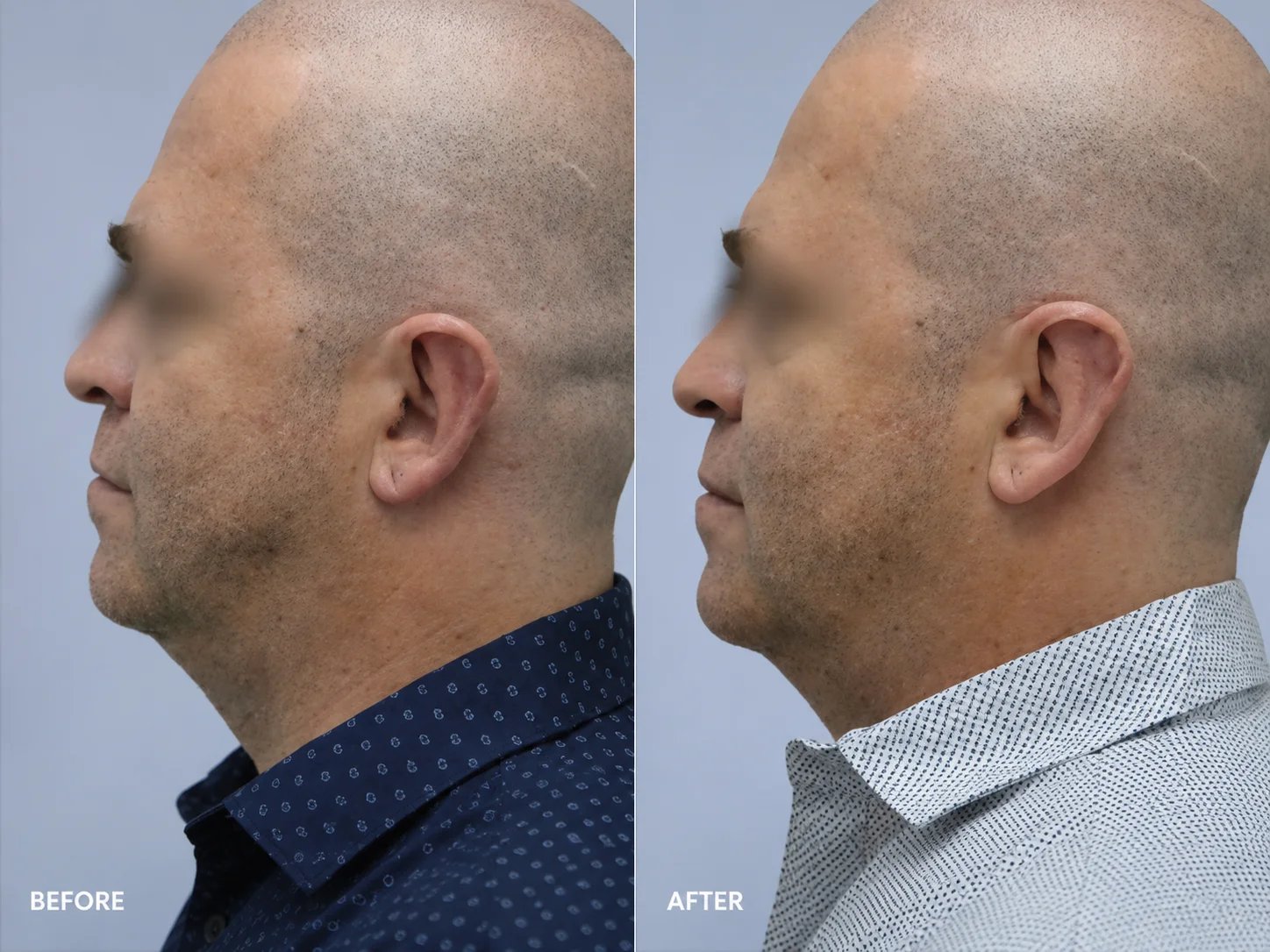
Some adult otoplasty patients are not addressing a lifelong concern about ear shape but rather a specific asymmetry that developed following an old injury, whether from an accident, a piercing complication, or another form of trauma to the ear that healed in a way that left it visibly different from the other ear. Dr. Doshi's evaluation for these cases includes careful attention to the specific anatomy of the affected ear and how best to restore symmetry with the unaffected ear, which may require a somewhat different surgical approach than a bilateral otoplasty addressing both ears for a congenital shape concern.
Combining Otoplasty With Other Procedures
Adult patients considering otoplasty sometimes choose to combine it with other facial procedures during the same surgical session, particularly if they are also interested in addressing signs of facial aging elsewhere. Because otoplasty is a relatively contained procedure with a comparatively short recovery, it can often be combined efficiently with other treatments without significantly extending overall recovery time, allowing patients to consolidate their surgical plans into a single procedure date when appropriate.
Why Age Is Not a Barrier to Good Results
Patients sometimes worry that pursuing otoplasty later in life means missing out on results as good as those achieved in childhood, but this is not the case. Because the ear cartilage has already reached its final adult shape and size, an adult otoplasty patient's results are, if anything, more predictable than results in a young child, whose ear is still subtly developing. There is no meaningful age at which otoplasty becomes less effective or less appropriate, provided the patient is in good general health and has realistic expectations about the procedure's outcome.
The Psychological Research Behind Ear-Related Self-Consciousness
Studies examining the psychological effects of prominent or asymmetric ears have consistently found that this specific facial feature carries an outsized impact on self-esteem relative to its objective visual prominence, particularly because ears are difficult to conceal without deliberately altering one's hairstyle every single day. Unlike many other facial features that can shift in and out of a person's awareness depending on lighting or angle, ear shape is a constant, unavoidable presence that many self-conscious individuals feel they are managing on a daily basis, whether through hairstyle choices, avoiding certain haircuts, or steering clear of activities like swimming that might expose the ears.
This research context is part of why Dr. Doshi takes adult patients' ear-related concerns seriously as a legitimate, often long-standing source of psychological distress rather than a minor cosmetic preference, and why he devotes real consultation time to understanding the specific history and emotional weight behind each patient's decision to finally pursue surgery.
How Otoplasty Techniques Have Evolved Over the Decades
Otoplasty techniques have advanced considerably since the procedure was first popularized, particularly in how surgeons approach cartilage reshaping. Earlier techniques relied more heavily on removing cartilage to reduce ear prominence, an approach that could sometimes result in an overly flattened or unnatural appearance if too much cartilage was removed. Modern otoplasty techniques, including those Dr. Doshi employs, place greater emphasis on reshaping and repositioning existing cartilage through precise suturing techniques rather than removing tissue, preserving more of the ear's natural structure while still achieving the desired reduction in prominence.
This evolution in technique is particularly relevant for adult patients, some of whom may have seen older photographs or heard stories of less refined otoplasty results from decades past and may carry outdated assumptions about what the procedure can achieve today. Dr. Doshi addresses these outdated assumptions directly during consultations, helping adult patients understand how significantly technique has advanced since earlier eras of ear surgery.
Addressing Constricted Ear and Other Structural Variations
Beyond the most commonly discussed concern of simple ear protrusion, some adult patients present with more specific structural variations, including a constricted or "lop ear" deformity, in which the upper portion of the ear folds over more than typical, or a Stahl's ear deformity, involving an unusual extra fold or crease in the ear's cartilage. These more specific structural variations, often present since birth but sometimes not addressed during childhood for various reasons, can also be corrected through otoplasty in adulthood, though the specific surgical technique required may differ somewhat from a standard prominent-ear correction.
Dr. Doshi's evaluation during the initial consultation identifies the specific structural characteristics present in each patient's ears, ensuring the surgical plan is tailored to the actual anatomical variation involved rather than assuming every case represents the same straightforward protruding-ear correction.
The Role of Family History in Adult Otoplasty Decisions
Ear shape, including the tendency toward prominence or specific structural variations, often runs in families, and some adult patients report having watched a parent or sibling either pursue or decline otoplasty earlier in life, which can meaningfully shape their own eventual decision. Patients with a strong family history of ear-related self-consciousness sometimes arrive at their own decision to pursue otoplasty only after observing how a family member's life changed following their own surgery, whether that family member pursued the procedure in childhood or, more relevantly for adult patients, later in life themselves.
This family context, while not clinically necessary information for planning the surgery itself, often helps Dr. Doshi understand the broader personal and family narrative a patient brings into their decision, supporting a more complete, empathetic consultation experience.
Combining Otoplasty With Non-Surgical Ear-Adjacent Treatments
Some adult otoplasty patients are also interested in addressing related cosmetic concerns in the immediately surrounding area, such as earlobe rejuvenation for lobes that have stretched or thinned over years of wearing heavy earrings, or earlobe repair for a torn or elongated piercing hole. While these are technically distinct procedures from otoplasty itself, addressing them during the same consultation and, in some cases, the same surgical session, allows patients to achieve a more comprehensive refresh of their overall ear appearance in a single coordinated treatment plan.
What Adult Patients Say About Their Decision in Retrospect
While every patient's experience is individual, a recurring theme among adult otoplasty patients, reflected in the broader body of patient testimonials across facial plastic surgery practices generally, is a sense of relief and, often, regret that they did not pursue the procedure sooner once they see and feel the results. Patients frequently describe newfound freedom in choosing hairstyles, increased confidence in social and professional settings, and a sense that a long-standing, quiet source of self-consciousness has finally been resolved. This pattern of retrospective satisfaction is part of why Dr. Doshi encourages any adult who has been considering otoplasty, even after years of hesitation, to at least schedule a consultation to understand their specific options rather than continuing to defer a decision indefinitely.
Understanding the Anesthesia Options Available to Adult Patients
Adult otoplasty patients generally have more flexibility in choosing their anesthesia approach compared to pediatric patients, who typically require general anesthesia regardless of the specific procedure being performed. Many adults choose local anesthesia combined with mild oral or intravenous sedation, allowing them to remain comfortable and relaxed throughout the procedure while avoiding some of the recovery considerations associated with general anesthesia, including the grogginess and, in some cases, nausea that can follow a general anesthetic. Other adult patients, particularly those who feel more comfortable being fully asleep during any surgical procedure regardless of its scope, opt for general anesthesia instead.
Dr. Doshi discusses both options directly during the consultation, helping each patient choose the approach that best matches their personal comfort level and any relevant health considerations that might make one option more appropriate than the other for their specific situation.
How Otoplasty Fits Into a Broader Facial Harmony Evaluation
While otoplasty is often discussed as an isolated procedure addressing the ears specifically, Dr. Doshi's evaluation process considers how ear position and size relate to the rest of the facial profile, since the ears play a role, even if a subtle one, in the overall balance and harmony of the face when viewed from various angles. For most patients, this broader context does not change the fundamental surgical plan, but it does inform subtle decisions about exactly how much reshaping to pursue, aiming for a result that looks proportionate and natural relative to the patient's specific facial structure rather than an arbitrary, generic ear shape applied without this broader context in mind.
Common Misconceptions Adult Patients Have Before Their Consultation
Beyond the assumption that otoplasty is only for children, adult patients frequently arrive at their first consultation with several other misconceptions worth addressing directly. Some assume the procedure will be extremely painful, when in reality most patients describe manageable discomfort well controlled with standard pain medication. Others assume the recovery will require weeks away from normal life, when in fact most adult patients are back to work and most social activities within about a week. Still others worry that the results will look obviously "done" or unnatural, when a well-executed otoplasty, using modern cartilage-preserving techniques, should produce a result that looks like a natural, balanced ear shape rather than an artificially altered one.
Dr. Doshi addresses each of these common misconceptions directly during consultations, providing adult patients with an accurate, realistic picture of the procedure that often differs meaningfully from assumptions formed years or decades earlier, sometimes based on outdated information or secondhand stories about less refined surgical techniques from the past.
The Importance of Choosing a Surgeon With Specific Facial Plastic Surgery Training
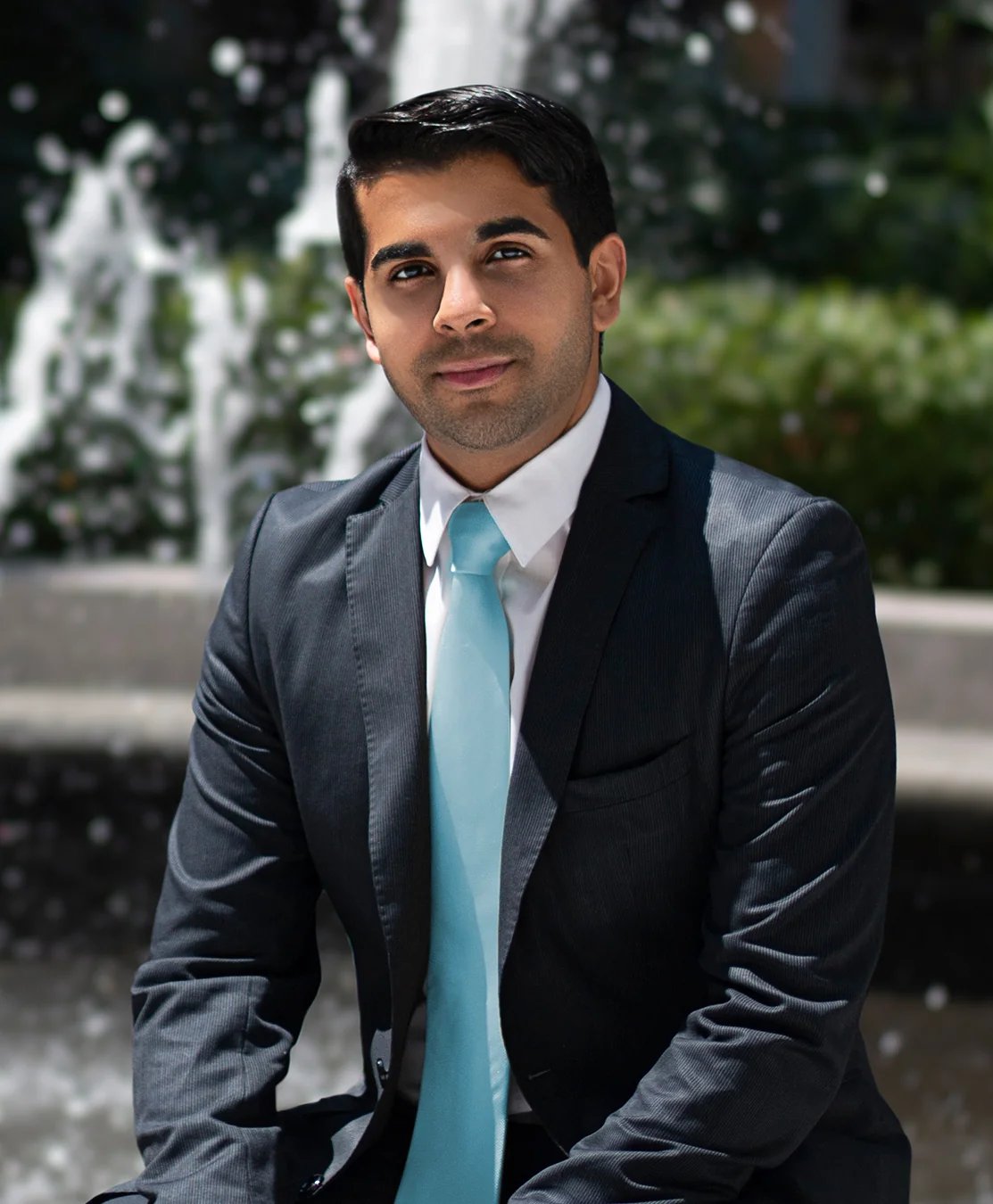
While otoplasty might appear to be a relatively straightforward procedure on the surface, the ear is a complex, three-dimensional cartilage structure, and achieving a natural, well-balanced result requires genuine artistic judgment alongside technical surgical skill. Dr. Doshi's dual training, spanning otolaryngology and head and neck surgery in addition to a competitive facial plastic surgery fellowship, provides a depth of experience with the head and neck region broadly, including the specific cartilage-handling skills directly relevant to otoplasty.
Patients researching where to have adult otoplasty performed on Long Island should ask directly about a surgeon's specific volume of otoplasty cases, since this is a procedure where experience with the specific nuances of cartilage reshaping meaningfully affects the naturalness and symmetry of the final result, more so than with some more standardized surgical procedures.
Considering Both Ears vs. a Single Ear Correction
Some adult patients present with a concern affecting only one ear, whether due to asymmetry that has always been present or a change resulting from a specific injury, while others are addressing bilateral prominence affecting both ears roughly equally. Dr. Doshi's surgical approach differs somewhat depending on whether one or both ears require correction, since achieving symmetry between a surgically corrected ear and an unaltered ear requires careful attention to matching the specific characteristics of the natural ear, whereas correcting both ears allows for a more straightforward application of a consistent surgical plan across both sides.
Patients with single-ear asymmetry should specifically discuss this nuance during their consultation, since achieving a well-matched, symmetric final result in this scenario requires a somewhat different level of surgical precision than a standard bilateral otoplasty.
What Adult Patients Should Discuss With Their Employer or Workplace
Because adult otoplasty recovery is relatively brief compared to many other facial procedures, most working adults do not need to disclose the specific nature of their procedure to their employer, and many patients simply describe taking a short personal leave or vacation time to cover their recovery period. Patients in customer-facing or highly visible professional roles sometimes plan their surgery around a period when they have some flexibility to work remotely or take additional time if swelling or a protective headband might be more noticeable than they would prefer in an in-person work setting. Dr. Doshi's office can provide a general timeline for when swelling and any visible signs of recent surgery are likely to have resolved sufficiently for a return to typical in-person work responsibilities, helping patients plan their specific time-off needs around their own professional context.
A Note on Cost Considerations for Adult Otoplasty
Like most cosmetic procedures, adult otoplasty pricing reflects the surgeon's specific training and experience, the anesthesia approach chosen, and whether one or both ears require correction, since bilateral procedures generally involve more total surgical time than a single-ear correction. Because otoplasty is considered an elective cosmetic procedure in the vast majority of adult cases, it is typically not covered by insurance, though patients pursuing correction specifically related to a documented traumatic injury may want to discuss potential coverage considerations with both their surgeon's office and their insurance provider, since these cases can sometimes be evaluated differently than a purely cosmetic request.