
Before getting to the checklist, it's worth understanding the surgical philosophy that connects to it, since the two are more related than they might initially seem. Preservation rhinoplasty is one approach among several within the broader category of nose surgery built around a specific principle: taking only what's genuinely necessary to achieve a patient's aesthetic and functional goals, rather than defaulting to more extensive removal and reconstruction of cartilage and bone regardless of whether that extent of change is actually needed.
In practice, this often means using specialized ultrasonic instrumentation to reshape bone with more precision than traditional instruments allow, reducing the extent of tissue trauma and, correspondingly, reducing swelling and bruising during recovery. It also means, philosophically, respecting a patient's existing nasal structure and, where relevant, their ethnic features, rather than approaching every rhinoplasty with an identical, standardized aesthetic target regardless of the patient's starting anatomy or their own stated goals about what they do and don't want changed.
This same restraint, doing only what's genuinely necessary rather than defaulting to maximal intervention, is exactly the principle that should guide a surgeon's screening decisions before surgery ever happens, which is where the checklist below comes in.
Red Flag One: A Long History of Prior Rhinoplasties
What it looks like: A patient presents having already undergone two, three, or more prior rhinoplasty procedures, sometimes far more, each intended to correct or improve upon the last, without ever reaching a result the patient is genuinely satisfied with.
Why it's a red flag: This pattern is one of the more well-recognized warning signs for body dysmorphic disorder, a condition in which a person's perception of a specific physical feature becomes disconnected from how that feature actually appears to others, driving a persistent, unsatisfiable pursuit of correction. A responsible surgeon evaluating a patient with an extensive history of prior rhinoplasties needs to consider seriously whether additional surgery is likely to provide genuine satisfaction, or whether it risks perpetuating a pattern that surgery itself cannot resolve.
What a responsible surgeon does: In cases involving a genuinely extensive prior surgical history without an underlying anatomical explanation, such as documented trauma, a cleft lip, or another congenital condition requiring ongoing correction, a responsible surgeon may decline to proceed, or may recommend a psychological evaluation before considering any further surgical intervention, even when the patient is requesting and willing to pay for another procedure.
Red Flag Two: A Physical Concern That Doesn't Match What's Actually Visible
What it looks like: A patient describes a specific flaw or asymmetry they find deeply distressing, but on physical examination, the concern is minimal, not clinically significant, or not something an objective observer would readily notice without the concern being pointed out to them.
Why it's a red flag: This mismatch between subjective distress and objective physical presentation is another core feature associated with body dysmorphic concerns, and it's a pattern that requires a different response than simply proceeding with the requested surgical correction, since the underlying distress is unlikely to resolve through a physical change to a feature that wasn't objectively significant to begin with.
What a responsible surgeon does: A careful, honest conversation about what the surgeon actually observes on exam, communicated respectfully rather than dismissively, is an important part of managing this situation appropriately, sometimes alongside a recommendation for additional evaluation before proceeding with elective surgery.
Red Flag Three: Requesting a Result That Would Erase Rather Than Refine
What it looks like: A patient requests changes that would significantly alter features connected to their ethnic or familial identity, sometimes explicitly asking for a nose that looks fundamentally different in structure from what would be expected given their broader facial features and background.
Why it's a red flag, or at least a conversation worth having directly: This isn't automatically inappropriate, patients are entitled to their own aesthetic preferences, and rhinoplasty is, in a real sense, deeply personal artistic collaboration between patient and surgeon. But a thoughtful surgeon has a responsibility to have an honest conversation about what's actually being requested, including whether the patient has genuinely considered preserving certain characteristic features rather than eliminating them entirely, and whether the requested result is realistically achievable given the patient's actual underlying bone and cartilage structure.
What a responsible surgeon does: Asks the patient directly and specifically what result they're hoping for, including whether they want to preserve any degree of their existing ethnic or family characteristics, treating this as a genuine, respectful conversation about the patient's own goals rather than assuming either extreme, that every patient wants maximal change or that no patient does.

Red Flag Four: Unrealistic Expectations About What Surgery Changes
What it looks like: A patient describes rhinoplasty as something they expect will resolve broader life dissatisfaction, social anxiety, or relationship difficulties, framing the surgery as a turning point for problems that extend well beyond their physical appearance.
Why it's a red flag: Rhinoplasty, like most cosmetic surgery, can meaningfully improve a patient's confidence and satisfaction with a specific physical feature, but it does not resolve unrelated psychological or life circumstances, and a patient expecting it to do so is likely to be disappointed even if the surgical result itself is technically excellent.
What a responsible surgeon does: Has a direct, honest conversation about what rhinoplasty can and cannot be expected to change, distinguishing clearly between improved satisfaction with a specific physical feature and broader life improvement, which surgery alone cannot deliver.
Red Flag Five: A Rushed Timeline With No Room for Reflection
What it looks like: A patient wants to schedule surgery immediately, resistant to a normal consultation and reflection period, sometimes citing an upcoming event or personal deadline as the reason for urgency.
Why it's a red flag: Rhinoplasty is a permanent, irreversible procedure, and a patient unwilling to take adequate time to reflect on their decision, review their surgical plan in detail, and ask questions is at higher risk of later regret or dissatisfaction, regardless of the technical quality of the surgery itself.
What a responsible surgeon does: Maintains a standard consultation and reflection timeline regardless of a patient's stated urgency, since a genuinely necessary and well-considered surgical decision should hold up to a reasonable waiting period, and a surgeon willing to bypass that standard timeline under pressure is not acting in the patient's actual best interest.
How This Screening Connects Back to Preservation Philosophy
Every one of these red flags reflects the same underlying question: is this specific surgical intervention actually necessary and likely to achieve a genuinely good outcome for this specific patient, or is it being pursued for reasons that surgery itself cannot resolve. This is precisely the same evaluative lens that preservation rhinoplasty technique applies at the tissue level, asking specifically what needs to change and preserving everything that doesn't, rather than defaulting to maximal intervention as a starting assumption.
A surgeon who takes this philosophy seriously at the consultation stage, screening thoughtfully for these red flags and being willing to decline or delay surgery when appropriate, is applying the same underlying judgment that shows up later in the operating room, taking only what's genuinely necessary rather than defaulting to more extensive intervention simply because it's technically possible or because a patient is requesting it.
What This Means for You as a Prospective Patient
If you're researching rhinoplasty and you recognize any of the patterns described above in your own situation, this isn't a reason to feel judged or dismissed, it's worth raising directly and honestly in your own consultation. A surgeon who takes the time to understand your full history, your specific goals, and your realistic expectations, and who is willing to have an honest conversation, including potentially recommending you wait, seek additional evaluation, or reconsider certain aspects of your request, is demonstrating exactly the kind of careful judgment this piece has been describing throughout. This is a sign of a surgeon prioritizing your genuine long-term wellbeing over simply fulfilling whatever is requested, which is a meaningfully different, and better, standard of care than one built around never saying no.
What a Thorough Preservation Rhinoplasty Consultation Actually Involves
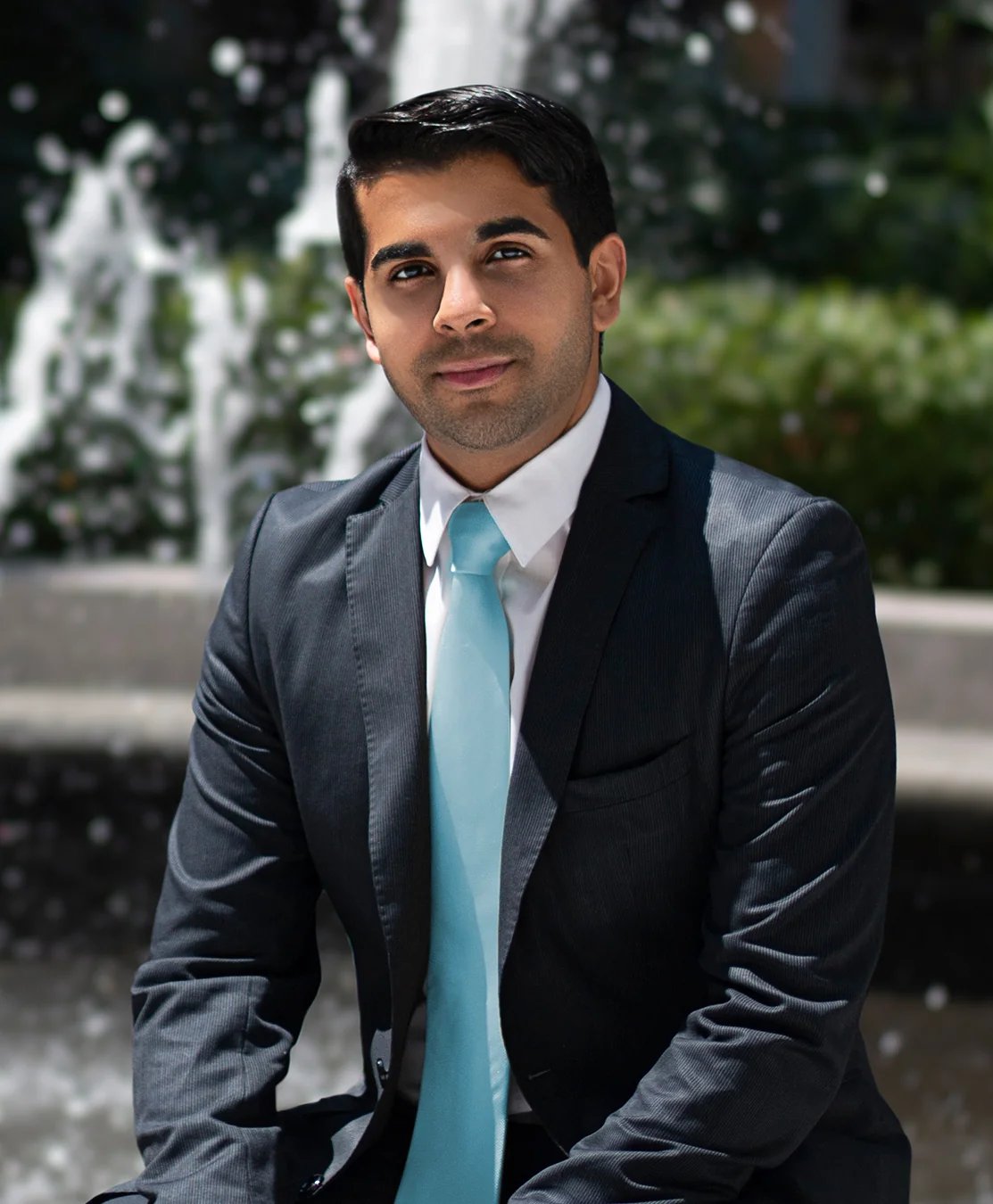
Beyond the screening conversation described above, a proper consultation with Dr. Doshi includes a detailed physical exam of your nasal structure, bone, cartilage, and skin thickness, a specific conversation about which features you want changed and which you want preserved, and a realistic discussion of what's achievable given your particular anatomy. For patients with prior rhinoplasty history, this also includes a careful review of what was done previously, sometimes overlapping with the kind of evaluation covered in our revision rhinoplasty content, and an honest assessment of whether further surgery is likely to achieve meaningful improvement.
Red Flag Six: Comparing Yourself Obsessively to a Specific Reference Image
What it looks like: A patient arrives with an extensive collection of reference photos, often of a single specific person or a narrow, highly specific ideal, expressing a need to match that reference as closely and precisely as possible, sometimes describing significant distress or preoccupation with the comparison itself.
Why it's a red flag: While reference photos are a completely normal, useful part of any rhinoplasty consultation, helping communicate aesthetic goals more precisely than verbal description alone, an intense, distressing preoccupation with matching a specific reference exactly, particularly when combined with an inability to articulate what specifically appeals about the reference beyond simply wanting to look identical to it, can reflect a rigid, perfectionistic thinking pattern associated with body dysmorphic concerns rather than a straightforward aesthetic preference.
What a responsible surgeon does: Distinguishes carefully between a patient using reference photos as a helpful communication tool, a completely normal and encouraged practice, and a patient whose relationship to a specific reference reflects a level of preoccupation and distress that warrants a more careful, direct conversation before proceeding.
Red Flag Seven: A Pattern of Provider Shopping After Consistent Feedback
What it looks like: A patient describes having consulted with multiple surgeons previously, several of whom independently expressed hesitation, recommended against surgery, or suggested additional evaluation before proceeding, and the patient is now seeking a provider willing to proceed without those same concerns.
Why it's a red flag: When multiple independent, qualified surgeons have raised similar concerns about a specific patient's candidacy, this consistency itself is meaningful information, not simply bad luck in surgeon selection. A pattern of seeking out a provider willing to proceed despite this consistent prior feedback is a recognized warning sign that the patient may be seeking someone willing to bypass appropriate screening rather than someone offering a genuinely different, equally valid clinical perspective.
What a responsible surgeon does: Asks directly about prior consultations and what feedback was given, and takes that history seriously as part of the current evaluation rather than treating each new consultation as a completely blank slate disconnected from a patient's documented prior experience.
What Good Screening Actually Feels Like From the Patient's Side
It's worth describing directly what this kind of careful, appropriate screening should actually feel like as a patient going through it, since the goal is never to make anyone feel accused or distrusted. A thoughtful consultation that includes this level of screening should feel like genuine curiosity and care about your specific situation and goals, not suspicion. You should feel like your surgeon is asking these questions because they're trying to give you the best possible outcome and protect you from a result or a decision you might later regret, not because they're looking for a reason to turn you away as a patient. If a screening conversation feels adversarial, dismissive, or judgmental rather than genuinely caring and thorough, that's worth noticing as its own separate signal about whether that specific provider relationship is the right fit for you, regardless of what their ultimate recommendation turns out to be.
A surgeon willing to say no, or to slow down and ask more questions, is often showing you exactly the judgment you want guiding the rest of your care.