Of all the procedures in facial plastic surgery, septoplasty is among the most commonly misunderstood, both by patients who do not know they need it and by patients who know they have a deviated septum but are unsure whether surgery is the right answer, or whether it can be combined with the cosmetic rhinoplasty they have also been considering.
The septum sits at the anatomical intersection of functional and aesthetic nasal surgery. When it deviates from the midline, as it does in a significant proportion of adults, it can obstruct one or both nasal passages, create breathing difficulties, contribute to recurrent sinus infections, and disrupt sleep quality. When a cosmetic rhinoplasty is being planned on the same nose, the septum's position and structural integrity become directly relevant to both the aesthetic outcome and the functional one.
Dr. Hardik Doshi's training as a double board-certified facial plastic surgeon and otolaryngologist, with both ABFPRS and ABOHNS certification, means he assesses every rhinoplasty patient's nasal airway alongside their aesthetic concerns. This is not an add-on consideration performed to satisfy a checklist. It is the foundation of a rhinoplasty approach that produces results that look good and function well, rather than results that look good on the outside while leaving a breathing problem entirely unaddressed.

This guide explains what the septum does, what a deviated septum means clinically, when septoplasty is indicated, how it interacts with cosmetic rhinoplasty, what insurance coverage typically applies for Long Island patients, and what recovery involves.
What the Septum Is and What It Does
The nasal septum is a wall of cartilage and bone that runs down the centre of the nose, dividing the nasal cavity into left and right passages. It is the structural foundation of the nasal airway and plays a direct role in how air moves through the nose during breathing. It also provides structural support for the nasal tip and the dorsum.
The Anatomy of the Septum
The septum has two primary components. The anterior portion is cartilaginous, the quadrangular cartilage that forms the moveable front portion of the dividing wall and extends to the columella, the soft tissue strip between the nostrils. The posterior portion is bony, formed by the vomer and the perpendicular plate of the ethmoid. The cartilaginous portion is the more clinically relevant for most septoplasty procedures, as it is more frequently displaced from the midline and more directly affects the nasal airway geometry at the site most relevant to nasal breathing.
The septum also provides critical structural support for the nasal tip and the dorsal bridge. When a rhinoplasty modifies the nasal tip or reduces the bridge height, the septum's structural integrity directly affects how those changes hold over time. A rhinoplasty that harvests septal cartilage for structural grafting, as preservation rhinoplasty frequently does, must account for the septum's supporting role and ensure adequate cartilage remains to maintain structural stability after harvest.
What a Deviated Septum Actually Means
A perfectly straight septum is the anatomical exception rather than the norm. Studies consistently estimate that the majority of adults have some degree of septal deviation, a displacement of the septum from the midline of the nasal cavity. In many patients this deviation is minor, creates no functional consequence, and requires no intervention. In others the deviation is significant enough to narrow one nasal passage meaningfully, obstruct airflow on a consistent basis, and produce symptoms that affect daily functioning and sleep.
The clinical relevance of a deviated septum depends not just on the degree of anatomical deviation but on its functional impact. A significant anatomical deviation in a patient with no symptoms does not automatically require surgery. A moderate deviation in a patient with chronic unilateral obstruction, recurrent sinus infections, and disrupted sleep quality is a genuine surgical indication. The assessment of functional impact is what drives the recommendation, not the anatomical finding alone.
When Septoplasty Is Indicated
Septoplasty is indicated when a deviated septum is producing documented functional impairment that has not responded adequately to conservative management. The clinical picture that brings Long Island patients to a septoplasty consultation typically includes one or more of the following.
Chronic Unilateral Nasal Obstruction
The most direct symptom of a deviated septum is persistent difficulty breathing through one nostril. Patients often describe knowing precisely which side is blocked. It is consistently the same side regardless of body position, season, or activity level. This is distinct from bilateral congestion that fluctuates with colds, allergies, or time of day. Unilateral, structural obstruction that does not change meaningfully with allergy treatment, nasal sprays, or anti-inflammatory medication is a clear functional indication for evaluation and, where the septum is confirmed as the structural cause, for septoplasty.
Recurrent Sinusitis
A deviated septum that obstructs the natural drainage pathways of the paranasal sinuses can contribute to recurrent or chronic sinusitis. Sinus infections that keep recurring despite antibiotic treatment, or chronic sinus pressure and congestion that does not fully resolve between acute episodes, may have a structural component that medical management alone cannot address. Identifying and correcting the structural cause of the drainage obstruction is often a necessary step in breaking the cycle of recurrent sinusitis.
Sleep-Disordered Breathing
Nasal obstruction from a deviated septum can contribute to sleep disruption through forced mouth breathing, increased snoring, and in some cases a contribution to obstructive sleep apnoea. Patients who notice consistently poor sleep quality, who wake with a dry mouth from mouth breathing, or whose partner reports significant snoring that worsened at a particular point in time, may find that addressing the septal deviation substantially improves their sleep pattern.
Failed Conservative Management
Before recommending septoplasty, Dr. Doshi ensures the patient has had an adequate trial of conservative management where relevant. Nasal steroid sprays for inflammatory components, appropriate allergy management where allergic rhinitis is a contributing factor, and nasal saline irrigation as a maintenance measure. When these measures have been tried for an adequate period and have not produced sufficient symptomatic relief, and the structural deviation is confirmed on examination, septoplasty is the appropriate next step.
Septoplasty and Rhinoplasty - The Overlap
This is the conversation that most clearly differentiates a rhinoplasty surgeon with ENT training from one without. Cosmetic rhinoplasty and septoplasty are not separate procedures that happen to involve the same nose. They are anatomically and technically interconnected in ways that affect both the surgical planning and the outcome of each.
The Structural Connection Between Septum and Rhinoplasty
The septum provides the central scaffolding around which the nasal tip and dorsum are supported. When a rhinoplasty modifies the tip, the septal cartilage is often the source material for the structural grafts that support and maintain the new tip position. A spreader graft to prevent internal valve collapse after dorsal reduction, a columellar strut to support tip projection, a shield graft to refine tip definition, all of these are commonly constructed from septal cartilage harvested during the same operative session.
A rhinoplasty surgeon who does not assess the septum before planning these grafts does not know how much cartilage is available, whether the deviation will affect the tip alignment after the cartilage is repositioned, or whether a concurrent septoplasty will alter the aesthetic result being planned. A surgeon with ENT training performs this assessment as a matter of clinical routine because they understand the septum as a structural element of the nose rather than as a separate functional system.
How Rhinoplasty Can Affect Breathing
Cosmetic rhinoplasty, particularly dorsal reduction to lower the nasal bridge, can affect nasal airway function if not planned carefully. Reducing the dorsal height narrows the internal nasal valve, the critical angle between the upper lateral cartilages and the septum through which a significant proportion of nasal airflow passes. In patients with already narrow internal valves or a mild pre-existing septal deviation, a dorsal reduction that does not include spreader grafts to maintain valve width can worsen the breathing postoperatively. A surgeon who assesses both the aesthetic goals and the functional anatomy together plans the dorsal reduction and the valve management as a single integrated surgical problem.
Addressing Both in One Surgery
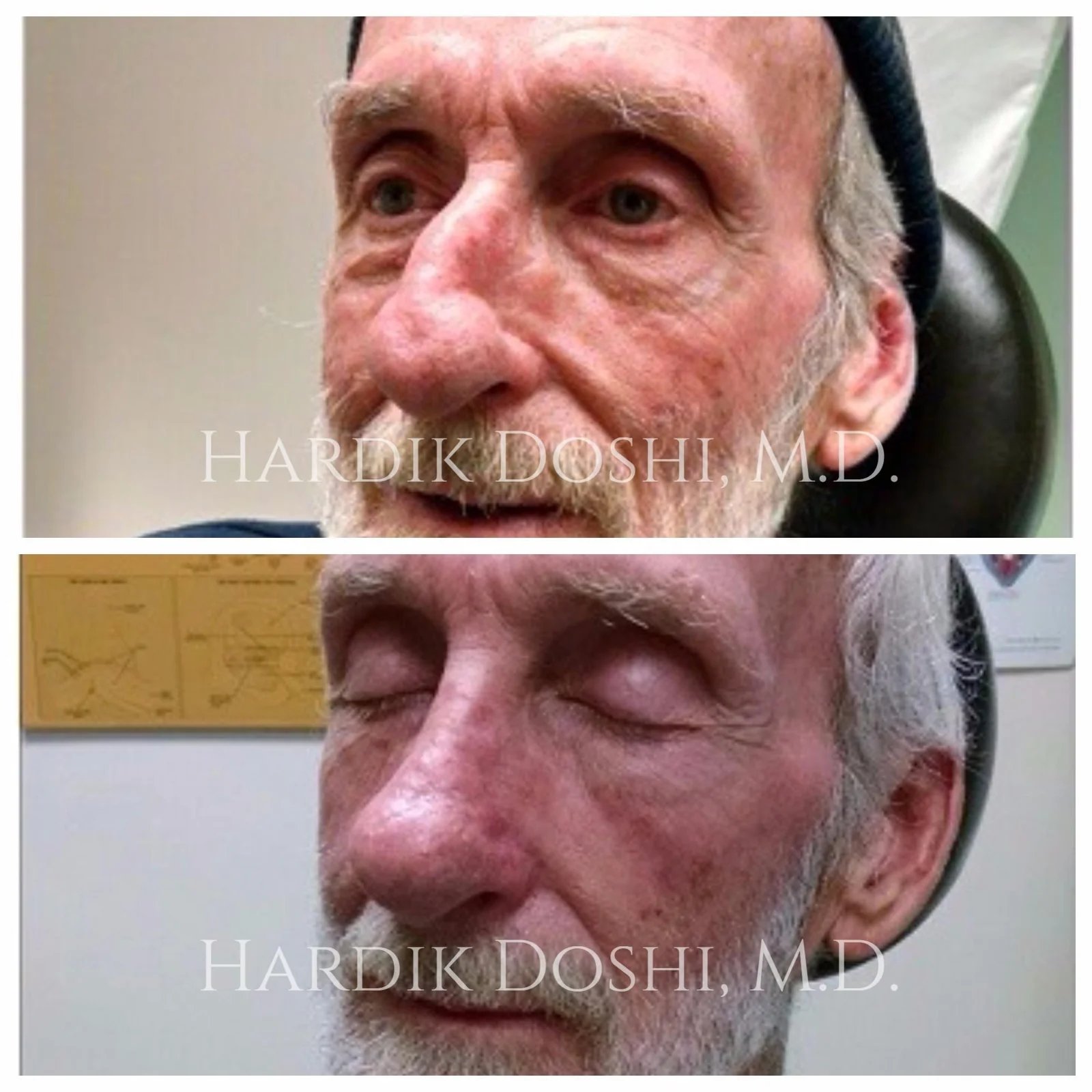
For patients with both a symptomatic deviated septum and cosmetic rhinoplasty concerns, addressing both in a single surgical session is clinically appropriate and practically advantageous. The combined procedure, technically called a septorhinoplasty, corrects the septal deviation, harvests the septal cartilage needed for structural grafts, performs the cosmetic modifications to the tip and dorsum, and manages the nasal valve architecture within a single anaesthetic. The recovery timeline is the same as rhinoplasty alone. There is no meaningful additional recovery burden from including the functional septal component.
Insurance Coverage on Long Island - The Financial Case
This is a conversation with genuine financial significance for Long Island and Manhattan patients. Septoplasty performed for documented functional indications is typically covered by health insurance. The cosmetic rhinoplasty component of the same surgery is not covered and is the patient's out-of-pocket responsibility.
What Insurance Typically Requires
Coverage of the functional septoplasty component typically requires documentation of the clinical indication, a history of nasal obstruction symptoms, documentation of the deviated septum on physical examination or imaging, and evidence that conservative management has been appropriately tried and has not produced sufficient relief. Dr. Doshi provides this documentation as part of the pre-operative work-up for patients with functional indications, and coordinates with the patient's insurance carrier before the procedure to establish coverage expectations and obtain pre-authorisation where required.
How the Fee Split Is Handled
In a combined septorhinoplasty, the surgeon's fee, the facility fee, and the anaesthesia fee are each apportioned between the functional and cosmetic components. The insurance covers the functional portion. The patient pays out-of-pocket for the cosmetic portion. This division is handled transparently at Doshi Plastic Surgery. Patients receive a clear breakdown of what is expected to be covered and what their out-of-pocket responsibility is before committing to the procedure, with the explicit caveat that insurance coverage is subject to the patient's specific policy terms and pre-authorisation outcome.
The Financial Advantage of Combination Surgery
For patients who have both concerns and are planning rhinoplasty, staging the procedures, cosmetic rhinoplasty in one session and septoplasty in a separate session, means two separate surgeries, two separate facility fees, two separate anaesthesia costs, and two recovery periods. Combining them in a single session, with the functional component at least partially covered by insurance, is frequently more economical in total than staging. This comparison is worth making explicitly during the rhinoplasty consultation for any patient who mentions breathing concerns alongside their aesthetic goals.
Septoplasty Technique - What the Surgery Involves
Septoplasty is performed entirely through the nose with no external incisions and no external scarring. The procedure is performed under general anaesthesia as a day case.
The Surgical Approach
Access to the septum is made through an incision inside the nose in the nasal mucosa. The mucosal lining is carefully elevated from the underlying cartilage and bone on one or both sides, exposing the deviated portions. The deviated cartilage and bone are then reshaped, scored, or selectively removed to straighten the septum and restore airway geometry, while leaving adequate cartilage in the anterior portion to maintain structural support of the nasal tip and dorsum. The mucosal lining is repositioned over the corrected septum and the incision is closed.
When Combined with Rhinoplasty
When septoplasty is performed simultaneously with cosmetic rhinoplasty, the septal work is typically performed at the beginning of the procedure. Establishing the structural foundation and harvesting the cartilage grafts that will be used for tip and dorsal work before committing to the aesthetic modifications ensures the surgeon knows exactly what material is available and how the corrected septal position will affect the final nasal geometry.
Turbinate Reduction
In patients whose nasal obstruction has both a septal and a turbinate component, the inferior turbinates being enlarged from chronic allergic rhinitis or chronic inflammation, turbinate reduction is often performed simultaneously with septoplasty. Addressing both the septal deviation and the turbinate enlargement in a single session produces a more complete functional improvement than addressing only one contributor to the obstruction.
Recovery - What Long Island Patients Should Expect
Septoplasty recovery is manageable and, when combined with rhinoplasty, follows the rhinoplasty timeline rather than adding to it.
The First Week
Internal packing or splints placed at the end of the procedure to support healing and reduce bleeding are typically removed at five to seven days at Dr. Doshi's office. During this period nasal breathing through the operated side is limited. Patients breathe more through the mouth than usual. This is uncomfortable but not concerning. Pain is typically mild to moderate and managed well with prescribed oral analgesics. Swelling around the nose is present. If rhinoplasty has been performed simultaneously, an external splint is worn for the first seven days.
Weeks Two to Four
After packing and splint removal, nasal breathing improves progressively as internal swelling resolves. The functional improvement from the septoplasty, the reduction in airway obstruction on the previously blocked side, typically becomes clearly noticeable within two to four weeks of the procedure as the internal swelling resolves. Most patients are comfortable returning to professional activities within one to two weeks.
The Full Recovery Timeline
The full functional benefit from septoplasty is typically experienced at six weeks, when internal swelling has substantially resolved and the corrected airway geometry is clearly established. For patients who have had simultaneous rhinoplasty, the external aesthetic refinement continues over twelve to eighteen months. The functional improvement from the septoplasty component is experienced on a much shorter timeline and is one of the more gratifying aspects of combined surgery for patients who have been living with the obstruction for years.
The Consultation at Doshi Plastic Surgery
The septoplasty consultation begins with a thorough symptom history. How long has the obstruction been present? Is it consistently one side or does it alternate? Does it change with body position, season, or allergy medication? Is there a history of recurrent sinus infections? How is sleep quality? Has the patient tried nasal steroid sprays and for how long with what result? These questions establish whether the obstruction has a predominantly structural cause, an inflammatory cause, or a combined cause, which directly affects the approach.
The physical examination includes anterior rhinoscopy to assess the septum position and the turbinate size directly, nasal endoscopy for a more detailed assessment of the posterior nasal anatomy including the choanae and the sinus drainage pathways, and an assessment of the external nasal anatomy for patients considering concurrent cosmetic work. Dr. Doshi's ABOHNS training means this examination is conducted with the same depth and thoroughness as an ENT subspecialist assessment.
For patients with both functional concerns and cosmetic rhinoplasty interest, the consultation addresses both simultaneously. The functional findings are discussed as an independent clinical matter and the cosmetic goals are discussed as a related but separate matter. The recommendation for combined septorhinoplasty is made when both sets of findings indicate intervention. Long Island patients benefit from Dr. Doshi's ability to assess both the functional and aesthetic components of the nasal anatomy together, rather than requiring separate specialist consultations and managing the integration themselves.
To arrange a septoplasty or septorhinoplasty consultation with Dr. Doshi on Long Island, visit doshiplasticsurgery.com/contact/