
Most people walk into a surgical consultation expecting one of two outcomes: a plan, or a price. Very few expect to hear the word no. Yet in a well-run practice, a no is not unusual, and it is often the most useful thing a surgeon can say. It may mean not yet. It may mean not that operation. In rare cases it means not from me. In every version, it is information, and what you do with it matters.
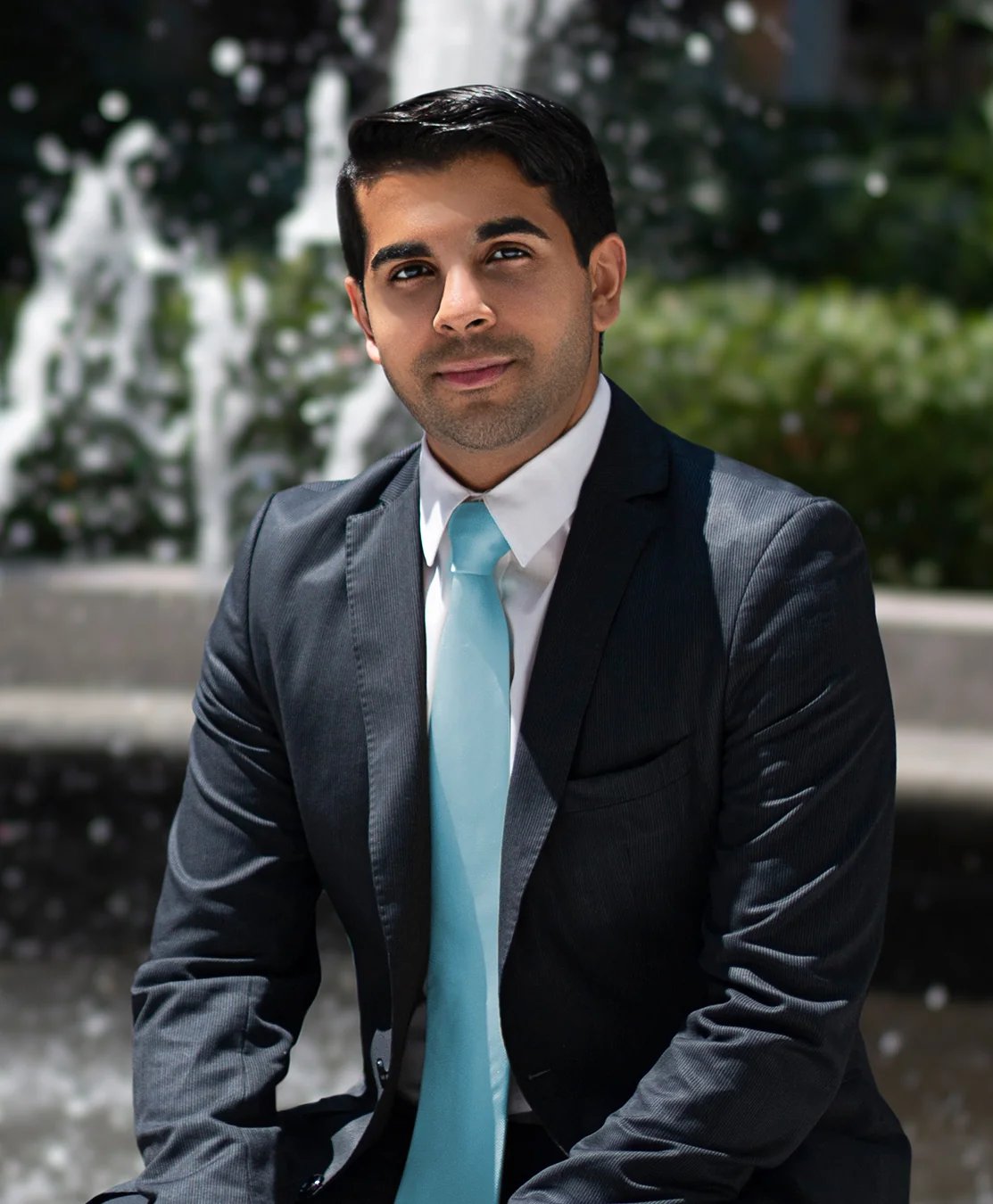
Dr. Hardik Doshi, a board certified facial plastic surgeon with offices on Long Island and in New York City, has said plainly that being able to perform a surgery does not make it the right answer for a patient. He aims to be as unaggressive as possible, narrows the discussion to a small set of options so patients are not overwhelmed, and refers people elsewhere when he does not believe he can deliver what they want. This guide describes six situations in which a thoughtful surgeon declines or defers, why each is a sign of good judgment instead of rejection, and how a patient can respond constructively. It is also a way of reading any surgeon you meet: the willingness to say no is one of the better signs that a yes will mean something.
What happens before anyone says anything
A no is only meaningful if it follows a real evaluation. In Dr. Doshi's practice, the process begins before the patient reaches the surgeon. A patient care coordinator screens inquiries first, checking whether the practice is the right fit and whether it has the skill set for what the patient wants. The aim is to avoid wasting anyone's time, and it means that by the time a patient is in the room, there is already a reasonable match.
Then comes the part that cannot be delegated. Dr. Doshi describes listening as the heart of the consultation, going through the history from the beginning and asking what the patient is trying to accomplish, why now, why not before and why it matters to them at all. The answers shape everything that follows. A patient who has wanted a change for ten years and a patient who decided last week are different cases.
No, not yet: the timing problem
The most common version of no is a question of when. The reasons are varied but share a theme: something about the patient's situation makes the operation less safe or less likely to succeed right now.
Age is one. Dr. Doshi has told fifteen-year-old patients considering rhinoplasty that the nose is still developing, and that they should come back at eighteen. Some did. Another is recent surgery. Tissue needs time to heal before it is operated on again, and a second operation that is too soon can produce more scarring and worse outcomes. Weight is a third. Someone who is in the middle of a large weight change will often be advised to wait until the body stabilizes, because the face and neck will look different afterward.
Health is another. Uncontrolled high blood pressure, active smoking or nicotine use, certain medications and untreated medical conditions raise surgical risk, and many surgeons will ask patients to optimize their health before proceeding. This is not an arbitrary hurdle. Nicotine, for example, constricts blood vessels and can compromise healing in operations that rely on well-perfused skin.
A not-yet is a plan in disguise. If your surgeon tells you to wait, ask what specifically needs to change, how it will be measured and when to revisit. A good answer includes a path back.
The quiet value of "let's look again in three months"
Some of the best outcomes in cosmetic surgery come from deferring a decision. A patient arrives upset about a feature that has bothered her for a few weeks. The surgeon offers to take photographs, review them together and meet again in three months. By then the feeling has often changed. She may no longer be bothered, or she may be bothered in a different, more specific way that suggests a clearer plan.
This kind of pause is not stalling. It is a filter that separates impulses from convictions. A concern that survives three months, six months or a year is far more likely to be a good basis for surgery than one that arrived in a moment of self-criticism. Surgeons who build this into their practice are protecting both the patient and the result.
Patients can use the same approach on themselves. Take photographs in good light every few weeks, and look at them later. Note whether your list of concerns is stable or shifting.
No, not that operation: the wrong-tool problem
Some patients arrive asking for a procedure that will not solve their concern. They want a facelift to fix a nose, or a brow lift when the problem is the eyelid, or a filler for something that needs a surgical solution. A surgeon who says no to the requested procedure is often saying yes to the right one.
The practice's discussions of eyelid surgery and the brow lift illustrate the point: the eye can look tired because of skin, fat, brow position or a combination, and operating on the wrong structure can leave the problem in place. In the same way, an injection for a double chin may be less appropriate than liposuction or a neck lift for a particular patient.
The opposite also happens. A patient who wants surgery may be better served by a non-surgical approach, or by no intervention. Dr. Doshi says he starts by assessing whether a patient is looking for something surgical or non-surgical and tries to be the least aggressive that will work. A surgeon who recommends a smaller step than the one you requested is not being timid. He is matching the tool to the problem.
When you hear this kind of no, ask what the recommended alternative would accomplish, what it would not accomplish and what would trigger a reconsideration of the original request.
No, not for that reason: the expectations problem
Surgery changes anatomy. It does not change a life, repair a relationship or erase a feeling. When a patient believes that an operation will accomplish something it cannot, a careful surgeon will say so.
Dr. Doshi begins consultations with the question of why: why this, why now, why not before. The answers reveal motivation. A patient who wants a facelift because she sees age in the mirror and wants to look more rested is in a different place from one who believes it will save a marriage. A patient who wants a rhinoplasty because the nose has bothered him for years is in a different place from one who wants to look like a specific person.
Unrealistic expectations are not a character flaw. They are common, and they respond to honest conversation. A surgeon might spend an entire visit adjusting expectations, using photographs of the patient's own face to show what is possible and what is not. Sometimes the patient comes around and proceeds with a goal that is more achievable. Sometimes she decides not to proceed, and that is also a good outcome.
No, not on that schedule: the safety-of-the-plan problem
Some requests fail not because of the operation but because of the plan around it. A patient wants three procedures in one day and a flight home the next. A patient wants surgery within a week of a major event. A patient has no one at home to help with recovery. A patient wants to skip follow-up visits.
These are reasons to adjust the plan, not to abandon the goal. Dr. Doshi describes a process with multiple touchpoints: a consultation, time to think, preoperative optimization, a pre-op visit, a review the morning of surgery and close follow-up afterward, including calls that evening and the next morning. He wants patients prepared for the stretch after surgery, including the period in which a facelift patient looks in the mirror and wonders what has happened to her face.
Older patients and the quiet no
A surgeon can also say no on the grounds of age, in the other direction. Dr. Doshi has noted that he has treated patients in their eighties who still care about how they look, and age alone is never a reason to decline. Health is. An older patient who is fit, well supported at home and clearly motivated can be an excellent candidate. One who has heart disease, takes blood thinners that cannot be paused or has no one to help afterward may need a different plan, such as a smaller procedure or a non-surgical approach.
The key is that the decision rests on the person, not the number. A thoughtful surgeon asks about daily life, stamina, medications and support, and designs the plan around real circumstances.
No, not another one: the "more" problem
Some of the hardest conversations involve patients who already have a good result and want more. A rhinoplasty patient whose nose is well proportioned asks for another small change. A facelift patient who looks natural wants it tighter. A patient who has had several procedures wants to keep going.
Dr. Doshi has described declining to do more surgery on a patient whose result was already good, because the additional work was not warranted. That decision cost him goodwill with the patient, but it was the right call. Operating again for the sake of operating exposes a patient to risk without clear benefit, and it can alter a result that was working.
There is also a pattern worth naming. Patients who repeatedly seek change, even after excellent results, may be dealing with distress that surgery will not relieve. Dr. Doshi says that he may involve a psychiatrist to confirm that a patient is right for surgery when there is concern. This is a recognized part of responsible practice in cosmetic surgery, and it does not imply that the patient is unwell. It reflects the reality that the mind and the mirror are connected.
If you hear this kind of no, a useful response is to ask what the surgeon sees in your current result that makes further surgery unnecessary, and whether a second opinion would be worth getting. Sometimes the right move is to live with the result for several months and review it again.
What a no costs a surgeon
It is worth being honest about the economics. A surgeon who declines a patient gives up a consultation, a procedure and sometimes the goodwill of someone who leaves unhappy. Those costs are real, and they are part of why a no deserves attention. It suggests that the surgeon is weighing the patient's interest against his own.
Dr. Doshi's stated priorities are safety, education and thoughtful options, and he describes giving patients enough information that they stay out of trouble, even if they do not choose to proceed with him. Patients who feel that way about a practice tend to return when the timing is right, or to refer others. Over many years, that is a better foundation for a practice than any single operation.
No, not by me: the fit problem
Occasionally a surgeon decides that the best answer is a referral. The patient's concern may be outside his area of expertise. The result the patient wants may not be one he believes he can deliver. The patient's aesthetic may differ from his own in ways that make a good match unlikely.
Dr. Doshi has said that if he does not feel he can do something for a patient, he will refer them to a good person. That is a sign of confidence, not weakness. Surgeons have specialties within specialties, and some patients are best served by someone who does a particular operation every day.
Fit also matters in subtler ways. A surgeon and patient need to share enough of an aesthetic vocabulary that the surgeon can interpret what the patient is asking for. Dr. Doshi observes that many revision patients report that their previous surgeon did not listen. A nose may be technically beautiful but still not what the patient wanted. A candid surgeon who recognizes a mismatch early saves everyone from that experience.
If you receive a referral, ask for the reasoning and, if possible, for names. A referral from a surgeon who turned you down is often more reliable than an advertisement.
Phrases worth treating with caution
While a no can be a sign of integrity, certain phrases from the other direction deserve a pause. "Everyone gets this done" is not a medical reason. "You have to decide today" is a sales technique, since a sound operation does not expire at the end of a visit. "We can always fix it later" understates the difficulty of revision, which is almost always harder than a first operation. "This will change your life" promises an effect that surgery cannot guarantee. And "you don't need to see anyone else" discourages the second opinion that a confident surgeon should welcome.
None of these phrases proves bad intent, but a pattern of them is a reason to slow down. The better signals are the opposite: a surgeon who invites questions, offers time, acknowledges limits and describes risks in plain words.
How to tell a no from a sales tactic
Not every no is an act of integrity. A surgeon can say no to a procedure in order to steer a patient toward a more expensive one, or to create urgency. A few signals help distinguish an honest no from a tactic.
An honest no explains its reasoning in terms of your anatomy, health or goals, and it offers a path forward. A tactical no is vague, pushes you toward a different product without explaining why and often comes with a deadline. An honest no is willing to be tested: you can ask for photographs, for a second opinion or for time to think, and the surgeon will not pressure you. An honest no also tends to be consistent with the surgeon's other recommendations, so you will not see him recommending every procedure to every patient.
Preparing to hear a no
Few people prepare for the possibility, so it helps to think about it in advance. Bring someone with you if you can. A second set of ears catches details that stress makes you miss. Write down your questions, and write down the answers. Take notes on the reasons given for any recommendation, and ask whether the reasoning would change if one factor changed.
It also helps to learn the basic vocabulary of the procedure you are considering. A patient who understands the main options, for instance the different kinds of facelift, can ask sharper questions and recognize when a recommendation fits. You do not need to become an expert, but you will have a better conversation if you arrive with a framework.
Finally, decide in advance how you will respond if the answer is not what you hoped. Giving yourself permission to take a day before reacting prevents the common mistake of rushing to another surgeon who will say yes.
What to do with a no
A no can feel like a closed door. It does not have to be. A constructive response has several parts.
Ask for the reasoning in plain terms. What exactly makes this inadvisable? Is it permanent or temporary? What would change the answer? A surgeon who can explain in specifics is doing his job.
Consider what the no is protecting. Often it is protecting a result you would not want, such as a nose that stopped growing the wrong way, a face that looks over-pulled or a scar that did not need to exist.
Get a second opinion if you are unsure. A second opinion is not disloyal. It is reasonable to hear from another qualified surgeon, particularly when the first answer surprised you. Look for someone who is similarly credentialed so the comparison is meaningful. If two qualified surgeons independently reach the same conclusion, that is strong evidence.
Look at alternatives. Many concerns have more than one solution, and the best may not be the one you arrived with.
Give it time. Several months after a no, many patients find that the concern has softened, or that they have clarified what they want, or that circumstances have changed. Returning later is a normal part of the process.
When the patient is the one who says no
The most important no in any consultation may be the patient's. Leaving without booking is a perfectly legitimate outcome. You might feel unsure about the surgeon, uncomfortable with the plan or simply not ready. None of those requires an apology or an explanation beyond a polite thank you.
Pay attention to how the practice responds. Good practices make it easy to take time, answer follow-up questions by phone or message and offer a second visit without pressure. A practice that becomes pushy or cool after a patient hesitates is showing its character. Trust the impression, and remember that the decision is yours.
When the answer is yes, but with conditions
Not every conversation ends in a flat yes or no. Often the answer is a conditional yes. Yes, if you stop smoking for a defined period. Yes, if you lose or stabilize weight. Yes, if we do the eyelids first and revisit the brow. Yes, if you can arrange two weeks of help at home.
Conditions are a form of care. They convert a risky plan into a safer one. A patient who hears them should ask which conditions are essential and which are preferences, and what the surgeon will do if conditions cannot be met. A conditional yes often becomes the best version of the plan.
Revision patients and the listening problem
Among the patients who hear a no most often are those who come for revision surgery, particularly after an operation elsewhere. The surgeon examines the nose, the face or the eyelids and sometimes concludes that the result is better than the patient believes, or that further surgery would risk making it worse.
This is a delicate conversation. A patient who is distressed about a result needs to be heard, and a surgeon who dismisses that distress fails her. But a surgeon who operates simply because the patient is unhappy is not helping either. The most useful approach is to examine the problem carefully, explain what can and cannot be improved and, if revision is appropriate, to take the time to plan it thoroughly. The practice describes this approach in its pages on revision rhinoplasty and revision facelift.
Dr. Doshi has noted that a large share of revision patients say their original surgeon did not listen. The lesson for any patient is to choose a surgeon who asks questions and to be specific about what you want to keep as well as what you want to change.
Questions that invite an honest answer
If you want to learn how a surgeon thinks about no, ask directly. What kinds of patients do you decline? When have you recommended against surgery that someone requested? What would make you refer me elsewhere? How do you handle a patient who is unhappy with a result that looks good to you? Who will be involved in my care after surgery, and how do I reach them?
The answers tell you more than a gallery of photographs. A surgeon who can tell stories about saying no, with specifics and without defensiveness, is a surgeon whose yes carries weight.
A no that arrives early, honestly and with reasons is a gift in that process, because it saves you from an operation you might have regretted and points you toward the one you actually need.