Buccal Fat
- Buccal Fat
Procedure:
Buccal Fat Removal
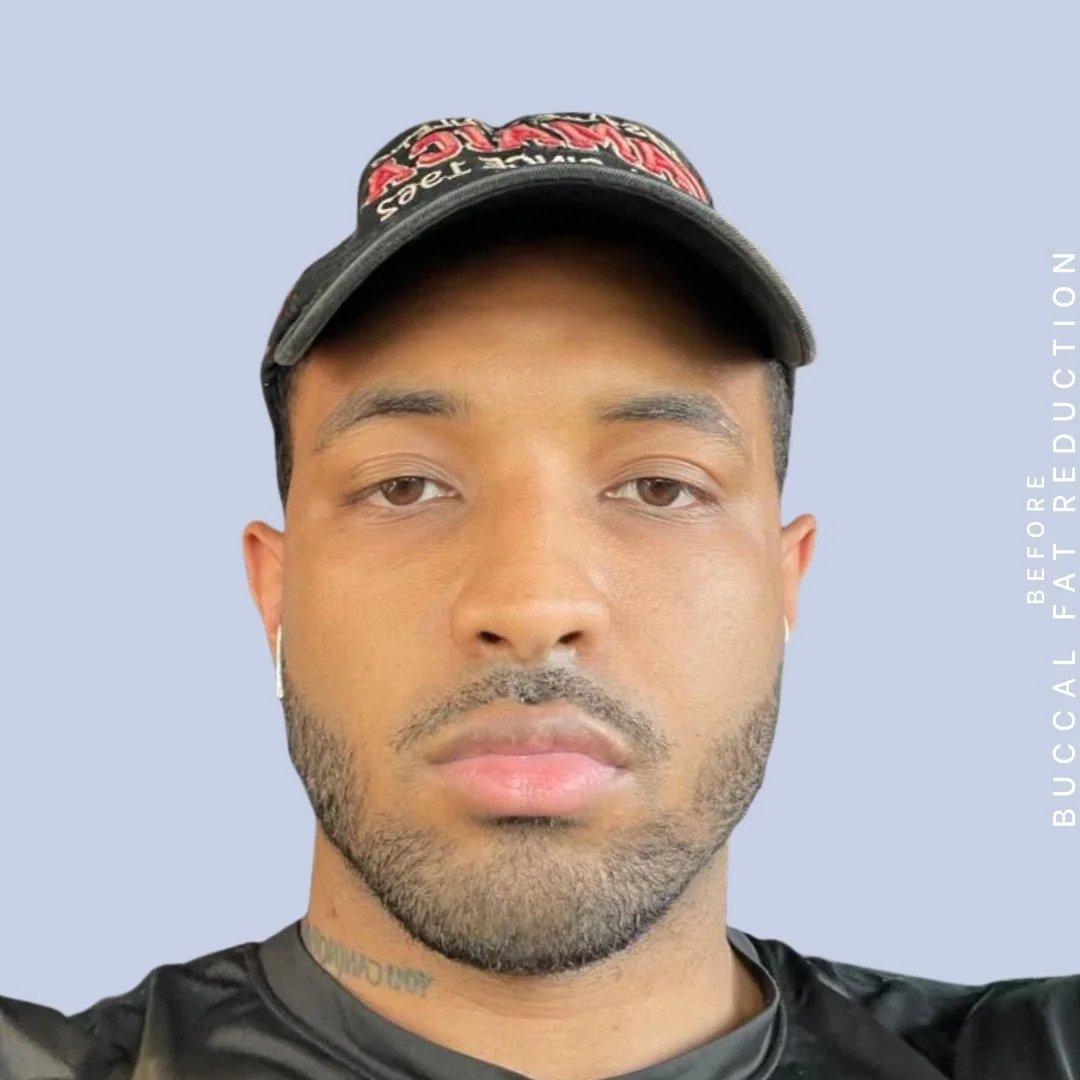
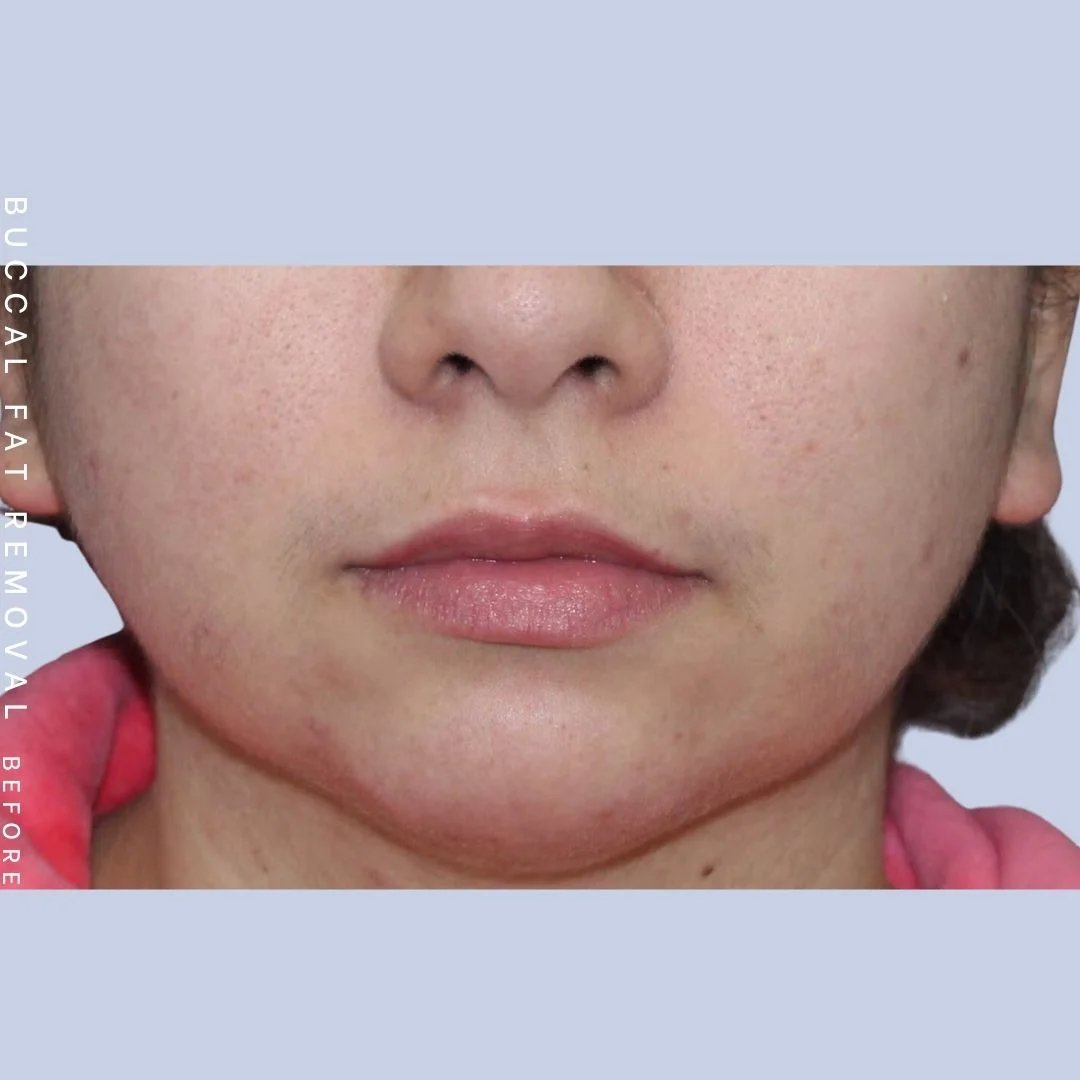
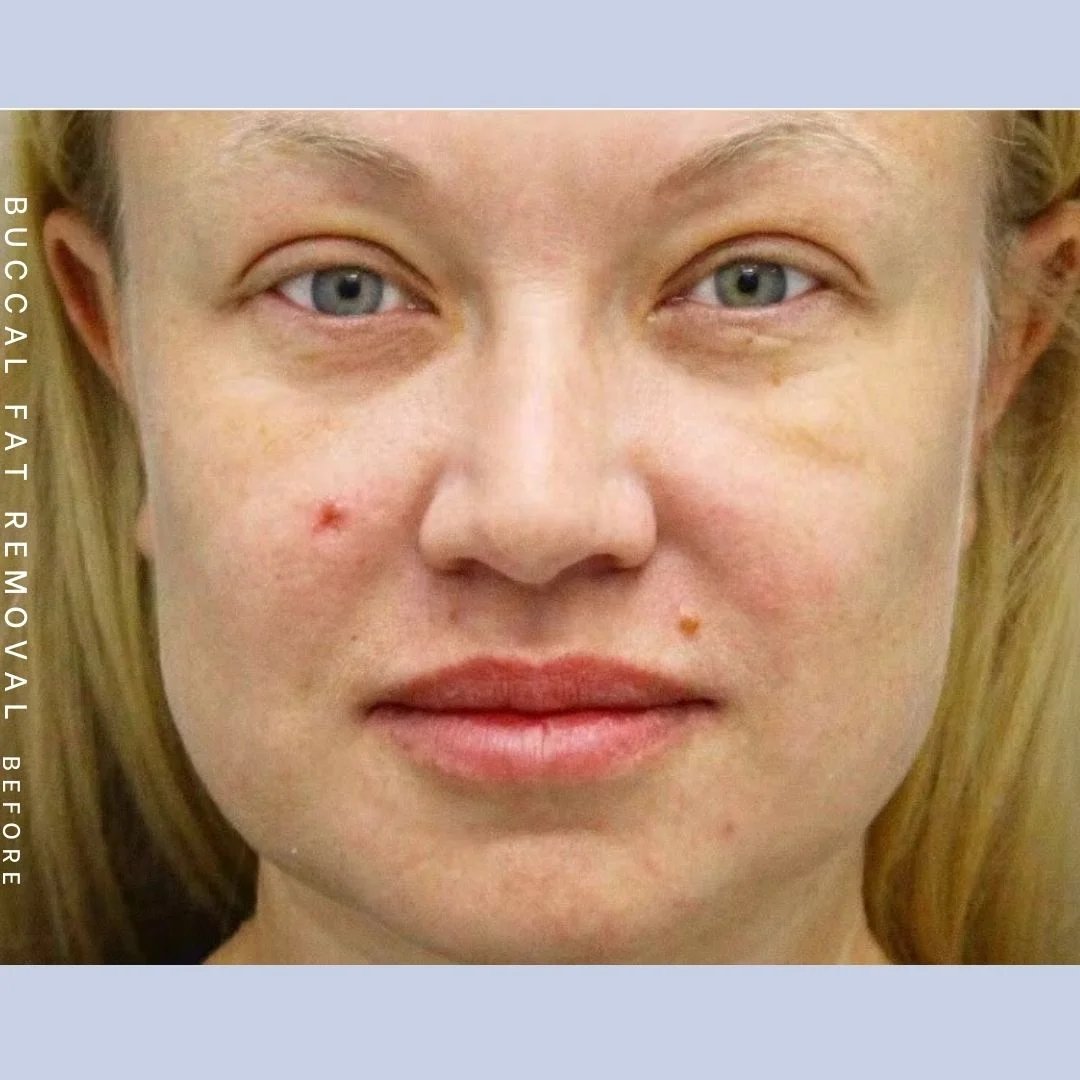
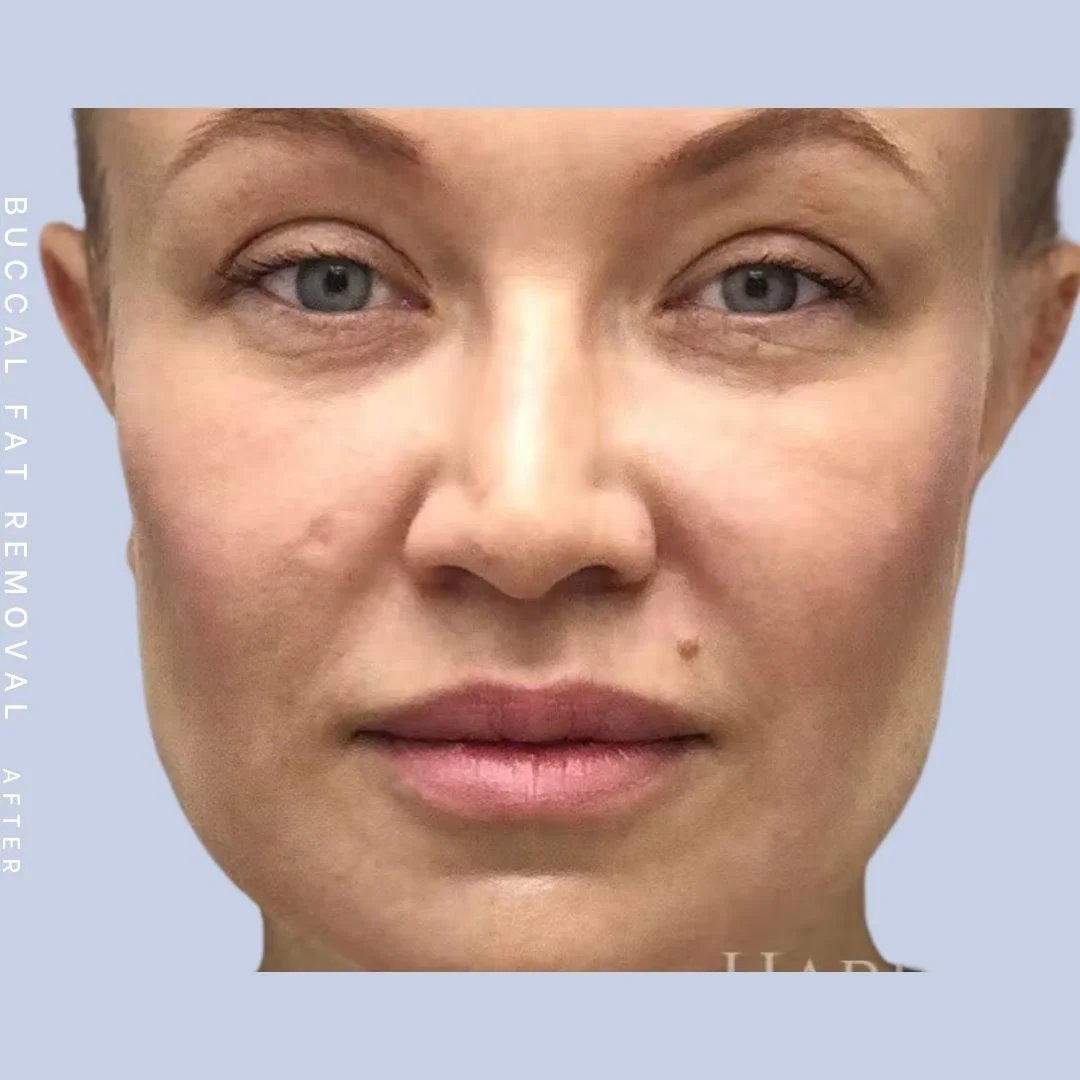
This case shows the kind of change buccal fat removal is meant to make: a reduction in lower cheek fullness that reveals more of the underlying bone structure, particularly along the cheekbone and upper jaw, without altering the rest of the face. The buccal fat pad sits deep to the cheek muscles, so removing it changes the internal contour of the cheek rather than affecting the skin's surface directly, which is why results tend to look structural rather than like the skin itself was treated. Swelling after the procedure follows a fairly standard pattern: it's most pronounced in the first week, noticeably improved by two weeks, and the final cheek contour is usually clear by around four to six weeks once residual swelling fully resolves. Dr. Hardik Doshi has noted that experience with a high volume of facial procedures informs not just how a surgery is performed but how much tissue to remove for a given patient's facial structure, since buccal fat removal is one of the few facial procedures where more isn't necessarily better. Removing too much can create a gaunt look later in life, when natural facial fat volume decreases further with age, so the amount removed here was planned around this patient's existing cheek fullness and bone structure specifically rather than a standard volume. Patients considering this procedure are evaluated individually for how much buccal fat they actually have and how their face is likely to change with normal aging, which is part of what's assessed during an in-person consultation.
Frequently Asked Questions
Is buccal fat removal permanent?
Yes. The fat pads removed during the procedure don't regenerate, so the change in cheek contour is permanent, though the face will continue to age and change shape naturally afterward, which is a separate process from the surgical result.
Can too much buccal fat be removed?
Removing too much can lead to a hollowed or gaunt appearance later in life, as natural facial fat volume decreases further with age on top of the fat already removed. This is why the amount removed is planned conservatively around each patient's existing facial structure.
How long does swelling last after buccal fat removal?
Swelling is most noticeable in the first week, improves significantly by two weeks, and the final cheek contour is usually visible by around four to six weeks.
Am I a good candidate for buccal fat removal?
Good candidates typically have naturally full cheeks that don't change much with weight loss and stable facial fat distribution. This is assessed individually during a consultation, since the same procedure can look very different depending on a patient's existing bone structure.
View Other Patients