




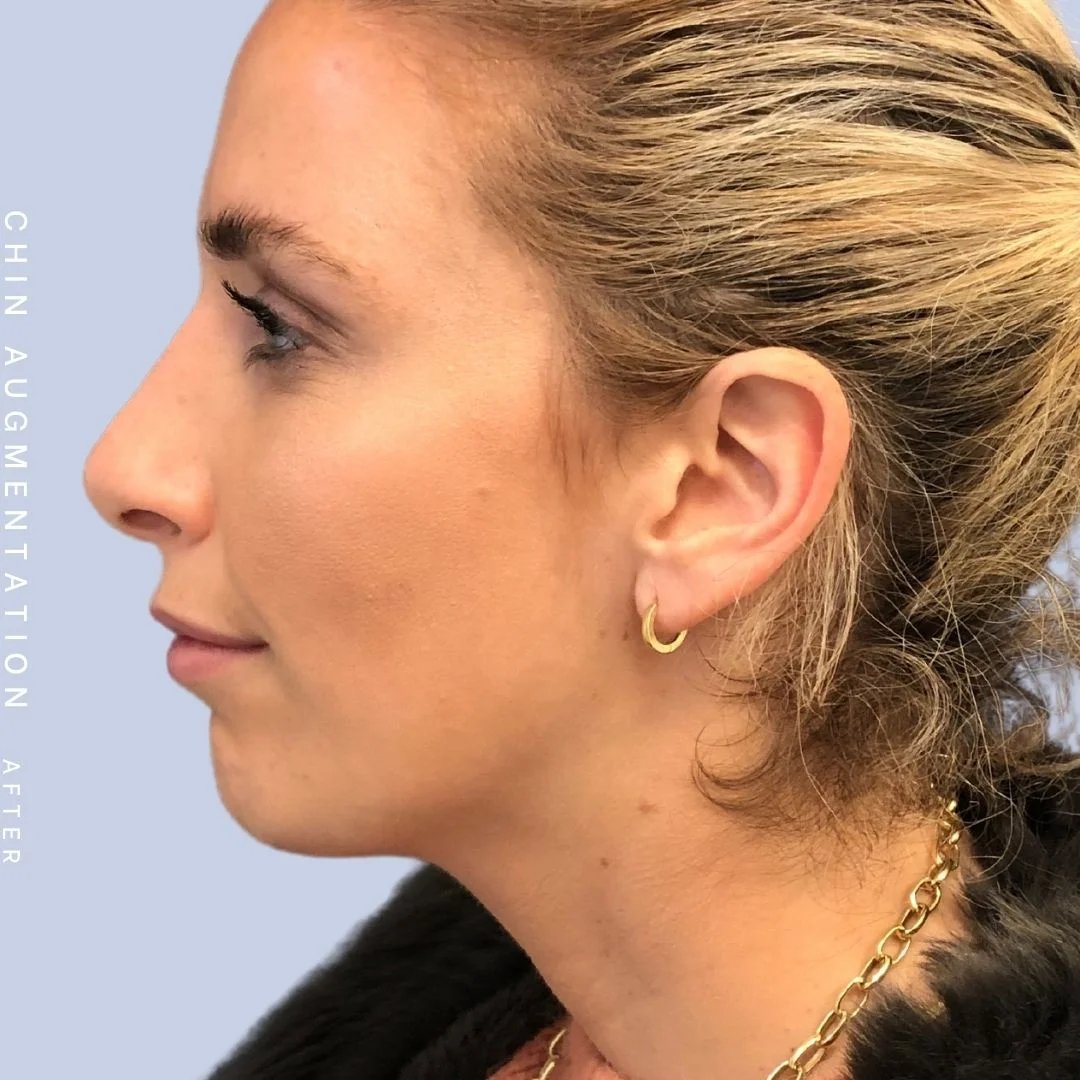



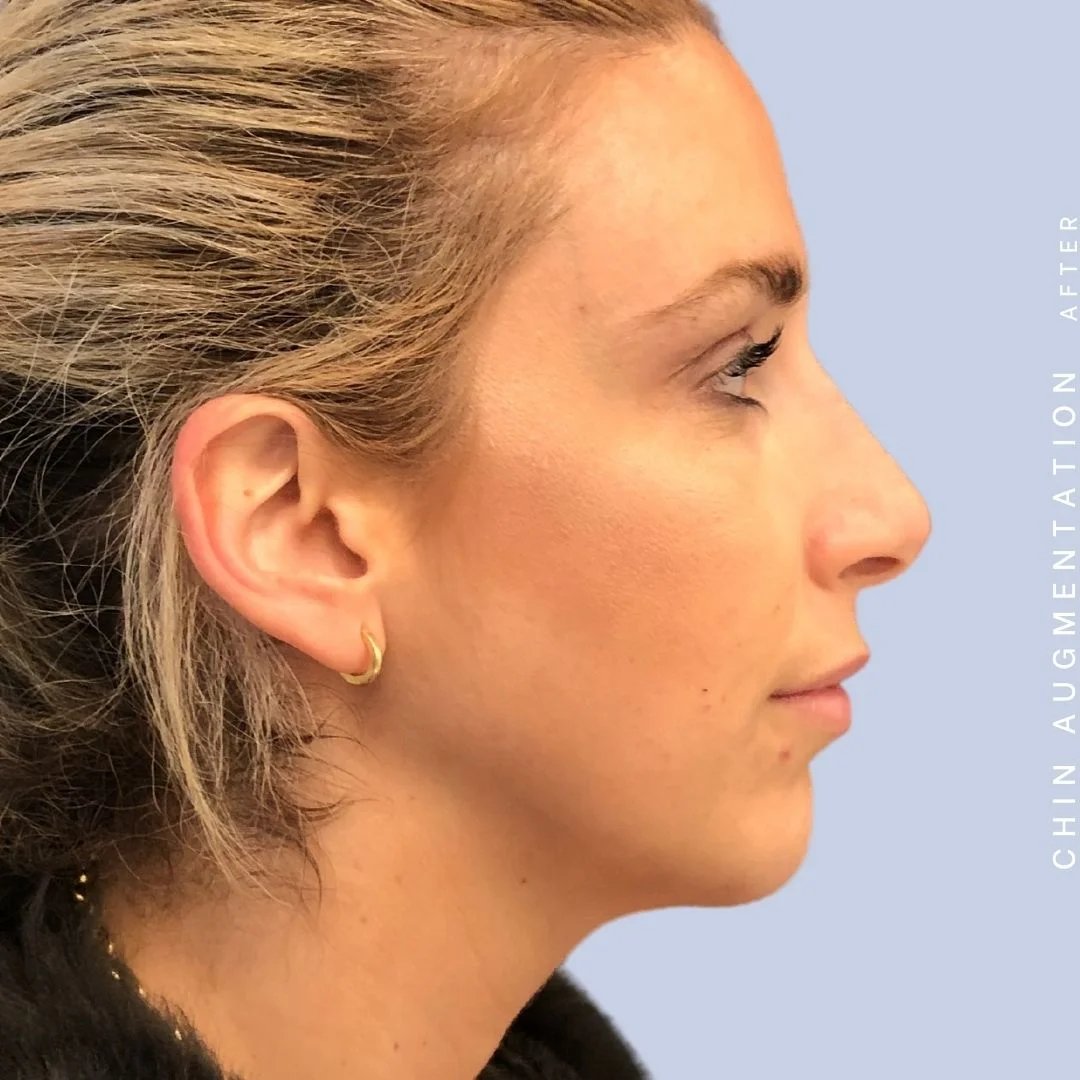
Procedure:
Chin Augmentation
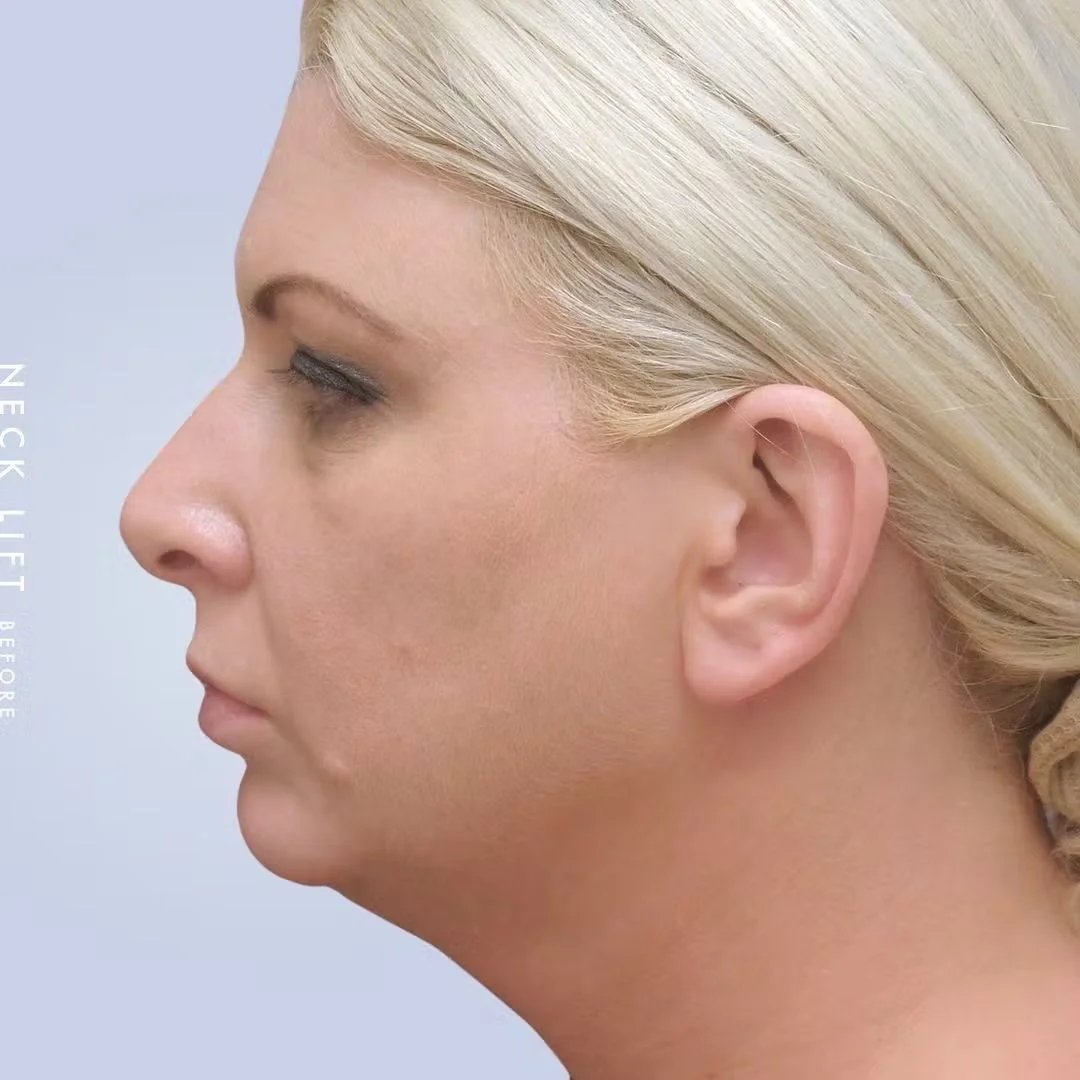
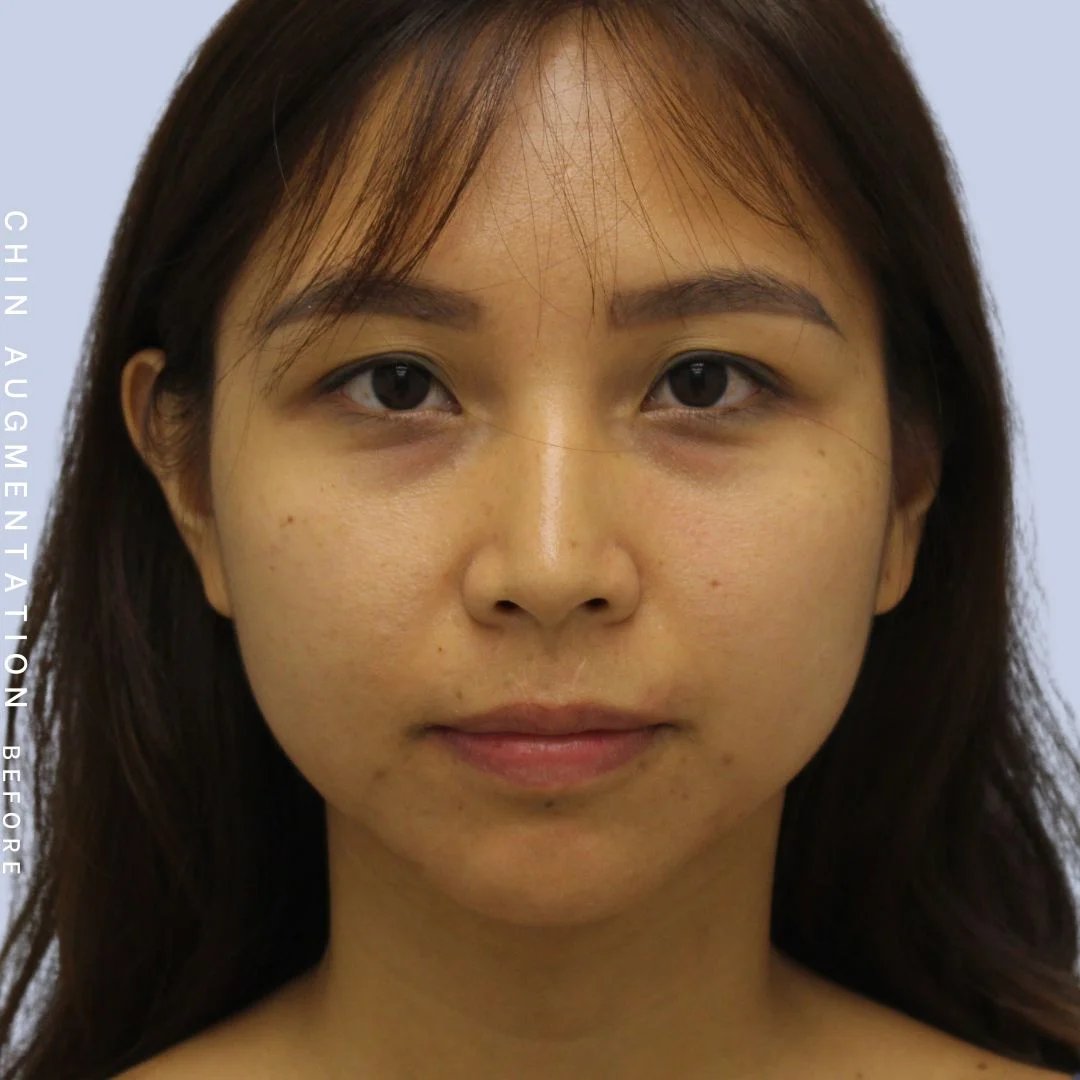
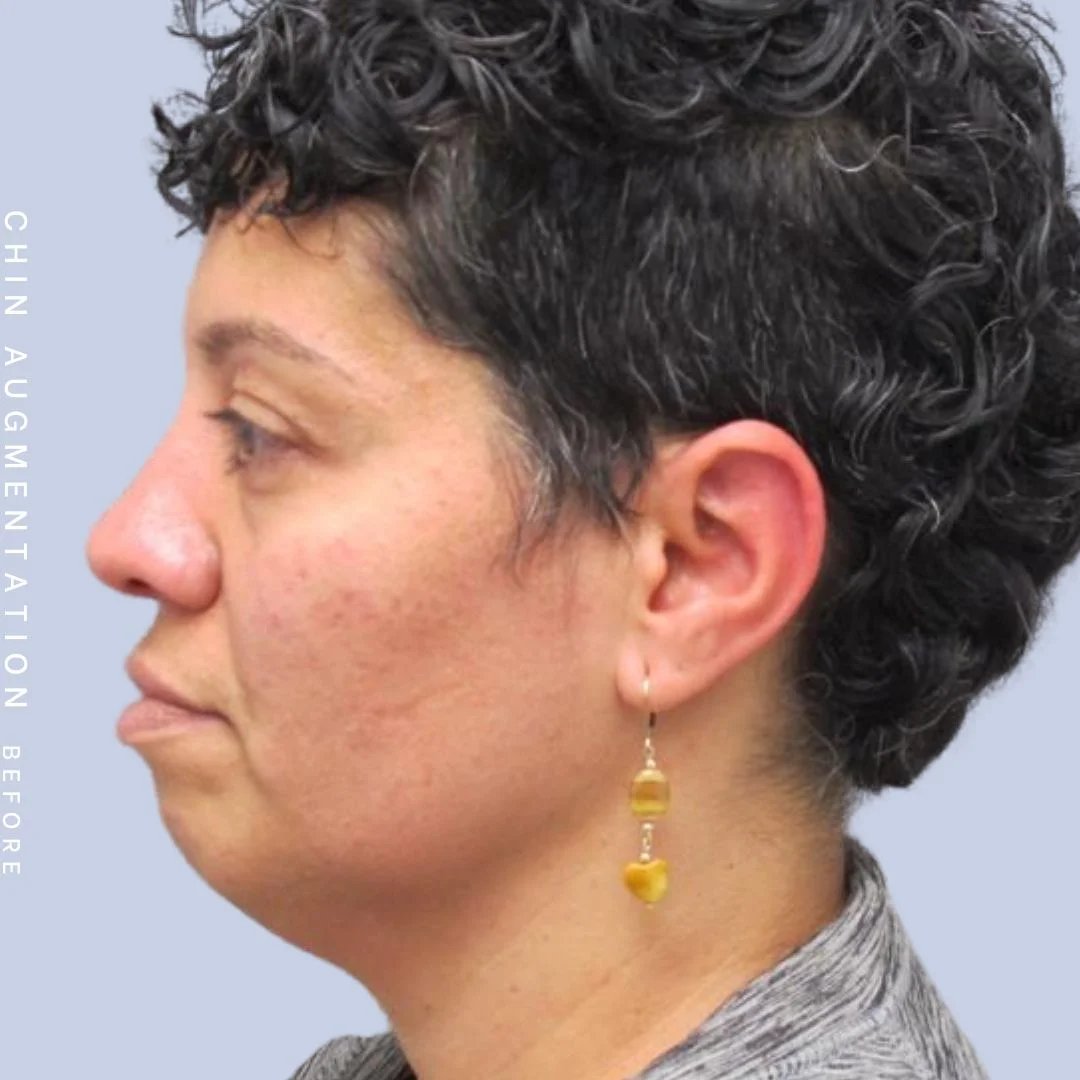
Chin augmentation is often considered alongside other facial procedures because chin projection changes how the rest of the face reads, not just the chin itself. A chin that sits further back than the jaw and neck can make the nose look larger or the neck look fuller than it actually is, simply because of the proportion between them, which is why a modest change in chin projection can shift the perceived balance of an entire profile. Chin implants are selected in a range of sizes and shapes, and placement is planned around the patient's existing jawbone structure and soft tissue thickness rather than a single standard size. Recovery typically involves swelling that's most noticeable in the first one to two weeks, with the final contour becoming clearer as that swelling resolves over the following month or two.
Dr. Hardik Doshi is double board certified by the American Board of Facial Plastic and Reconstructive Surgery and the American Board of Otolaryngology, a certification path that requires written and oral examination for each board separately, along with annual recertification, and he has performed several thousand facial plastic procedures over the course of his practice. That volume of experience factors into how implant size and chin-to-jaw proportion are planned for a given patient's facial structure, since the same implant can read very differently depending on jaw width, neck anatomy, and skin thickness. For patients evaluating whether chin augmentation alone addresses their concern, or whether it's better paired with another facial procedure, that's assessed individually during an in-person consultation rather than from photos alone. More on how implant size and placement are typically planned is on the chin augmentation page.
View Other Patients